Cultivation & Care
Succulents Demystified: Why Your Desert Plants Keep Rotting (And How to Grow Them Right)
Now Playing
Phil Collins - Something happened on the way to heaven?
Headspace
Tough love, coarse grit, and zero drama.
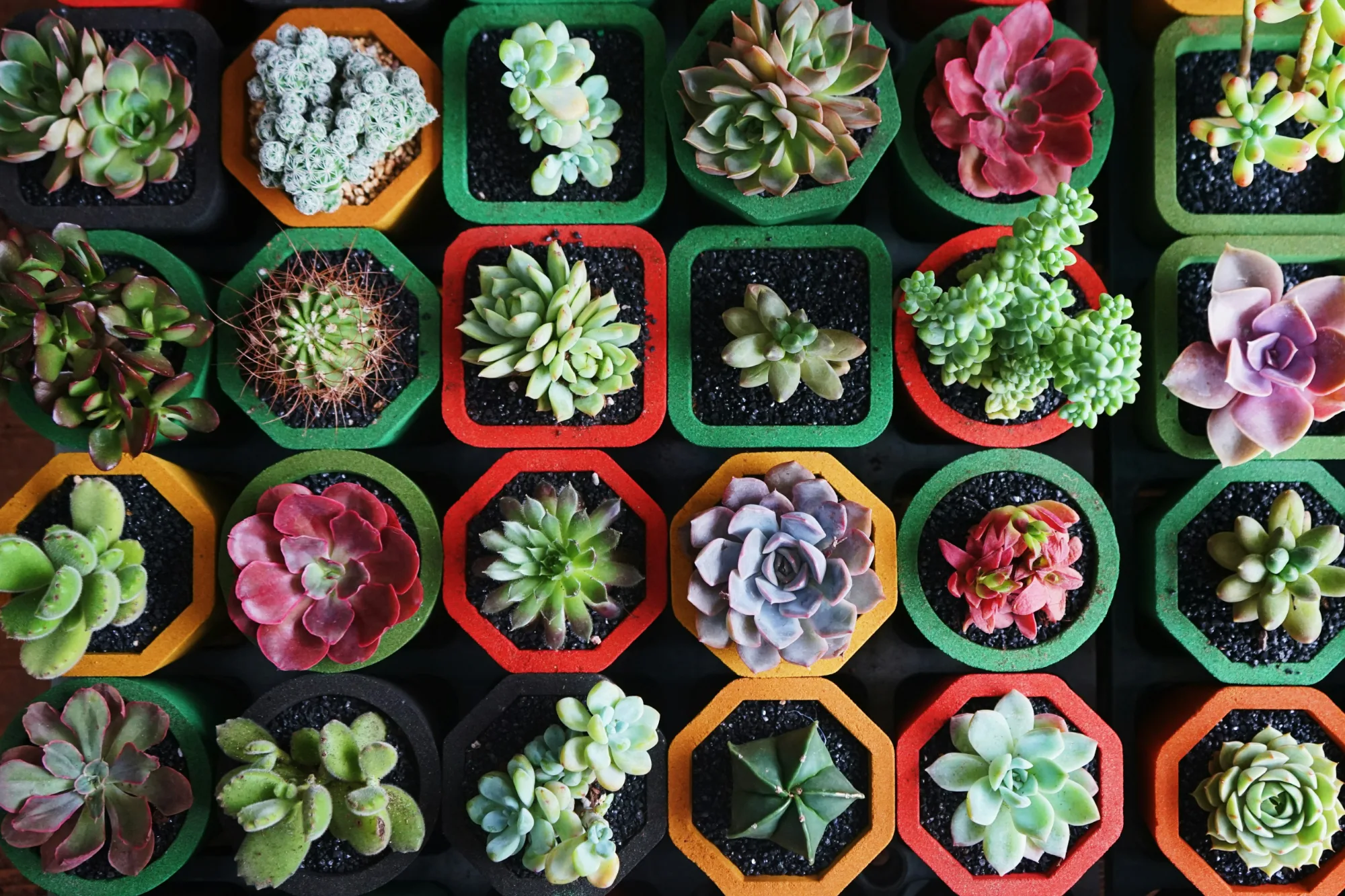
Succulents aren't actually fragile, but they operate under biological rules that completely defy standard tropical houseplant care.
There is a cruel irony built into the marketing of succulents. Walk into any garden centre, and you’ll see them marketed as the ultimate "un-killable" plant for people who forget to water. They look rugged, compact, and practically indestructible.
Then you take one home, place it in a cute decorative pot with standard potting soil, water it every Tuesday out of sheer love, and watch it slowly turn into a translucent, mushy puddle of despair within a month.
You didn't neglect it to death. You loved it to death.
Succulents aren't actually fragile, but they operate under biological rules that completely defy standard tropical houseplant care. If you want them to thrive rather than slowly dissolve, you have to understand how they work from the roots up.
Part 1: The Biology (Why They Behave the Way They Do)
Succulents (which span diverse families like Echeveria, Crassula, Haworthia, and cacti) evolved in arid, drought-prone environments where water is scarce and unpredictable. To survive, they developed specialized water-storage tissue in their leaves, stems, or roots—giving them that plump, fleshy look.
They also use a unique survival mechanism called CAM photosynthesis (Crassulacean Acid Metabolism). While normal plants open their stomata (leaf pores) during the day to take in carbon dioxide—losing precious moisture to evaporation in the process—succulents keep their stomata tightly sealed all day long. They only open them at night to collect carbon dioxide, locking moisture safely inside their cells while the sun is down.
The Takeaway: These plants are engineered by evolution to store water for long dry spells. When you trap them in constantly damp, organic soil indoors, their survival mechanisms short-circuit.
Part 2: The Three Cardinal Sins of Succulent Care
If your indoor succulents are stretching out, dropping lower leaves, or rotting at the base, you are likely committing one of three classic indoor-growing sins:
1. The "Every Tuesday" Watering Habit
Tropical houseplants like a steady, consistent level of moisture. Succulents despise it. Watering a succulent on a fixed calendar schedule is a fast track to root rot.
The Fix: Ignore the calendar entirely. Wait until the soil mix is 100% bone-dry all the way to the bottom of the pot, and then wait a few more days before watering deeply. When you do water, drench the pot completely until water runs out the drainage holes, then let it drain fully.
2. Standard Potting Soil (The Suffocation Trap)
Standard houseplant potting mix is usually packed with peat moss, coconut coir, and compost. It holds onto moisture like a sponge, retaining dampness around the roots for days or weeks. In nature, succulents grow in rocky, sandy, fast-draining earth where water flashes through instantly.
The Fix: Ban standard soil from your succulent collection. You need a gritty substrate heavy on inorganic amendments—such as perlite, horticultural grit, pumice, surface, and small orchid bark—so oxygen can reach the roots and water can escape immediately.
3. Indoor Low-Light Deprivation
People often stick succulents on a dark bookshelf or a dim corner table because they are small. Without intense, direct light, succulents will experience etiolation—stretching desperately toward the nearest window, turning pale, weak, and leggy as they try to find the sun they were promised.
The Fix: Give them your brightest south-facing or west-facing windowsill. If natural light is lacking, supplement with a dedicated grow light.
Part 3: The Gritty Substrate Rulebook
If you want to make succulent keeping virtually fool-proof, the secret weapon isn't your watering can—it's your soil mix.
When water flows through a proper gritty mix, it should feel like pouring water through a funnel. If water sits pooled on top of the soil for more than five seconds, your mix is too dense, and your roots are at risk.
The Verdict
Succulents aren't difficult; they're just uncompromising. They don't want your daily attention, your organic peat soil, or your cosy, dim corners. They want bright light, gritty earth, and long periods of total neglect between deep drinks. Give them an arid ecosystem in miniature, and they will reward you with tight rosettes, vibrant colours, and zero drama for years to come.