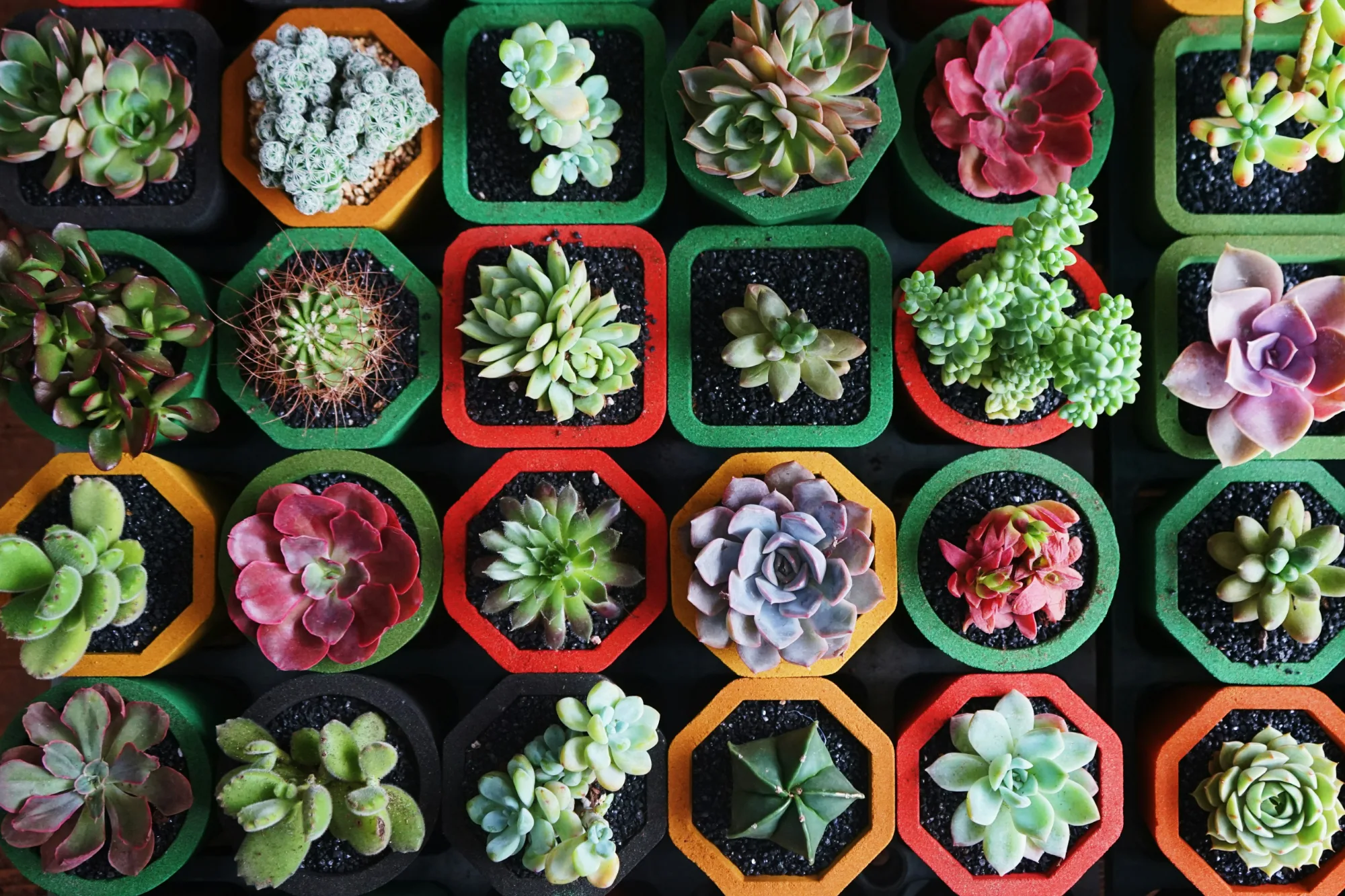
Succulents Demystified: Why Your Desert Plants Keep Rotting (And How to Grow Them Right)
Succulents aren't actually fragile, but they operate under biological rules that completely defy standard tropical houseplant care.
Read Article
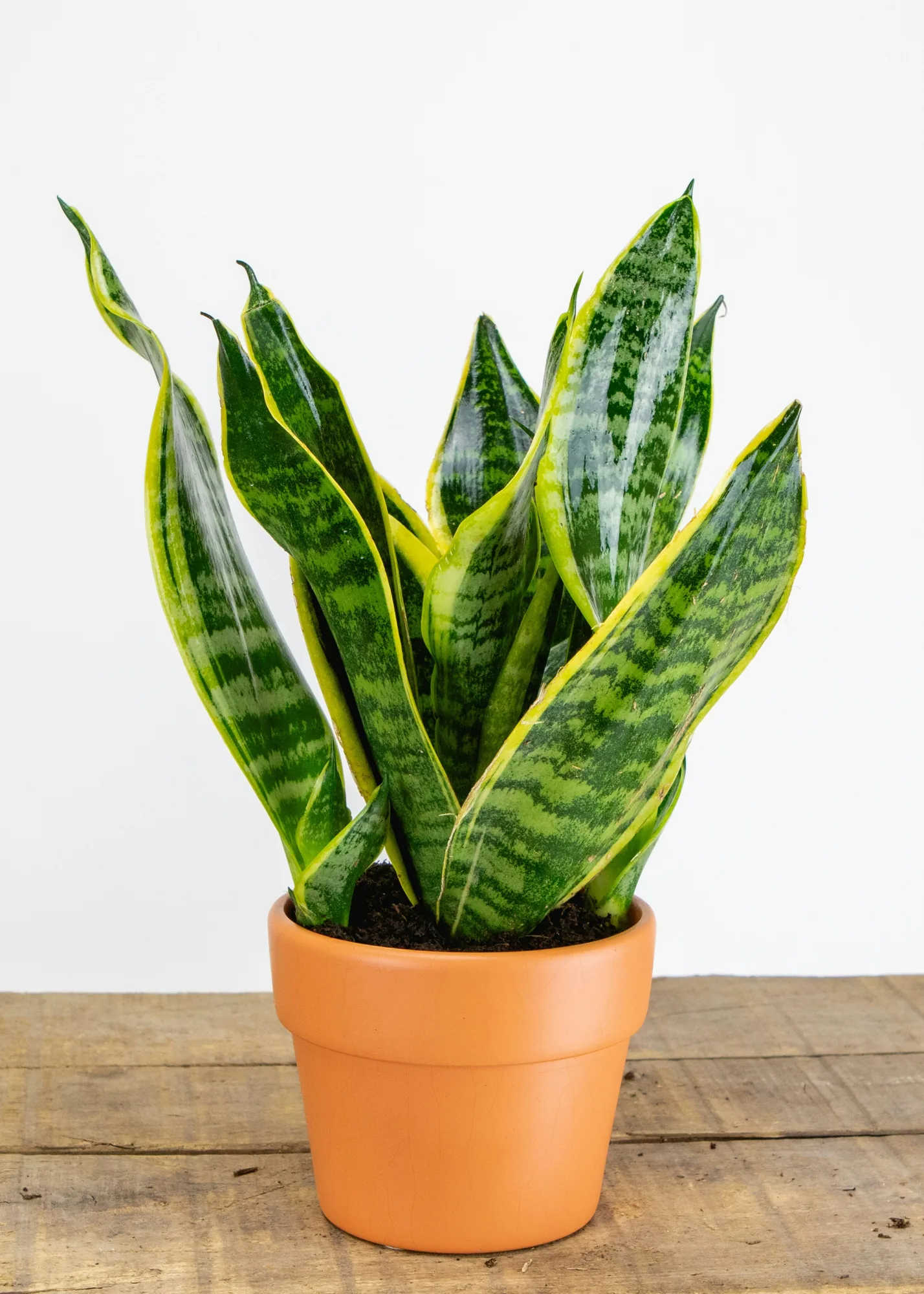
Sansevieria trifasciata (recently reclassified under Dracaena trifasciata)
Family · Asparagaceae
Also known as · Mother-In-Law's Tongue
This Sansevieria holds a foundational spot in the collection, given to me by my mum as her contribution to my growing setup. It became the blueprint and anchor for every other snake plant variety I've added since. True to the plant's quiet resilience, I've kept the original mother plant completely untouched—never removing a single leaf or altering its structure—allowing it to grow and stand exactly as it was when it was first handed over.
Famous for its upright, sword-like foliage and exceptional resilience, Sansevieria trifasciata is an architectural powerhouse native to the arid regions of tropical West Africa. Built to survive prolonged droughts and intense heat using thick, moisture-storing rhizomes and CAM photosynthesis, it stands as the ultimate test of restraint for indoor growers. It thrives on benign neglect and minimal intervention, tolerating low-light corners while maintaining a clean, sculptural silhouette.
Allow the soil to go completely bone dry all the way to the bottom of the pot before watering thoroughly. Overwatering is the single greatest threat to a Sansevieria; damp, heavy soil quickly rots the rhizomatous root system. During autumn and winter, watering can be stretched out to once every 6 to 8 weeks with ease.
2 parts cactus and succulent compost, 2 parts coarse perlite or pumice, and 1 part horticultural grit. A ruthlessly fast-draining substrate that mimics arid conditions and prevents any lingering moisture around the base.
Thrives across a wide spectrum of light conditions, from bright indirect sun to dim office corners. While it adapts to lower light, moderate to bright indirect light helps maintain crisp variegation and encourages steady upward growth. Keep out of freezing drafts or sustained sub-zero temperatures near poorly insulated UK windows during winter.
Grows in tight, upright clusters reaching anywhere from 40cm to over 1 metre tall depending on the cultivar. Prefers a snug, slightly crowded pot—their strong rhizomes are famously capable of cracking thin plastic nursery pots if allowed to expand unchecked.
2022
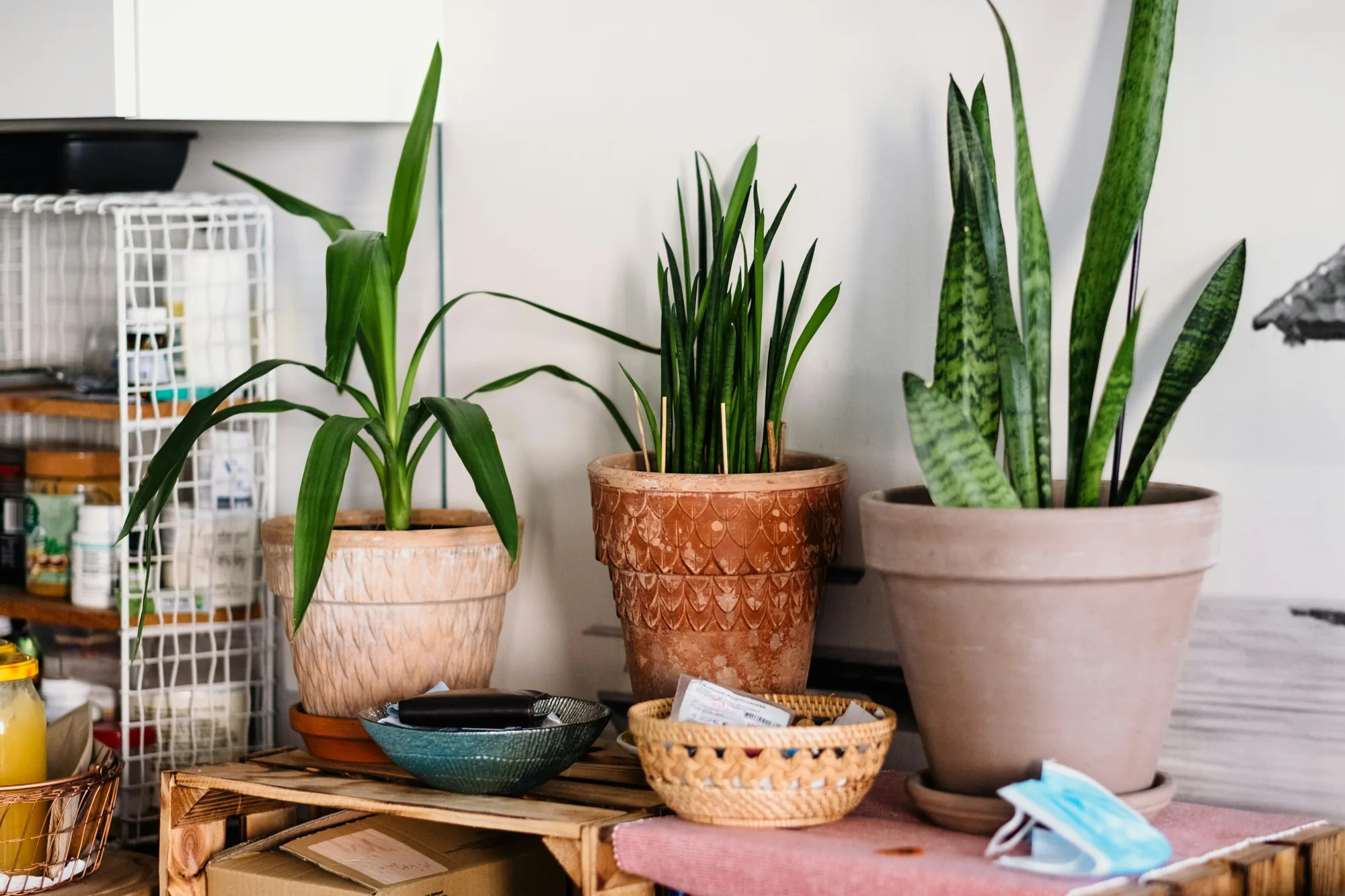
The first of the snake plants, the Mother-In-Laws Tongue have been added to my collection.
Swipe through the log →
From the Journal

Succulents aren't actually fragile, but they operate under biological rules that completely defy standard tropical houseplant care.
Read Article
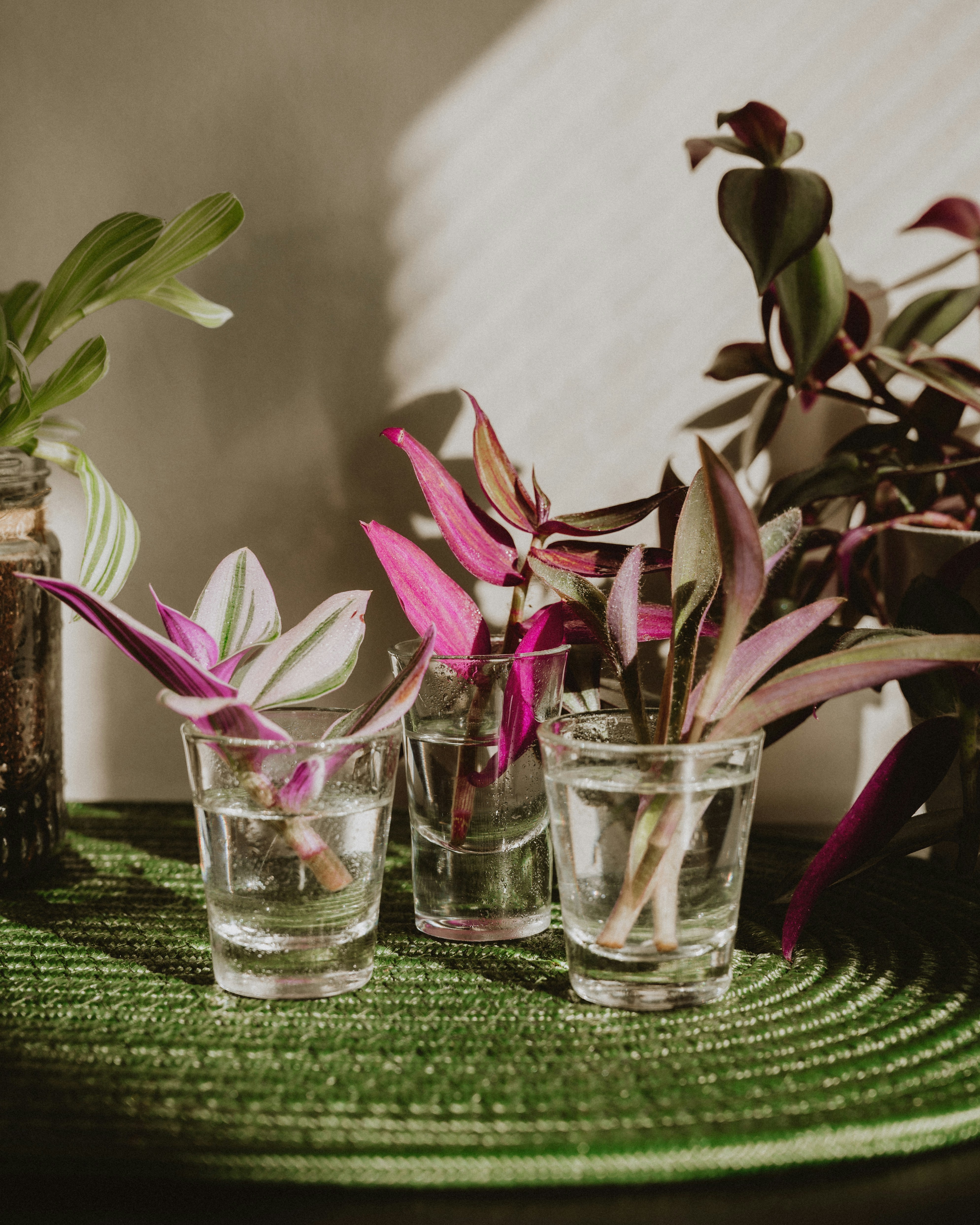
Whether you are looking for striking, upright sword-like foliage that tolerates neglect or elegant woody canes that anchor a bright corner, these plants are the ultimate definition of bulletproof botanical style.
Read Article
Recovery isn’t a straight line, and it certainly isn’t comfortable. Real emotional rebuilding starts when you stop running from the wreckage and sit down in the middle of it to take an honest inventory.
Read Article
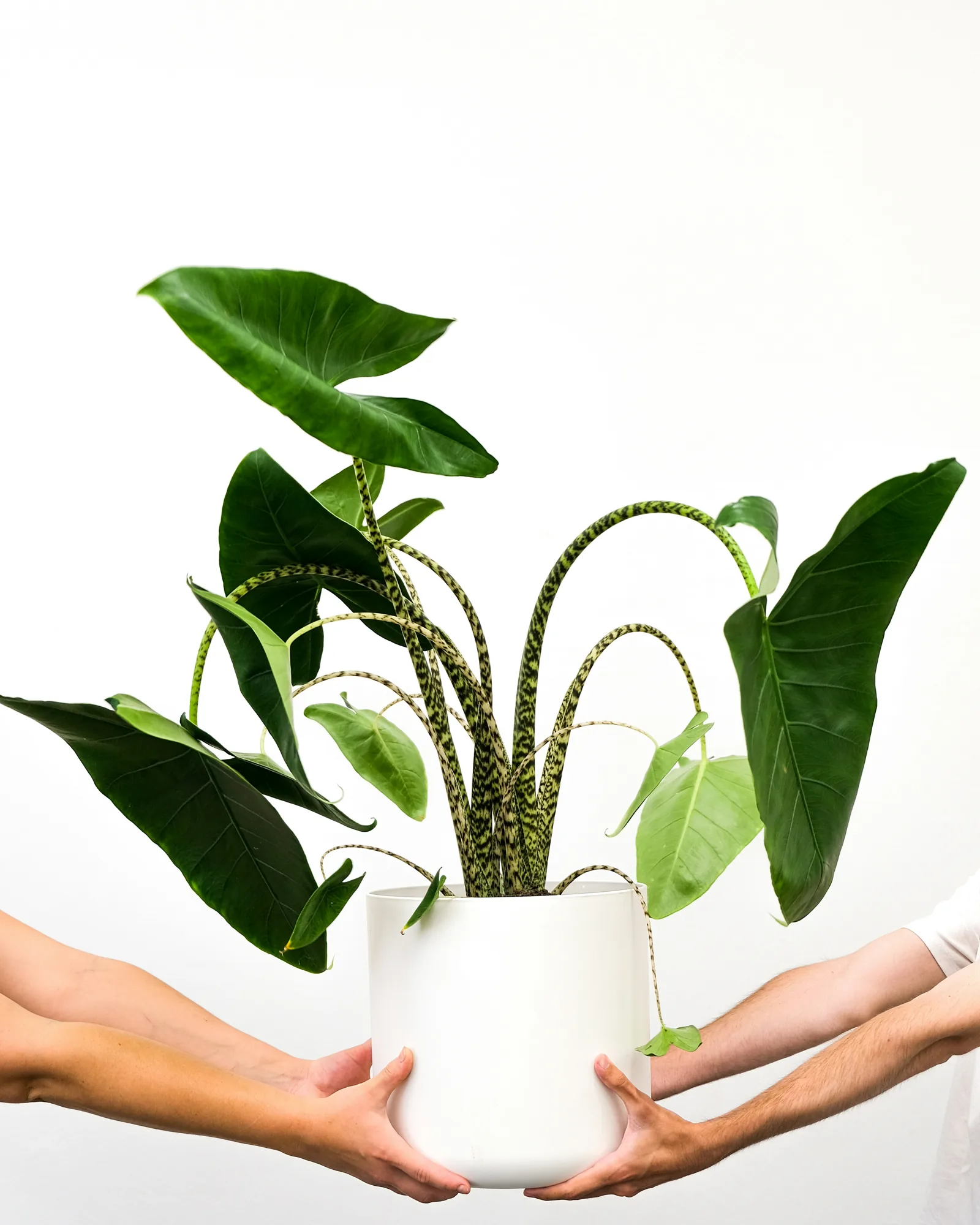
If you’ve ever tried to grow an Alocasia from a corm, you know it looks like nothing at first. It is a tiny, hard brown node sitting in damp moss or substrate. There are no leaves, no visible stems, and no guarantee of speed. If you try to rush it, you rot it. The only way forward is to set up optimal conditions, warmth, humidity, stability, and step back.
Read Article