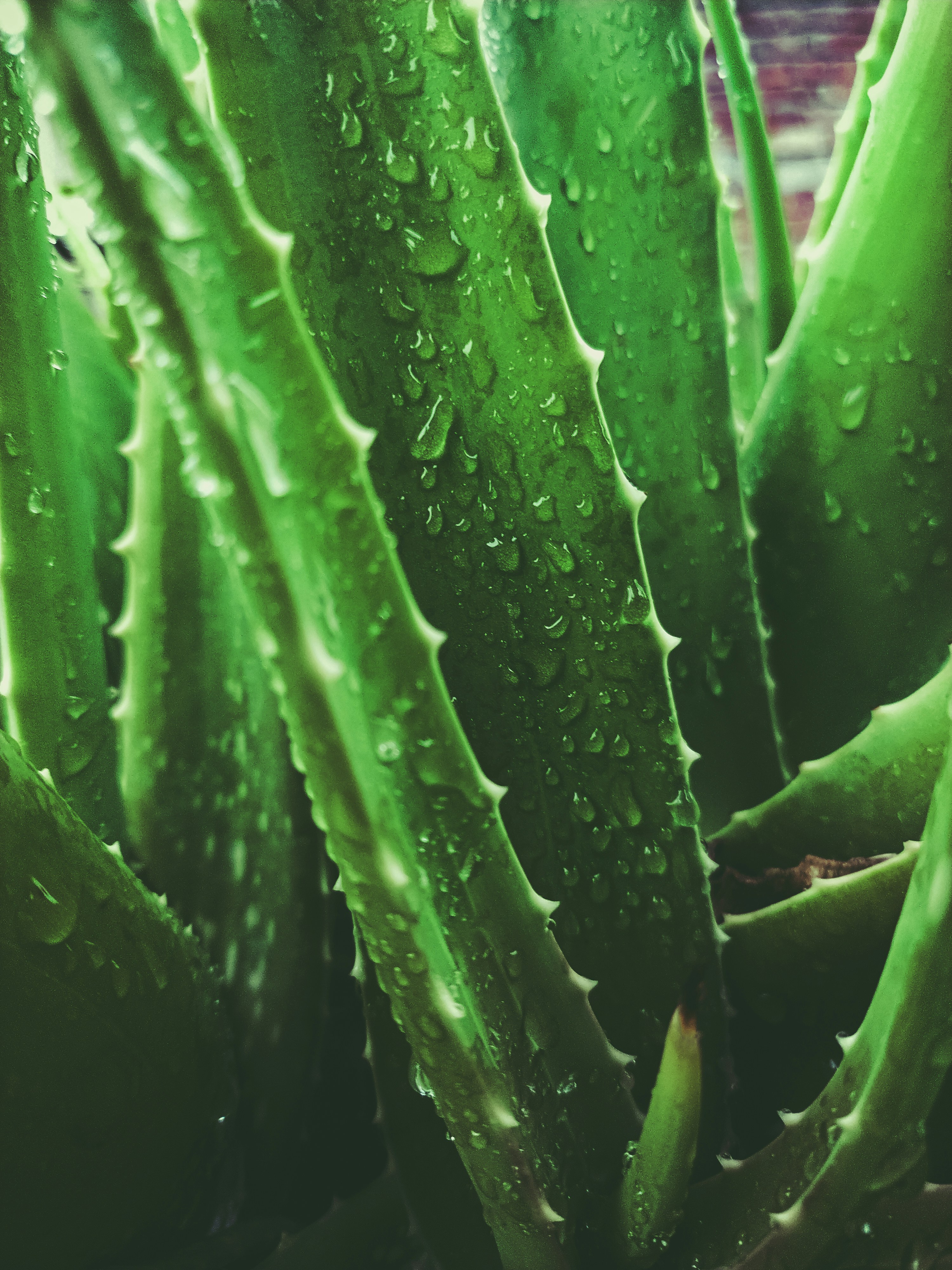
Aloe Vera
Aloe Barbadensis Miller
Family · Asphodelaceae
One of the earlier plants within the collection, these often came from supermarkets before I had the confidence to shop at the local garden centres. I have nothing but positive opinions about these plants, owing to the accessible nature of providing for these.
- Light
- Direct Sun
- Water
- Allow to Dry Completely
- Soil Mix
- Gritty / Succulent Mix
- Pot Type/Size
- 8" Plastic Pot In a Decorative Pot
- Acquired Date
- 2022
Care & Environment
Renowned for its therapeutic sap and plump, spiky architecture, Aloe Vera is an exceptionally self-sufficient succulent. Native to arid tropical regions, it stores massive reserves of water within its gel-filled leaves to survive months of intense drought. Indoors, it thrives on bright sunlight and deliberate neglect, making it one of the most low-maintenance additions to a sunlit room.
Watering Routine
Soak thoroughly, then allow the pot to dry out completely. Check the substrate deep into the pot, during spring and summer, water roughly every 3–4 weeks when the soil is bone-dry and the leaves feel slightly yielding. In Scottish winters, suspend watering almost entirely, giving only a sparse sip every 6–8 weeks to keep the roots alive. Always avoid letting water pool in the central leaf joints, this helps avoid crown rot.
Soil Blend Recipe
2 parts coarse horticultural grit or pumice, 1 part sharp sand, and 1 part peat-free compost. Sharp, mineral-heavy drainage is critical to prevent base dampness and root rot.
Light & Micro-Location Details
Requires strong, direct light to maintain a tight, upright habit and robust leaf structure. Place directly on a south- or west-facing windowsill. In lower light, the long fleshy leaves will stretch out, become pale, and sag under their own weight.
Dimensions & Potting Specs
Grows 30cm–50cm tall with a spreading rosette. Potted ideally in a heavy, shallow unglazed terracotta vessel to counterbalance top-heavy leaves and promote quick soil evaporation.
Growth Timeline & Milestones
2020
One of the earlier plants in the collection, I added this from Supermarket purchase.
2022
My first attempt at separating pups resulted in two thriving Aloe Vera plants.
2024
As part of a trio of mature succulents, I gained a third aloe vera, which was more robust in nature than the two previous ones.
Swipe through the log →
Bi-Directional Journal
Field Notes & Essays Featuring This Plant
No essays reference Aloe Vera yet — its record here is the beginning of the log. New field notes linked to this specimen will appear in this section.
Browse all field notes