Cultivation & Care
Poinsettias: How to Avoid Festive Cheer Becoming the January Blues (And What to Grow Instead)
Now Playing
Sam Ryder - You're Christmas To Me
Headspace
Pragmatic realism with a healthy streak of anti-gimmick rebellion
Even if you manage to keep them alive past January, getting them to "re-bloom" next Christmas is a masterclass in botanical bureaucracy.
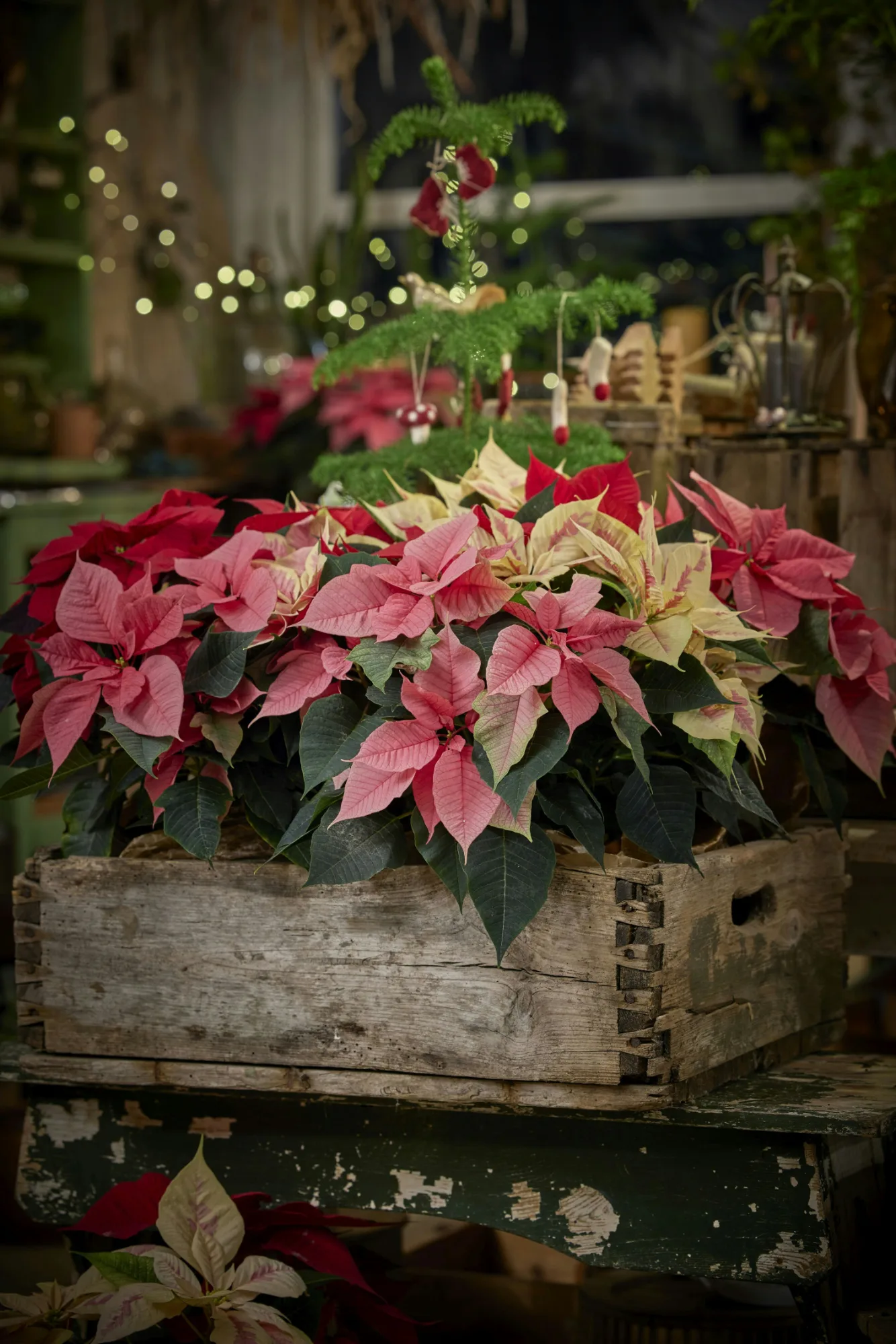
Every December, they sit by the supermarket checkout lines: brilliant, velvety pools of crimson and pink, practically begging to come home and participate in your holiday decorating. They look festive, they look lush, and they cost about the same as a takeaway coffee.
Then January rolls around.
The vibrant red bracts begin to shed like autumn leaves. The stems turn lanky and pale. By February, you are left staring at a sad, sticky green stalk that looks nothing like the cheerful centrepiece you bought two months ago. It’s the annual poinsettia heartbreak.
Why does this happen, and more importantly, is it worth trying to save them—or is there a better way to bring lasting colour into your home?
Part 1: Why Poinsettias Are So Frustrating
To understand why poinsettias usually end up in the compost bin by winter's end, you have to look at what they actually are: tropical short-day shrubs native to Central America.
In their natural habitat, they grow into woody bushes under intense, unfiltered light. When we bring them into our homes in December, we are subjecting them to draughty hallways, low winter light, and radical temperature fluctuations next to radiators.
Even if you manage to keep them alive past January, getting them to "re-bloom" next Christmas is a masterclass in botanical bureaucracy. Poinsettias require absolute, uninterrupted darkness for 12 to 14 hours every single night starting in October just to trigger the coloration of their bracts. Miss a single night by turning on a hallway light, and the cycle resets. For most of us, that isn't a houseplant hobby; it's a part-time job.
Part 2: The Recovery Route (If You Insist on Saving It)
If you are determined to nurse your holiday poinsettia through the year rather than treating it as seasonal décor, you have to treat it like a serious woody perennial:
- The Hard Prune (Spring): Once the bracts drop and the stems look leggy in early spring, cut the plant back hard, leaving about 4 to 6 inches of stem above the soil line with a few visible buds. It will look like a stick in a pot, but this forces branching.
- Repotting: Move it up slightly into a fresh, well-draining substrate mix. Poinsettias hate sitting in stagnant, waterlogged soil.
- Summer Sun: Move it outside once all risk of frost has passed. Give it as much bright, indirect-to-direct sun as possible to build up energy for the winter.
- The Dark-Room Routine: Come autumn, prepare yourself for the rigorous blackout schedule if you want those red leaves back by December.
Part 3: The Permanent Upgrade (Year-Round Alternatives)
If the idea of turning your living room into a darkroom sounds exhausting, the smarter move is to shift your mindset from disposable holiday decorations to permanent botanical investments.
If you love the impact of a poinsettia—rich textures, bold winter colours, and dramatic foliage—try swapping them out for plants that deliver 365 days of visual interest without the seasonal disappointment:
1. For Velvety Texture and Rich Tones: Rex Begonias
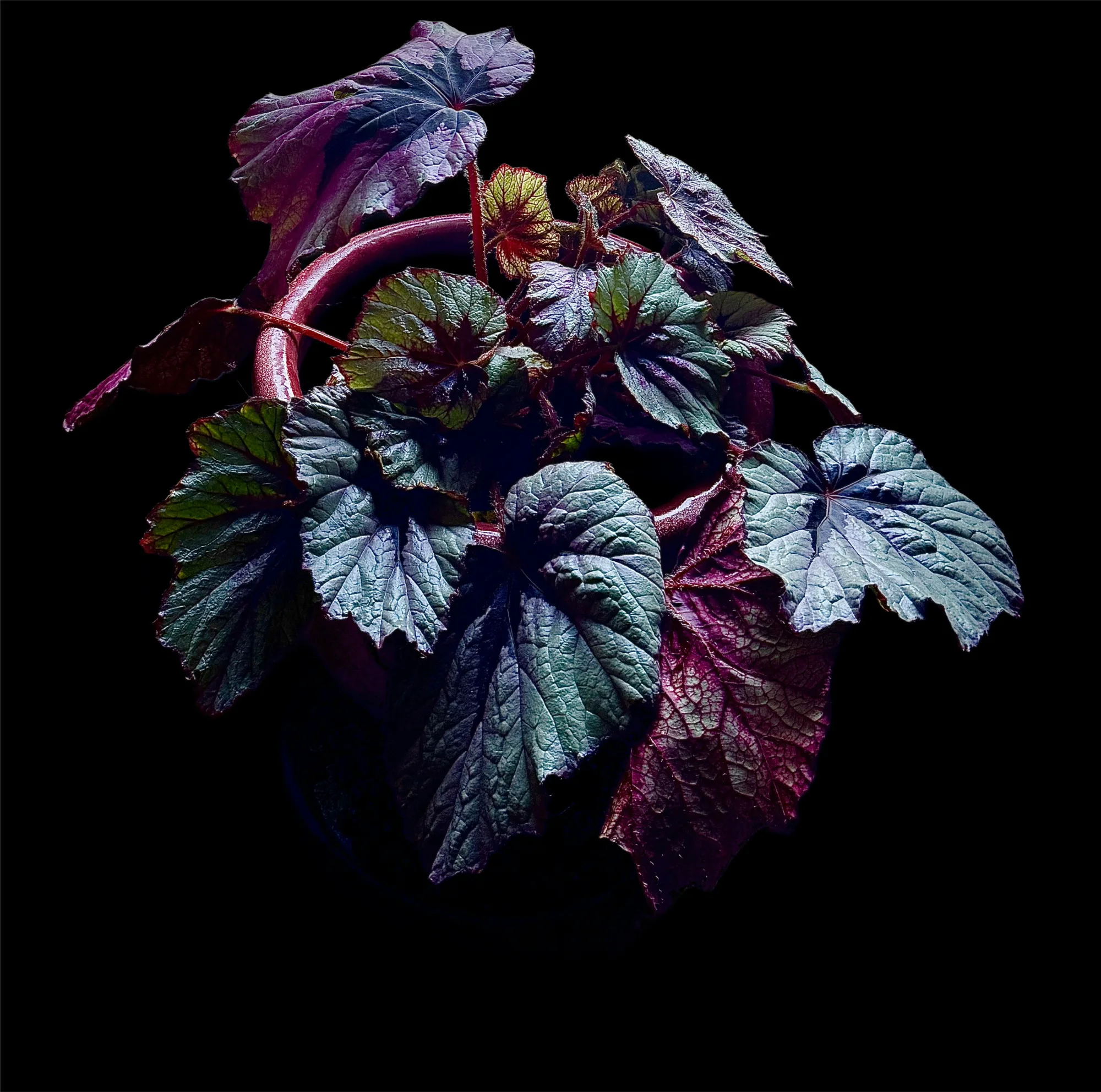
Rex begonias come in astonishing metallic pinks, deep purples, silvers, and rich burgundies with asymmetrical, velvety leaves. They provide that same luxurious, tactile feel as a poinsettia bract, but look phenomenal on a shelf every single month of the year.
2. For Bold, Permanent Red & Pink Foliage: Cordyline fruticosa (Ti Plant)
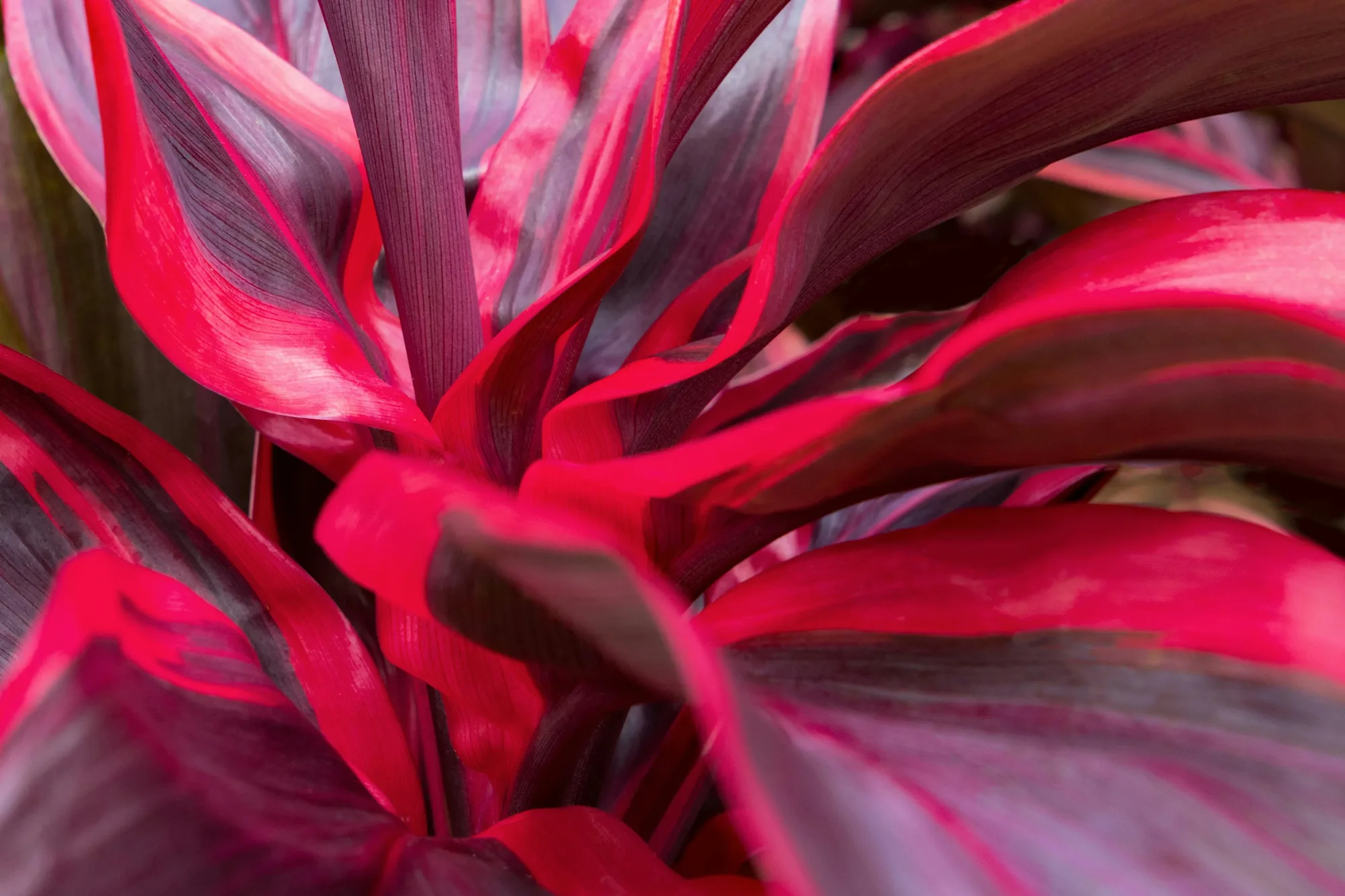
Upright, dramatic, and intensely vibrant ruby-red leaves that provide massive tropical impact in a bright living room all year round. They don't rely on day-length cycles to hold their colour; they just look striking 24/7.
3. For Speckled Colour: Hypoestes phyllostachya (Polka Dot Plant)
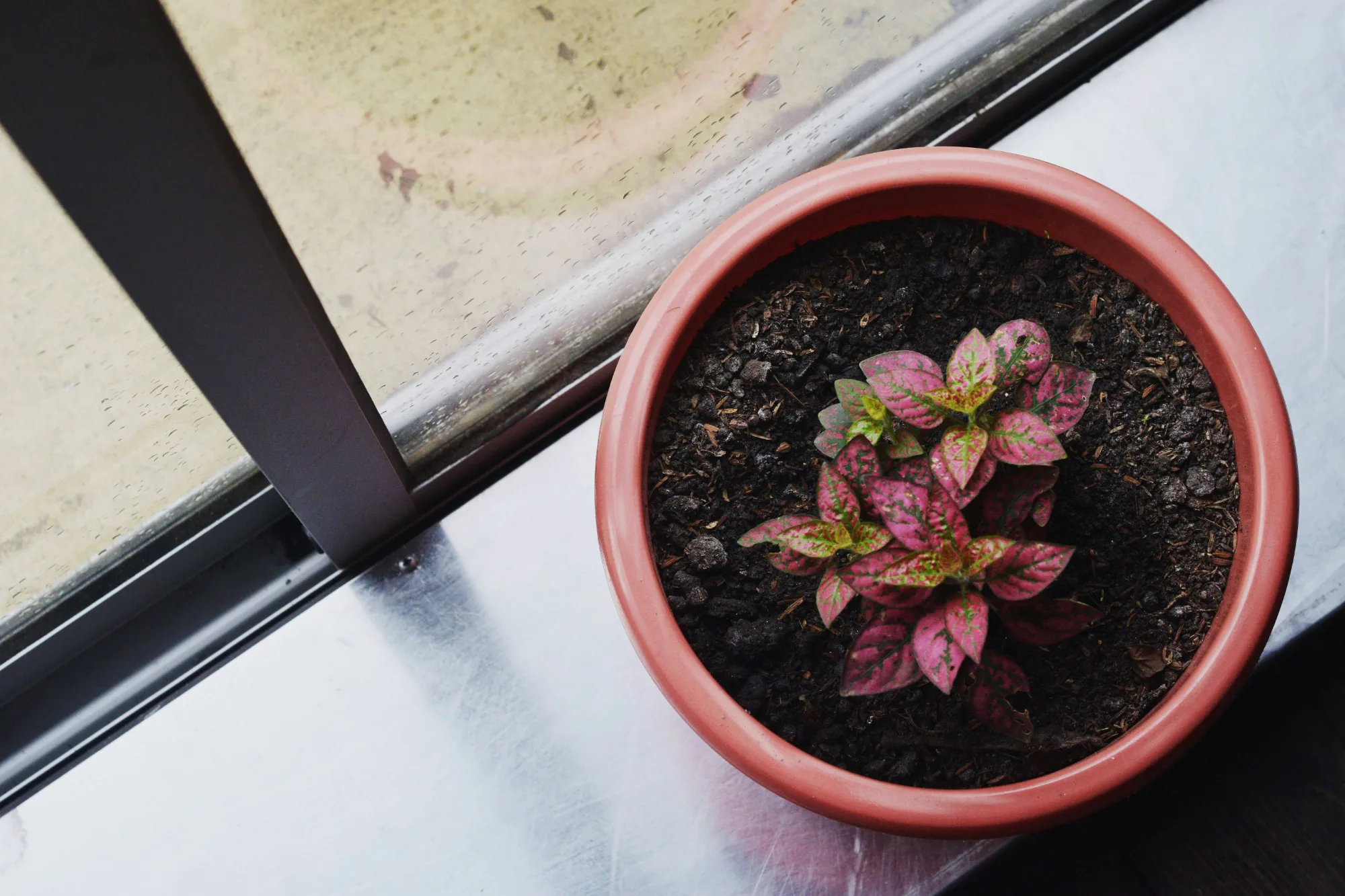
If you love the speckled, festive look of variegated leaves, polka dot plants offer intense pink and red foliage that can be easily kept compact and bushy with regular pinching.
The Verdict
Poinsettias are wonderful as a fleeting, inexpensive holiday tradition—as long as you accept them for what they are: botanical cut flowers with roots. But if you want a home that feels vibrant, green, and alive all year without the annual guilt trip, trade the festive impulse-buy for a permanent specimen that actually earns its keep on your shelf.