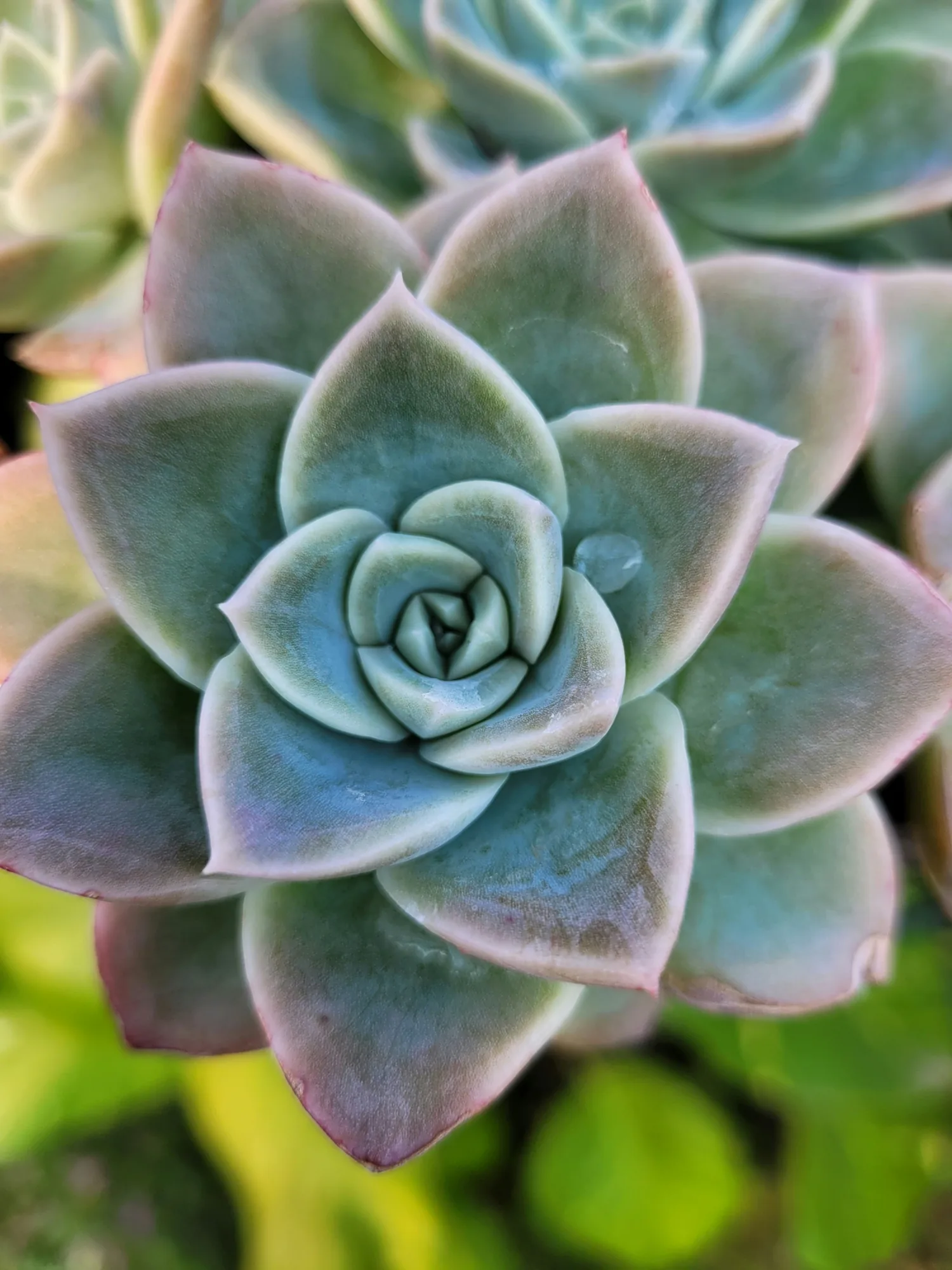
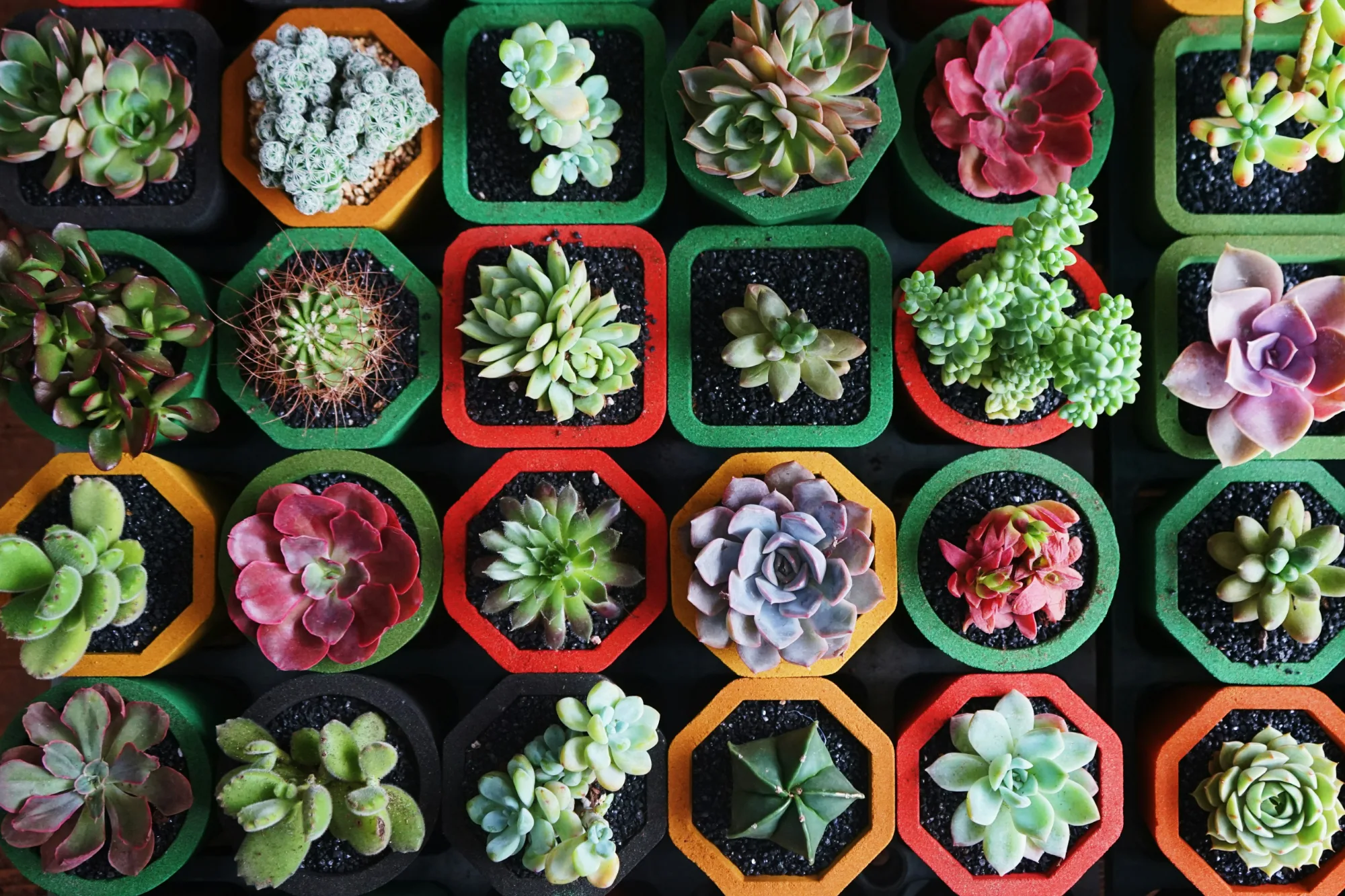
Succulents Demystified: Why Your Desert Plants Keep Rotting (And How to Grow Them Right)
Succulents aren't actually fragile, but they operate under biological rules that completely defy standard tropical houseplant care.
Read Article
Echeveria
Family · Crassulaceae
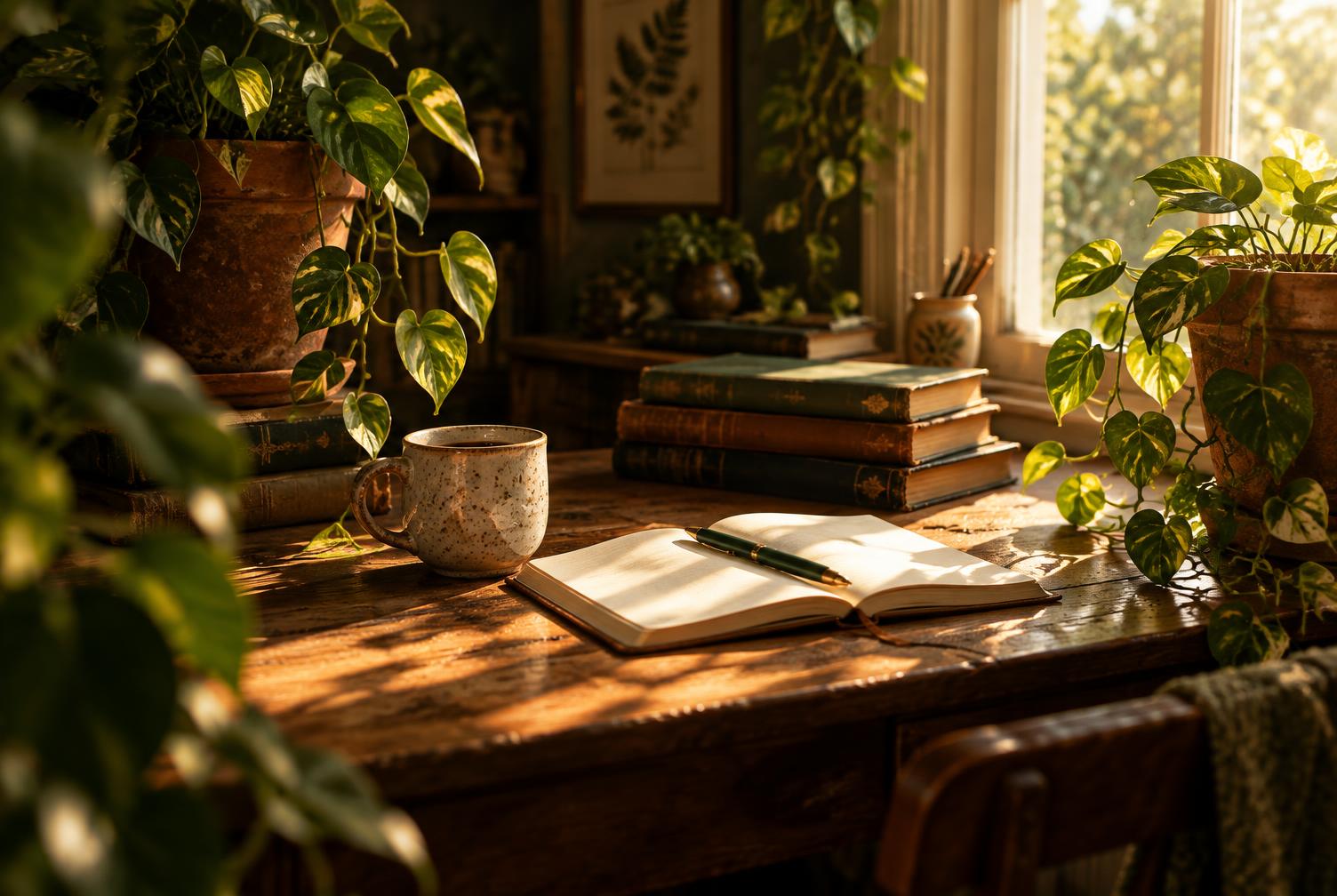
Echeverias were an early staple in my collection—approachable, accessible, and striking in their geometry and colour. Succulents are often the best gateway into plant care because they reward restraint. As long as you err on the side of underwatering and give them a sun-drenched windowsill, they tend to thrive on minimal intervention. The echeverias on my shelves have proven that lesson time and again.
Echeveria care is defined less by routine and more by constraint. Looking at where these plants originate for, they are exposed to long bout of harsh sun and minimal rainfall, so saturating the soil of these plants will exposure them to root rot and pests. Replicating this native environment indoors means resisting the urge to overwater while making sure to maximise exposure to bright, unfiltered light. Left to dry completely between deep waterings, they hold their colour, maintain their architecture, and thrive on quiet non-intervention.
Echeverias thrive on controlled neglect. Its recommended to water these plants deeply until the water drains from the bottom, then leave it alone until the soil is completely bone dry. As any lying water on the leaves will inevitably lead to crown rot, potentially killing plant, I prefer to bottom water or soak these plants, making sure to drain away any standing water at the bottom of the plant pot. A good way to help manage the health of this plant is by checking the feel of the leaves. A feeling of soft or wrinkly leaves means its time for a soak. This is a trick can also works will with other succulents and Aloe's.
2 parts coarse horticultural grit or pumice, 1 part sharp sand, and 1 part peat-free compost. Highly inorganic, sharp, and free-draining to mimic semi-arid rock soils.
I personally have a mix of different products I've used with them, from dedicated Cacti and Succulents mix, to a homemade well draining gritty mix, as above.
Echeverias require Bright, Unfiltered Light to hold their tight, geometric rosette shape and to bring out the most vibrant pigments in their leaves. It is recommended to place these on a bright south or west facing windowsill as close to the glass as you can.
Roughly 10cm–15cm tall with a rosette spread of 12cm–15cm across. Must be potted in unglazed terracotta (12cm) to allow the root zone to breathe and dry out rapidly. I personally have had success with these in unglazed bonsai bowls.
2020
Echeverias begin the collection, before it was ever really a collection. Various different plants have come and gone, from cheap supermarket pups in novelty plant pots, to more developed plants in ornamental plant pots.
Swipe through the log →
From the Journal

Succulents aren't actually fragile, but they operate under biological rules that completely defy standard tropical houseplant care.
Read Article
When you set out a tray of succulent leaves to callus over, you are making a conscious choice to focus on next month, next season, and the growth that hasn't shown up above the soil line yet.
Read Article
Bringing nature indoors became more than a hobby—it became a living escape.
Read Article