Back to Collection
Gasteria — Gasteria

Gasteria

Gasteria

Family · Asphodelaceae

Also known as · Cow's Tongue, Ox Tongue

ThrivingLiving Room

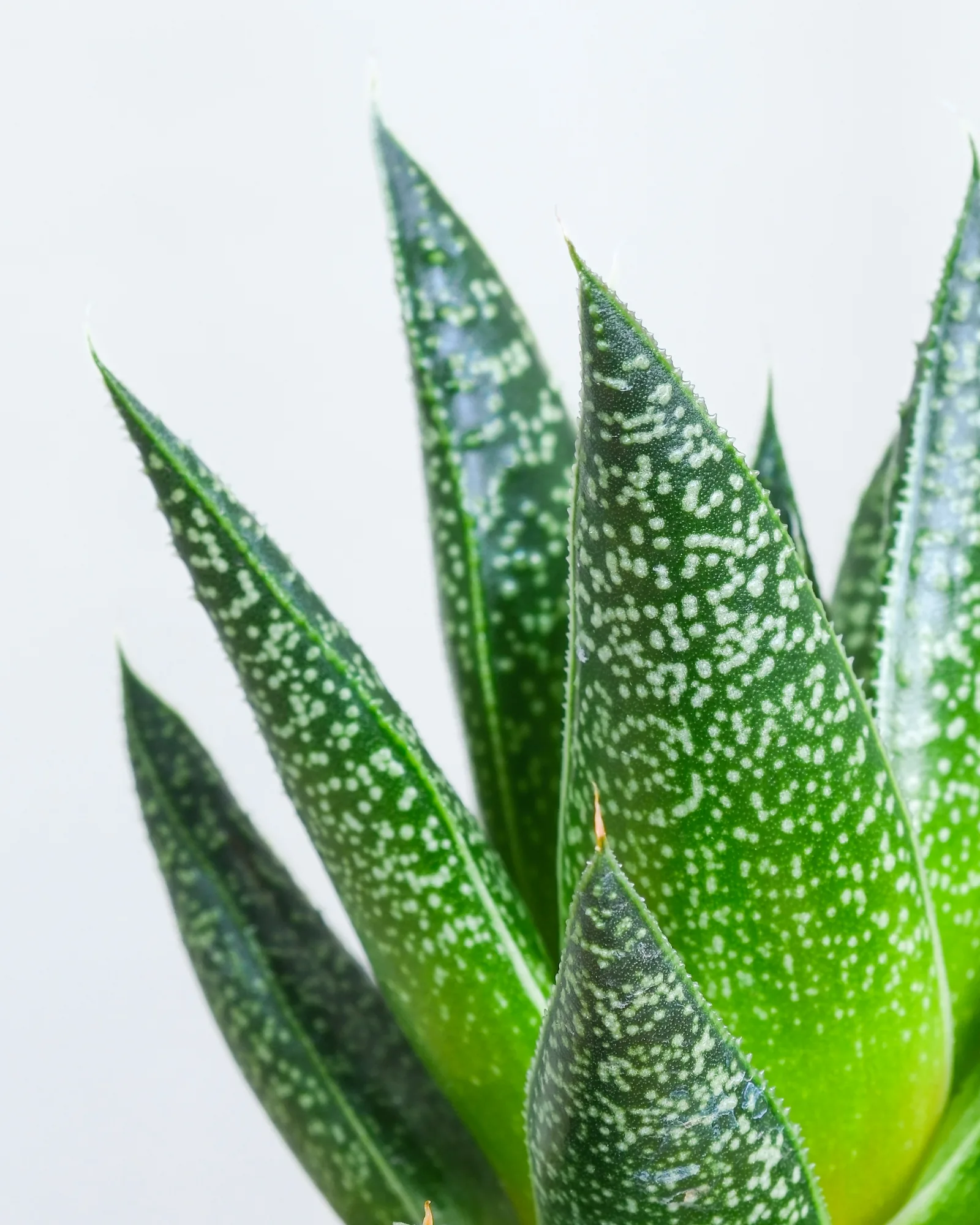
The Gasteria is an exercise in quiet resilience and understated pattern. With its uniquely textured foliage and relaxed growth pace, it asks for very little beyond a sensible watering discipline and a gentle, bright spot on the shelf. It rewards patience with a steady, enduring presence that feels right at home among a serious collection.

Plant Type
Succulents
Light
Bright Indirect
Water
Allow to Dry Completely
Soil Mix
Gritty / Succulent Mix
Pot Type/Size
Various
Acquired Date
2022

Personal Note

Personal note on Gasteria

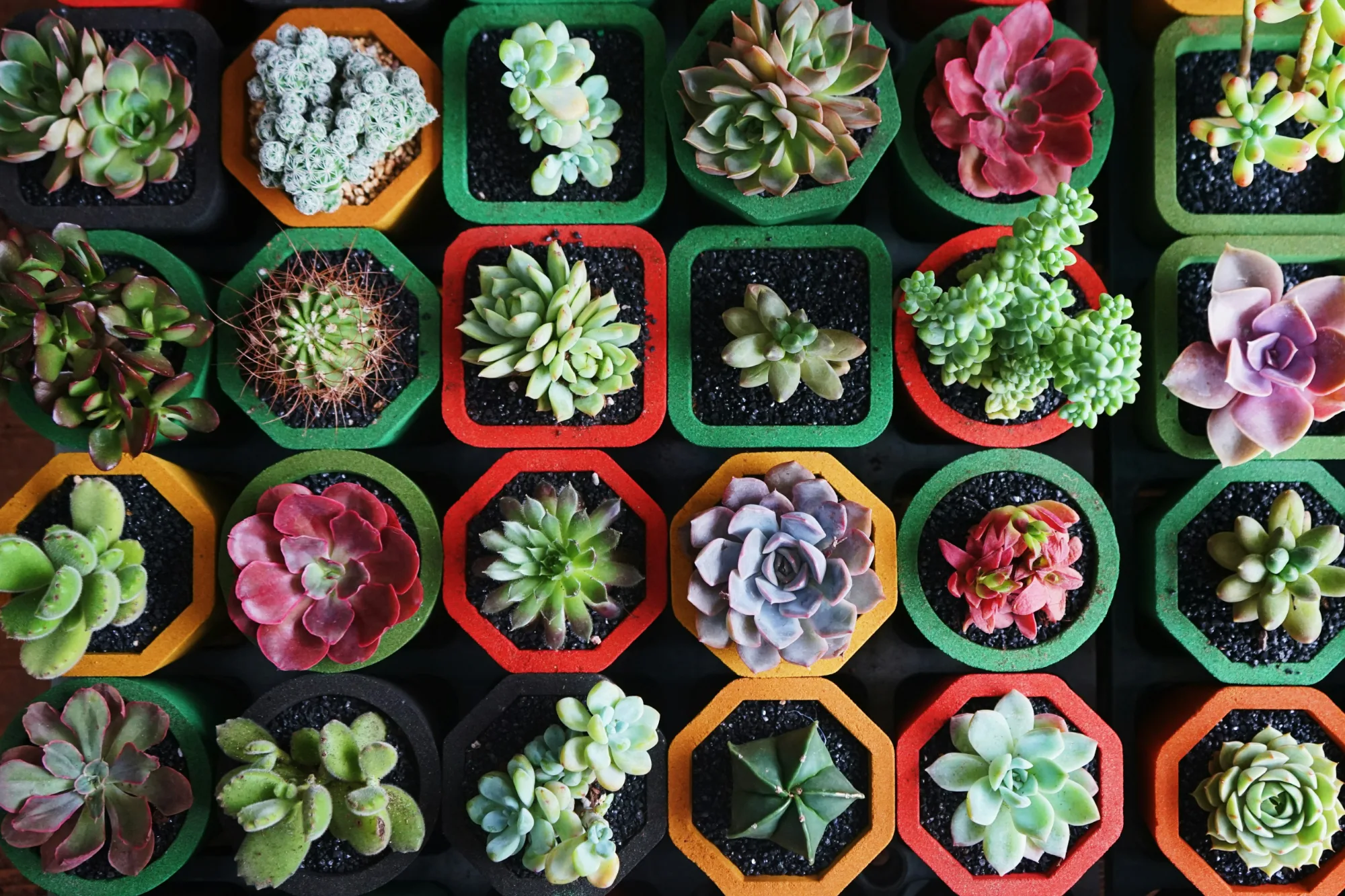
The Gasteria occupies a brilliant middle ground in the collection. With their uniquely textured, tongue-like leaves, they provide a striking textural contrast that breaks up the uniformity of standard rosettes. Over time, I’ve used them both as subtle anchors to add real diversity to mixed succulent bowls and as larger, standalone statement pieces in their own right. They never look out of place; instead, they add a quiet variety that complements the wider succulent selection effortlessly.

Care & Environment

Native to the rocky, arid, and often shaded micro-climates of South Africa, Gasteria is a slow-growing succulent renowned for its thick, tongue-shaped, succulent leaves adorned with intricate patterns of spots, tubercles, or stripes. Built to thrive under the dappled canopy of scrubby bushes rather than baking, unbroken desert sun, it stores moisture efficiently in its fleshy foliage. It is a wonderfully forgiving, architectural genus that brings a distinct texture and understated elegance to any indoor collection.

  • Watering Routine

    Allow the potting medium to go completely bone dry all the way to the bottom before giving it a thorough watering. Like its close relatives the Haworthias, Gasterias have thick, fleshy root systems that are highly susceptible to rot if left sitting in damp soil. During the darker, cooler winter months in the UK, water sparingly—often just once every 4 to 6 weeks.

  • Soil Blend Recipe

    2 parts cactus and succulent compost, 2 parts coarse perlite or pumice, and 1 part horticultural grit. A heavily aerated, fast-draining substrate that ensures absolute zero standing water around the root ball.

  • Light & Micro-Location Details

    Thrives best in bright, indirect light. Because of its natural forest-floor and rock-crevice origins, harsh, direct afternoon sun can easily scorch its leaves and bleach their dark, patterned coloration. An east-facing windowsill or a bright spot pulled slightly away from a south-facing glass provides the ideal balance.

  • Dimensions & Potting Specs

    Stays relatively compact, typically ranging from 10cm to 30cm depending on the specific variety, growing in a neat, distichous (two-ranked) or rosetted fan. Prefers a shallow, snug pot that accommodates its root system without holding excess, unused moisture.

Growth Timeline & Milestones

  1. 2022

    The Gasteria joins the collection.

Swipe through the log →

From the Journal

Journal Entries Featuring This Plant

  • Succulents Demystified: Why Your Desert Plants Keep Rotting (And How to Grow Them Right)
    13th November 20268 min read

    Succulents Demystified: Why Your Desert Plants Keep Rotting (And How to Grow Them Right)

    Succulents aren't actually fragile, but they operate under biological rules that completely defy standard tropical houseplant care.

    Read Article