Back to Collection
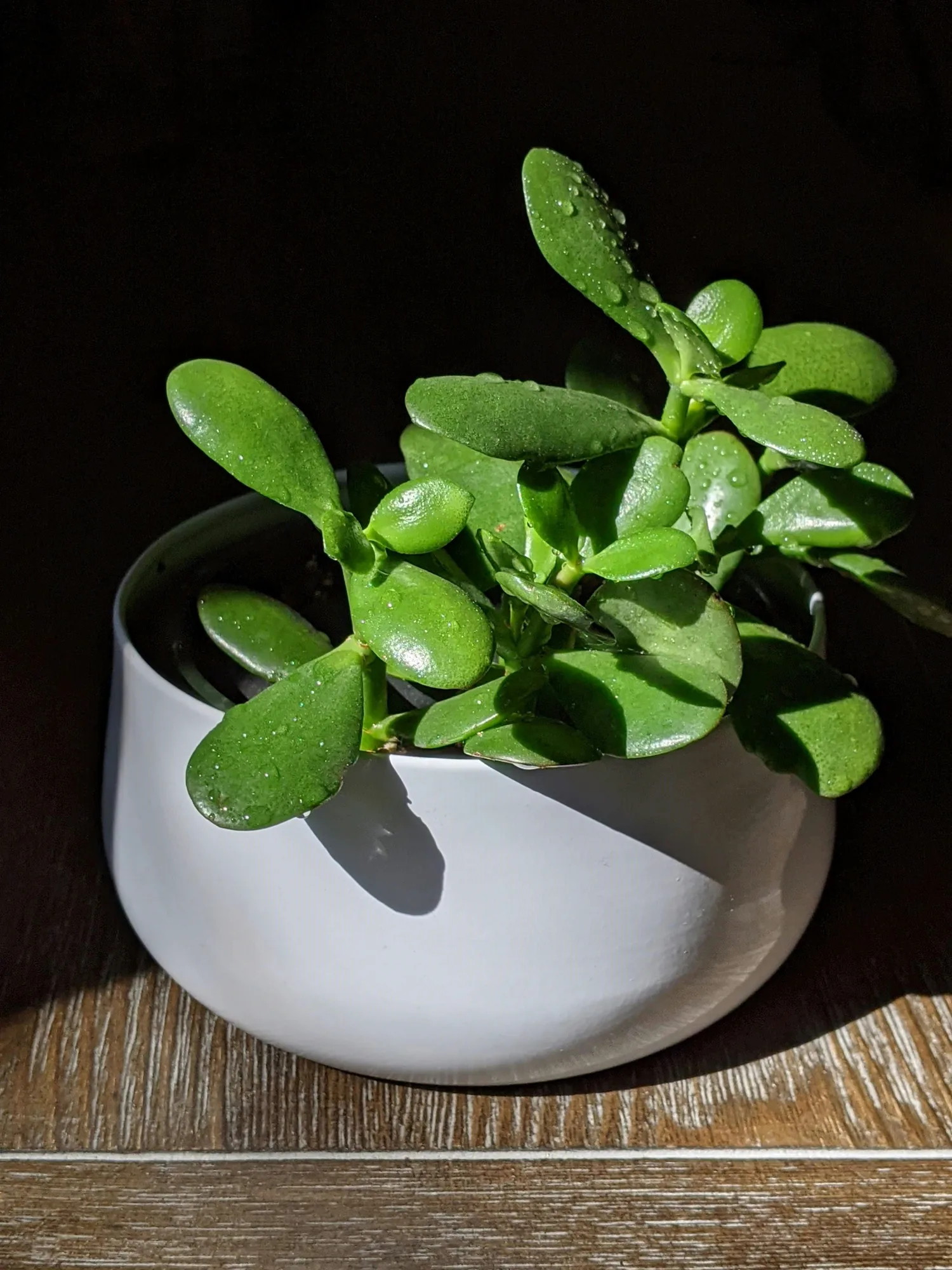
Jade Plant — Crassula Ovata

Jade Plant

Crassula Ovata

Family · Crassulaceae

Also known as · Money Tree

ThrivingLiving Room

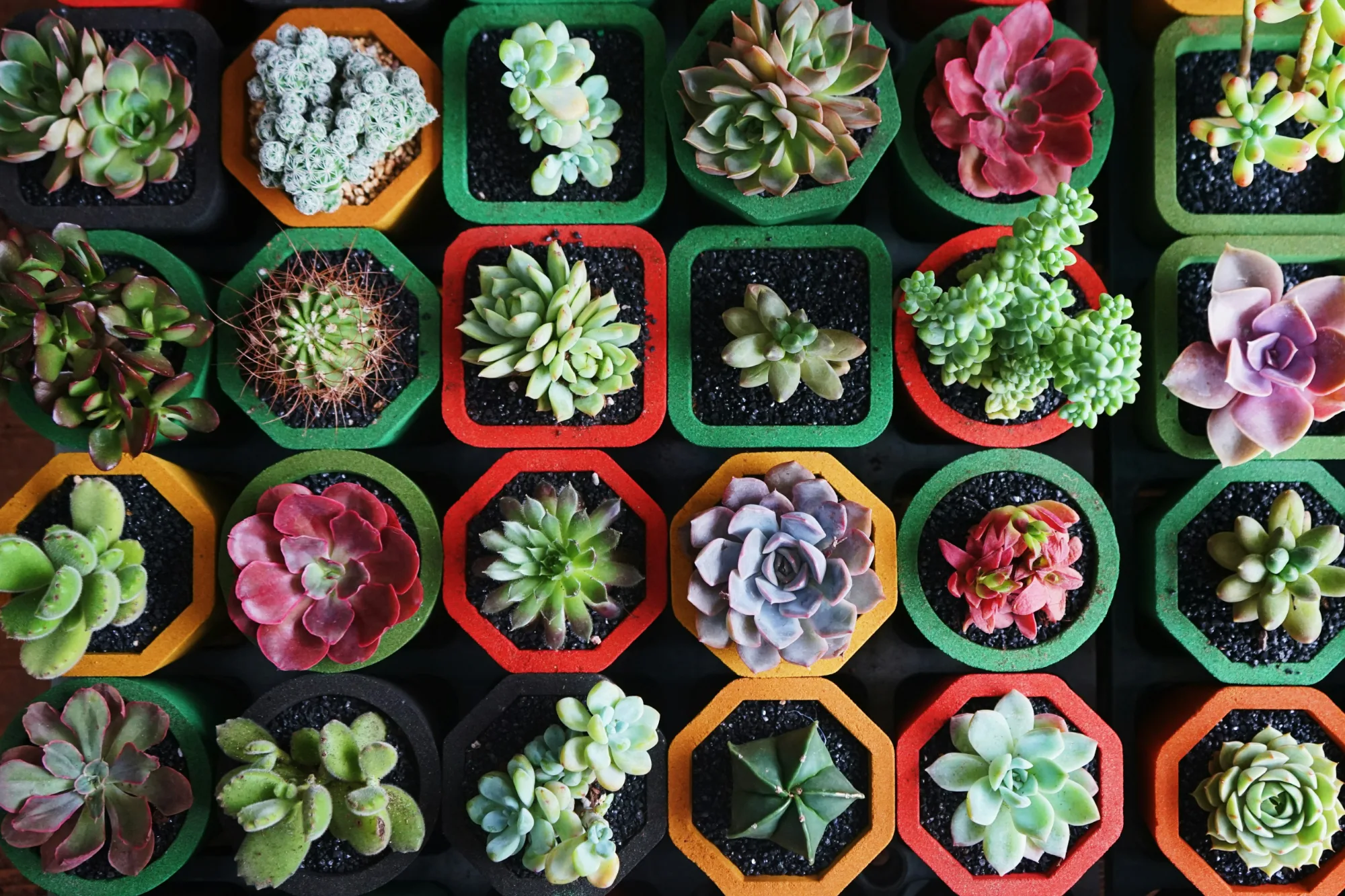
These have entered my collection in various forms over time, arriving both as part of mixed succulent trays and as small novelty pots picked up from the supermarket.

Plant Type
Succulents
Light
Bright Indirect
Water
Allow to Dry Completely
Soil Mix
Gritty / Succulent Mix
Pot Type/Size
Various
Acquired Date
2022

Personal Note

Personal note on Jade Plant

The Crassula ovata offers a welcome departure from the typical Echeveria roster. Frequently found tucked away in novelty pots on supermarket shelves, I've brought home plenty of them over the years, and they’ve introduced a brilliant structural diversity to the collection. Because they’re wonderfully inexpensive, they provide a low-stakes proving ground—allowing you to experiment, make a few mistakes along the way, and build genuine horticultural confidence without draining your bank balance.

Care & Environment

Renowned for its thick, woody stems and glossy, succulent leaves, Crassula ovata is a classic architectural succulent native to the rocky, sun-drenched slopes of South Africa. Built to endure intense heat and prolonged dry spells, it grows into a miniature tree-like structure over time. Indoors, it acts as a steadfast, sculptural companion that rewards a sunny windowsill and a heavy hand with restraint, developing gorgeous reddish margins on its leaves when exposed to strong light.

  • Watering Routine

    Allow the potting medium to go completely bone dry throughout the entire pot before watering thoroughly. Jade plants store substantial water in their leaves and stems, making them exceptionally vulnerable to root rot if kept in damp soil. During the darker, cooler winter months in the UK, water only sparingly—roughly once a month or when the lower leaves begin to feel slightly soft and pliable.

  • Soil Blend Recipe

    2 parts cactus and succulent compost, 2 parts coarse perlite or pumice, and 1 part coarse horticultural grit. An extremely porous, fast-draining mix that prevents any standing moisture around the root ball.

  • Light & Micro-Location Details

    Requires bright, direct light for several hours a day to maintain a compact, sturdy shape and prevent etiolation (stretching). A South-facing or bright West-facing windowsill is ideal. Insufficient light results in weak, pale stems that struggle to support the weight of the foliage.

  • Dimensions & Potting Specs

    Can grow slowly over many years into a substantial shrub, reaching anywhere from 30cm to over 1 metre tall indoors. Prefers a relatively snug, heavy ceramic or terracotta pot; their thick woody trunks can make top-heavy specimens prone to tipping over in lightweight plastic containers.

Growth Timeline & Milestones

  1. 2022

    The first of many are added to the collection

Swipe through the log →

From the Journal

Journal Entries Featuring This Plant

  • Succulents Demystified: Why Your Desert Plants Keep Rotting (And How to Grow Them Right)
    13th November 20268 min read

    Succulents Demystified: Why Your Desert Plants Keep Rotting (And How to Grow Them Right)

    Succulents aren't actually fragile, but they operate under biological rules that completely defy standard tropical houseplant care.

    Read Article