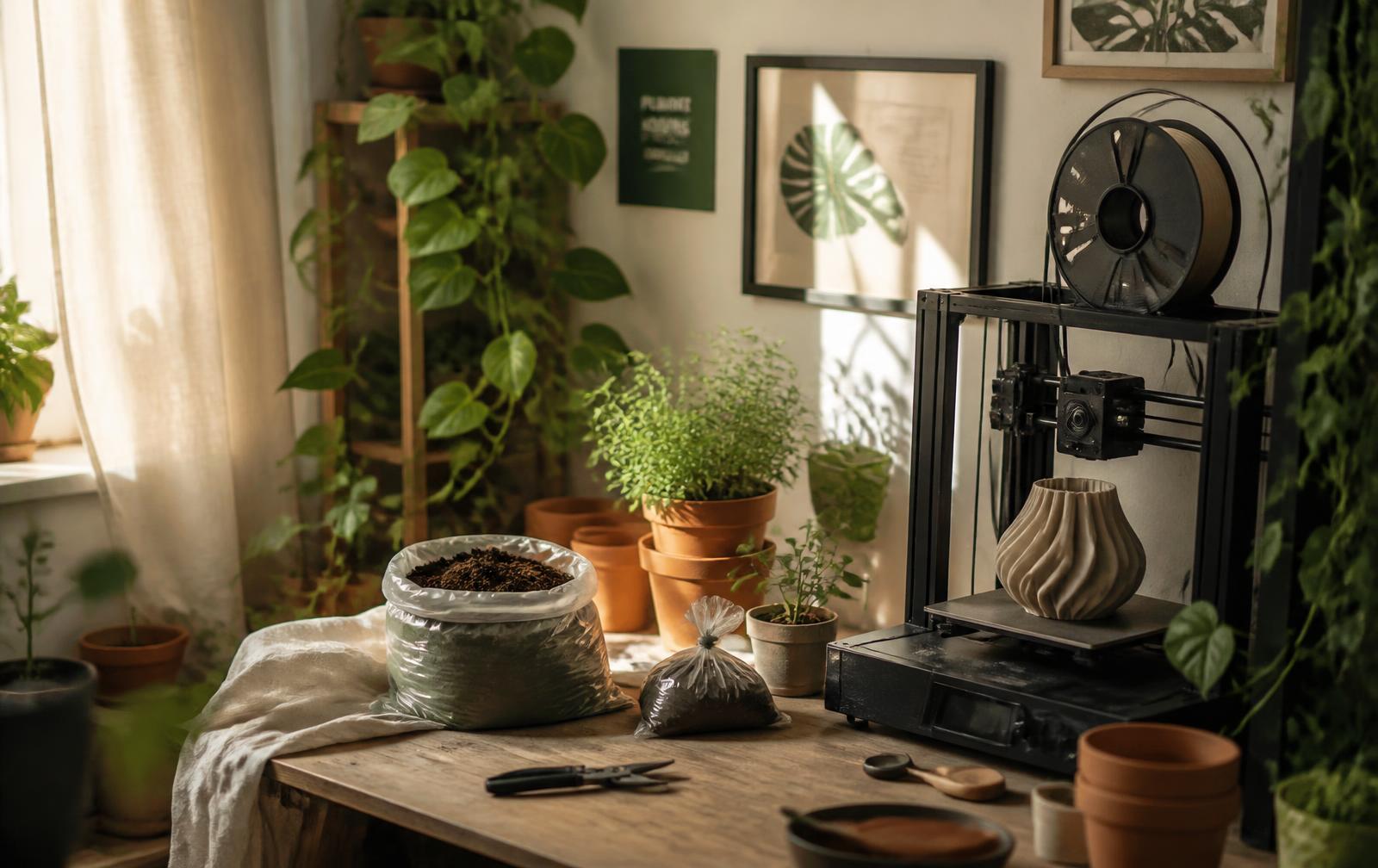
Every plant in this house arrived with a history. Some came thriving and slid quietly into decline; others arrived half-collapsed from a supermarket shelf and needed nothing more than the right window and a year of being left alone. The pattern repeats often enough to be a philosophy: the work is rarely intervention, it is arranging the conditions and then having the patience to wait.
Pruning taught the first lesson. Cutting a stem back feels like loss until the new growth appears lower down, denser and better supported. Repotting taught the second — that roots circling a pot are not failing, they have simply outgrown the structure holding them, and the only honest response is a larger vessel and fresh soil. Both are true of people mid-transition: what looks like reduction is often the beginning of a stronger frame.
Then there are the quiet seasons. Between November and February almost nothing here moves. No new leaves, no measurable change, watering cut back to a fraction. For years that stillness read as failure; now it reads as maintenance. Endurance is a season, not a defect, and the plants that come back strongest in March are the ones that were allowed to rest properly.
So this journal keeps two records at once. One is practical — soil blends, light readings, watering intervals, what recovered and what did not. The other is personal: the way tending something slow and living gives shape to stability you’re still rebuilding. The plants do not need the metaphor. It simply turns out they were carrying it anyway.