Botanics
Plant Spotlight: The Monstera Masterclass
Now Playing
Bring Me The Horizon - Mantra
Headspace
Vertical ambition, chunkier soil, and zero patience for basic hype.
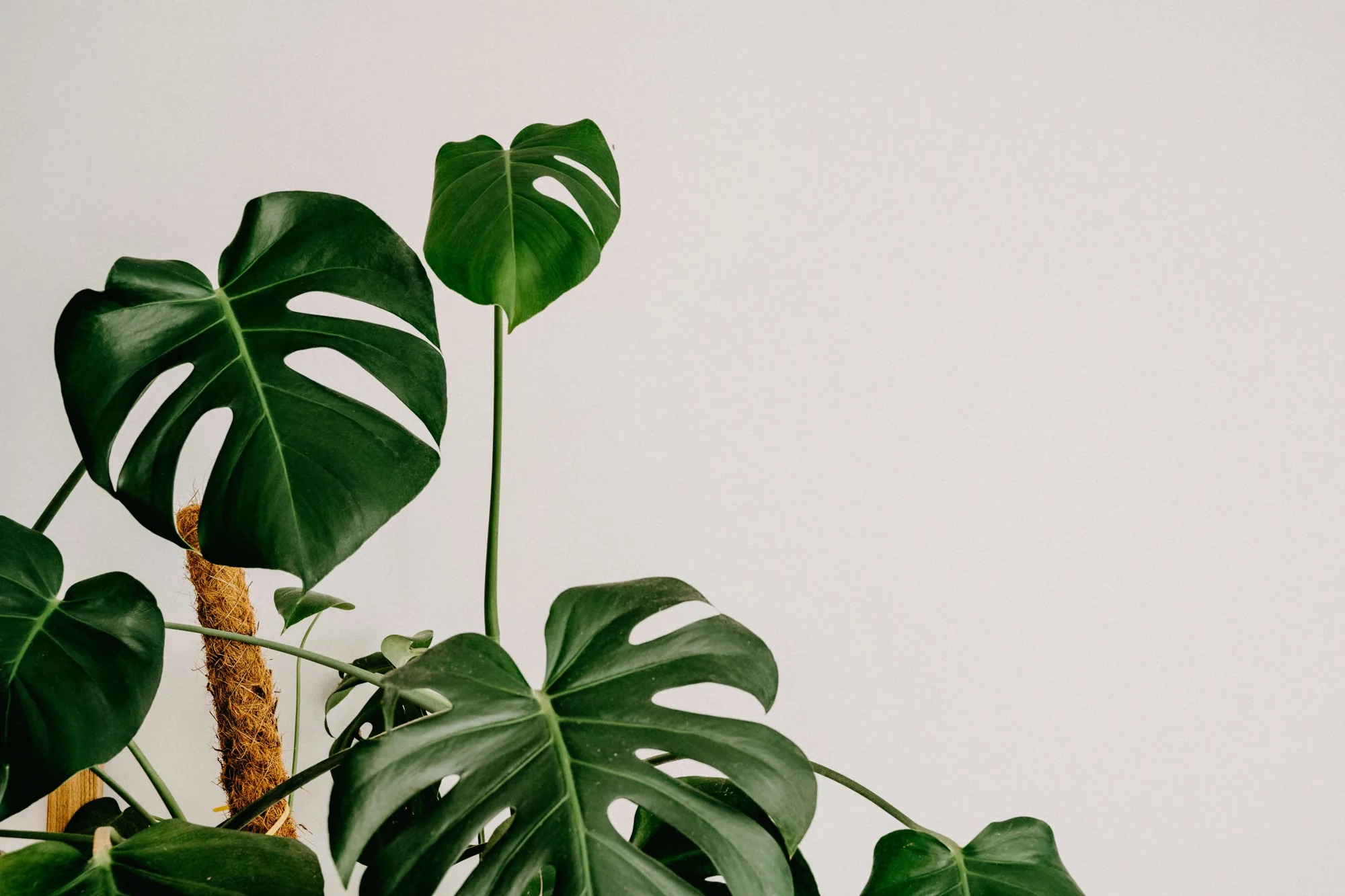
Native to the tropical rainforests of southern Mexico down to Panama, this heavy-hitting aroid has spent the better part of a century dominating mid-century modern living rooms, botanical prints, and Instagram feeds.
The Ultimate Monstera Masterclass: Taxonomy, Canopy Mechanics, Cultivation, and the Variegation Arms Race
Few plants dominate the modern indoor landscape quite like the genus Monstera. With their sweeping architectural silhouettes and striking foliage, they are the undisputed poster children of the houseplant boom.
Yet, treating every plant with a split leaf as a generic "Monstera", or worse, confusing them with philodendrons—misses an entire world of fascinating evolutionary engineering, structural climbing mechanics, and high-stakes collector markets. If you want to move beyond basic indoor styling and understand the true biology of these rainforest titans, we need to break down the genus from root to canopy.
Part 1: Anatomy of an Icon—Meet Monstera deliciosa
Before we untangle the decades of retail mislabelling, let's look at the plant itself. If there is one species responsible for launching a million indoor jungles, it is Monstera deliciosa.
Native to the tropical rainforests of southern Mexico down to Panama, this heavy-hitting aroid has spent the better part of a century dominating mid-century modern living rooms, botanical prints, and Instagram feeds. But beneath its trendy exterior lies a fascinatingly complex organism with a surprising history.
The Name and the Fruit
- The Etymology: The genus name Monstera comes from the Latin word for "monstrous" or "abnormal"—a nod to the bizarre, massive, split leaves that look like they belong in a prehistoric landscape. The species epithet, deliciosa, translates to "delicious," referring to the plant's exotic, cone-like edible fruit.
- The Catch: In the wild, the fruit tastes like a tropical blend of banana and pineapple. Indoors? You will almost never see it fruit, which is probably for the best: unripe Monstera fruit is packed with needle-like calcium oxalate crystals that will instantly turn your tongue to fire. Admire the leaves; skip the snack.
The Physical Presence
M. deliciosa is built for scale. In the wild, its thick, woody stems can climb up to 20 meters high, anchoring themselves to massive rainforest trees with rigid, finger-thick aerial roots. Its leathery leaves can easily span a meter across, engineered with deep splits (pinnate cuts) and window-like holes (fenestrations) to let tropical gales blow straight through without ripping the plant off its host.
Clearing Up the Great Philodendron Confusion
Once you appreciate Monstera deliciosa for what it is, we have to address the elephant in the greenhouse: the historic identity crisis that has haunted plant tags for decades. Walk into a vintage shop or a big-box store, and you’ll still find people calling monsteras "philodendrons."
To set the record straight once and for all, let's untangle the three plants that get mixed up in casual conversation:
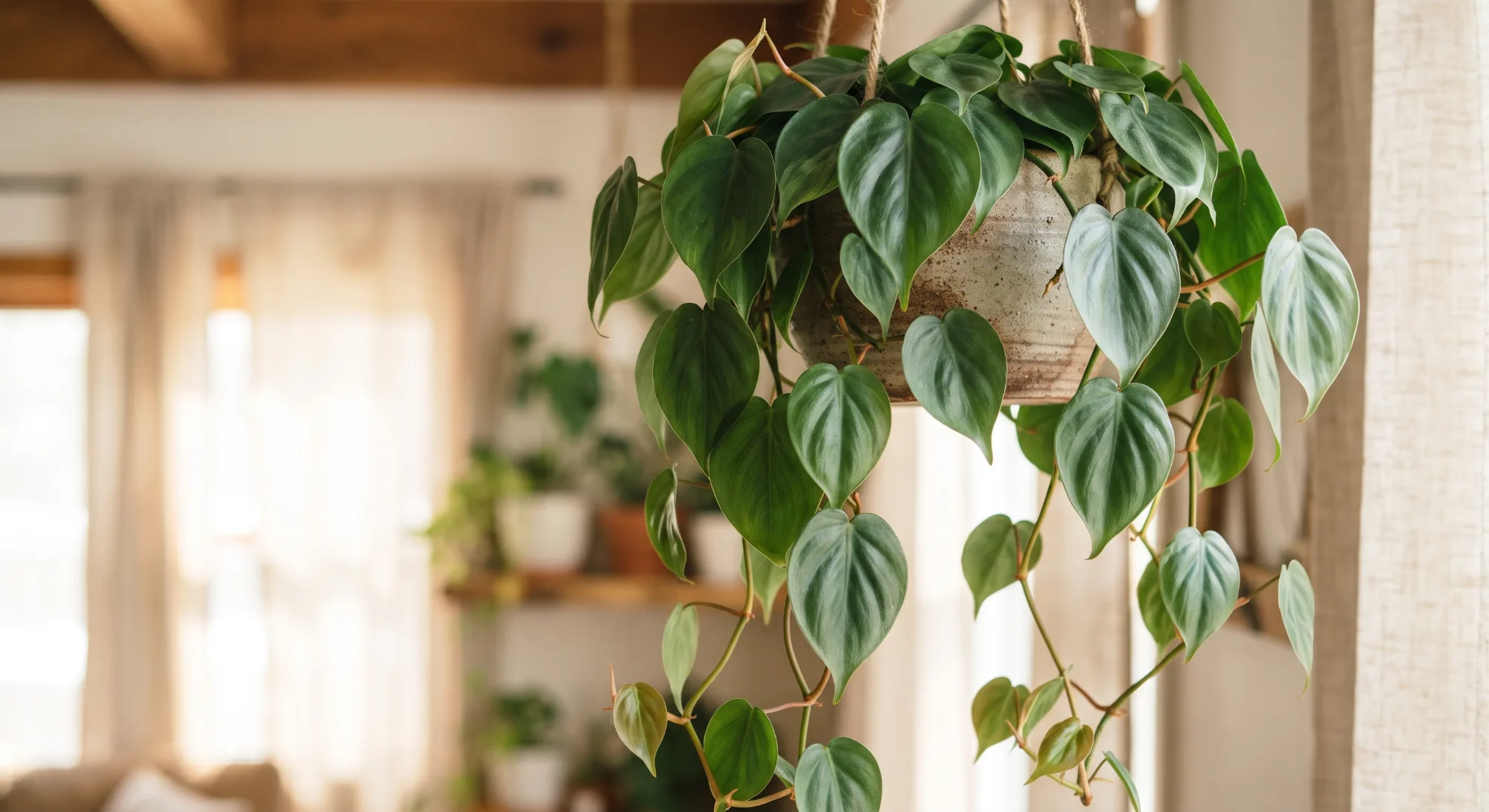
1. The Heartleaf Philodendron (Philodendron hederaceum)
- The Look: Smaller, heart-shaped leaves that stay solid and unbroken throughout their life.
- The Verdict: Not a Monstera. They share the same family (Araceae), but heartleaf philodendrons are distinct vining plants that never develop splits or holes.
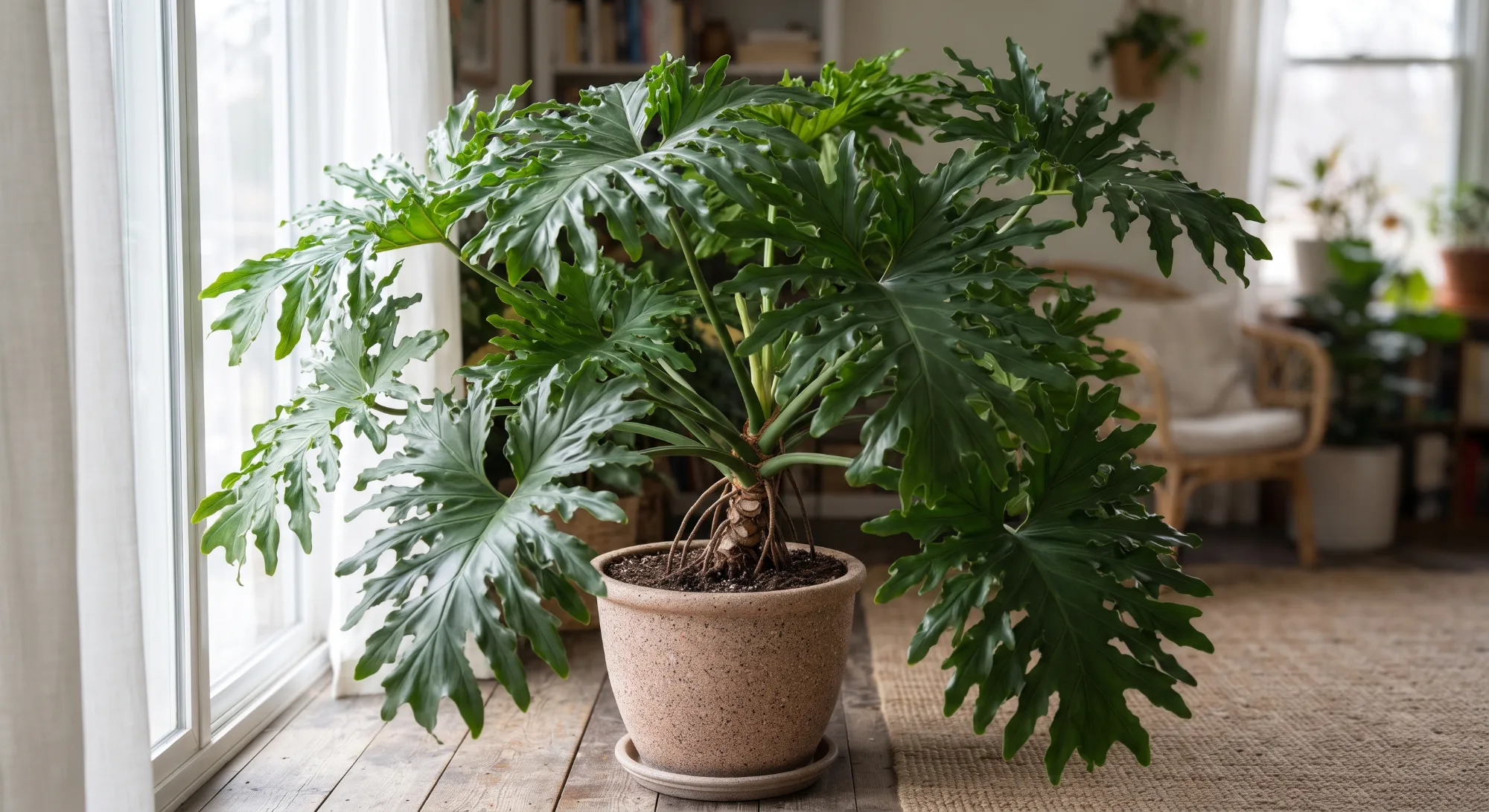
2. The Traditional "Split-Leaf Philodendron"(Thaumatophyllum bipinnatifidum, formerly Philodendron selloum)
- The Look: Large, deeply cut leaves with a ruffled, feather-like appearance.
- The Verdict: This is the only plant that structurally deserves the historical trade name "split-leaf philodendron." However, its leaves split deeply from the outside edge inward into finger-like lobes, and it never develops internal holes (fenestrations). Furthermore, it grows as an upright, self-heading woody trunk rather than a climbing vine.
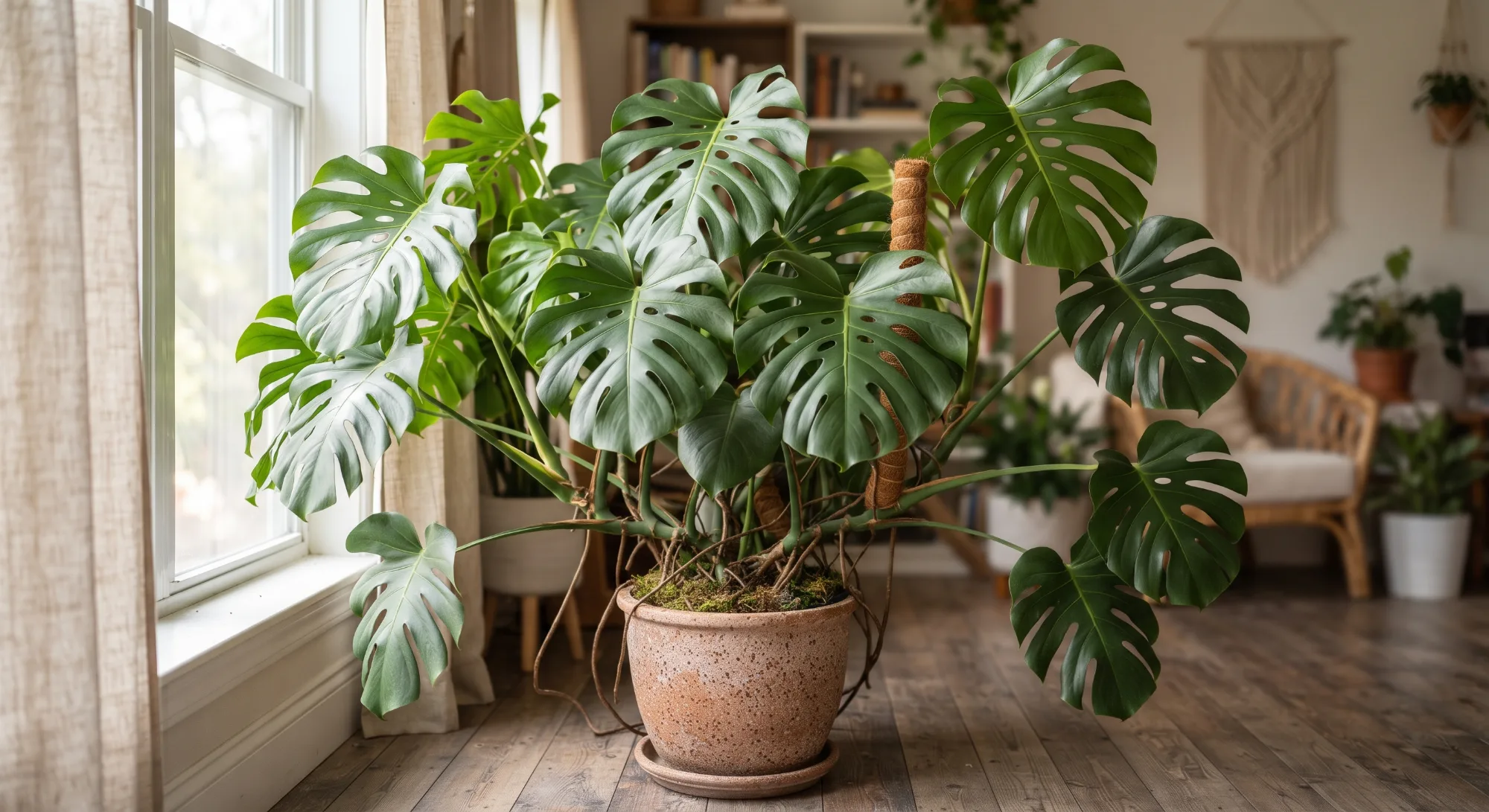
3. Monstera deliciosa (The True Split-and-Hole Specimen)
- The Look: Massive, leathery leaves featuring both deep outer splits and internal window-like holes.
- The Verdict: This is your classic Monstera.
The Anatomical Checklist (How to Tell Them Apart)
If a greenhouse tag is missing or flat-out wrong, you can tell a Monstera deliciosa apart from a true philodendron using two hard botanical facts:
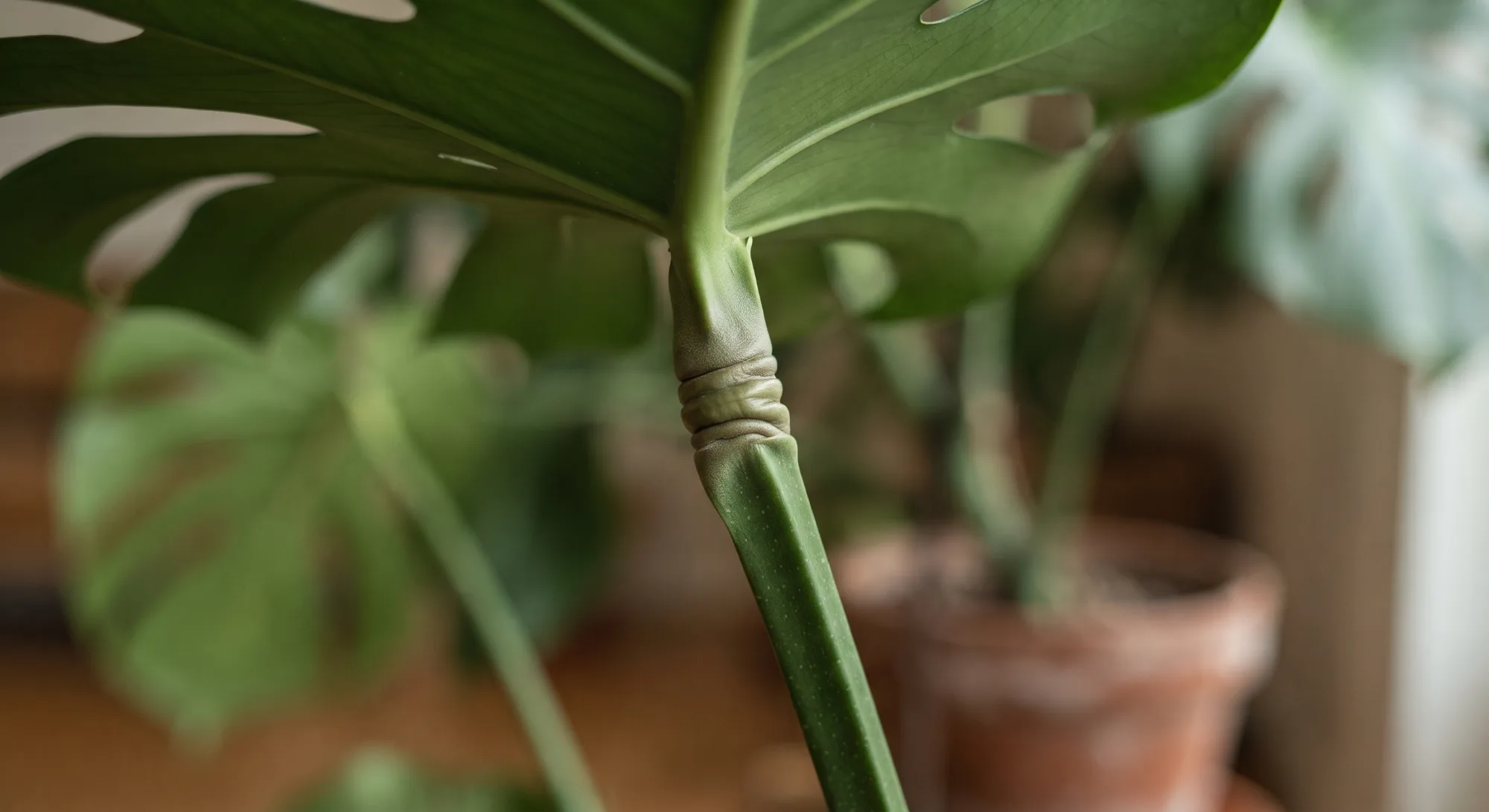
- The Geniculum (The Hinge): Run your fingers up the petiole to where it meets the leaf blade. A Philodendron features a geniculum, a small, flexible joint or "knee" that allows the leaf to physically swivel and track changing light directions. A Monstera petiole runs smooth and rigid straight into the leaf base with no joint.
- Internal Fenestrations: If a leaf has holes inside the closed green tissue of the blade before tearing out to the edges, it is a Monstera. Philodendrons never punch internal holes through their leaf blades.
Part 2: Native Habitats & Canopy Architecture (The Hemiepiphytic Life Cycle)
To grow a Monstera successfully indoors, you have to understand what it is doing in nature. These are not dainty tabletop potted plants; they are hemiepiphytic vines native to the tropical rainforests of Central and South America.
The Journey from Floor to Canopy
- The Seedling Phase: A Monstera begins its life in the deep, heavy shade of the rainforest floor. Guided by negative phototropism (growing away from dark shapes), the tiny seedling seeks out the darkest, most massive vertical object in its vicinity: a towering rainforest tree.
- The Climbing Phase: It scrambles upward, pressing its stems tightly against the bark. Thick, rigid aerial roots emerge from the nodes, functioning strictly as structural anchors rather than primary water-suckers.
- The Canopy Explosion: As the vine climbs higher into intense light zones, its leaves undergo a radical metamorphosis known as heteroblasty. Juvenile, small, heart-shaped leaves transform into massive, fenestrated adult foliage capable of capturing fleeting sun flecks without blocking lower layers or catching high winds like a solid sail.
Part 3: The Core Lineup (Species & Impostors)
While the genus contains nearly 50 recognized species, three primary types dominate indoor collections—along with a common botanical impostor worth clarifying.
1. Monstera deliciosa (The Heavyweight)
The classic specimen plant featuring thick, woody stems, massive leathery leaves, and deep splits and holes. (Including the popular borsigiana variant, characterized by tighter internodal spacing and faster vining habits).
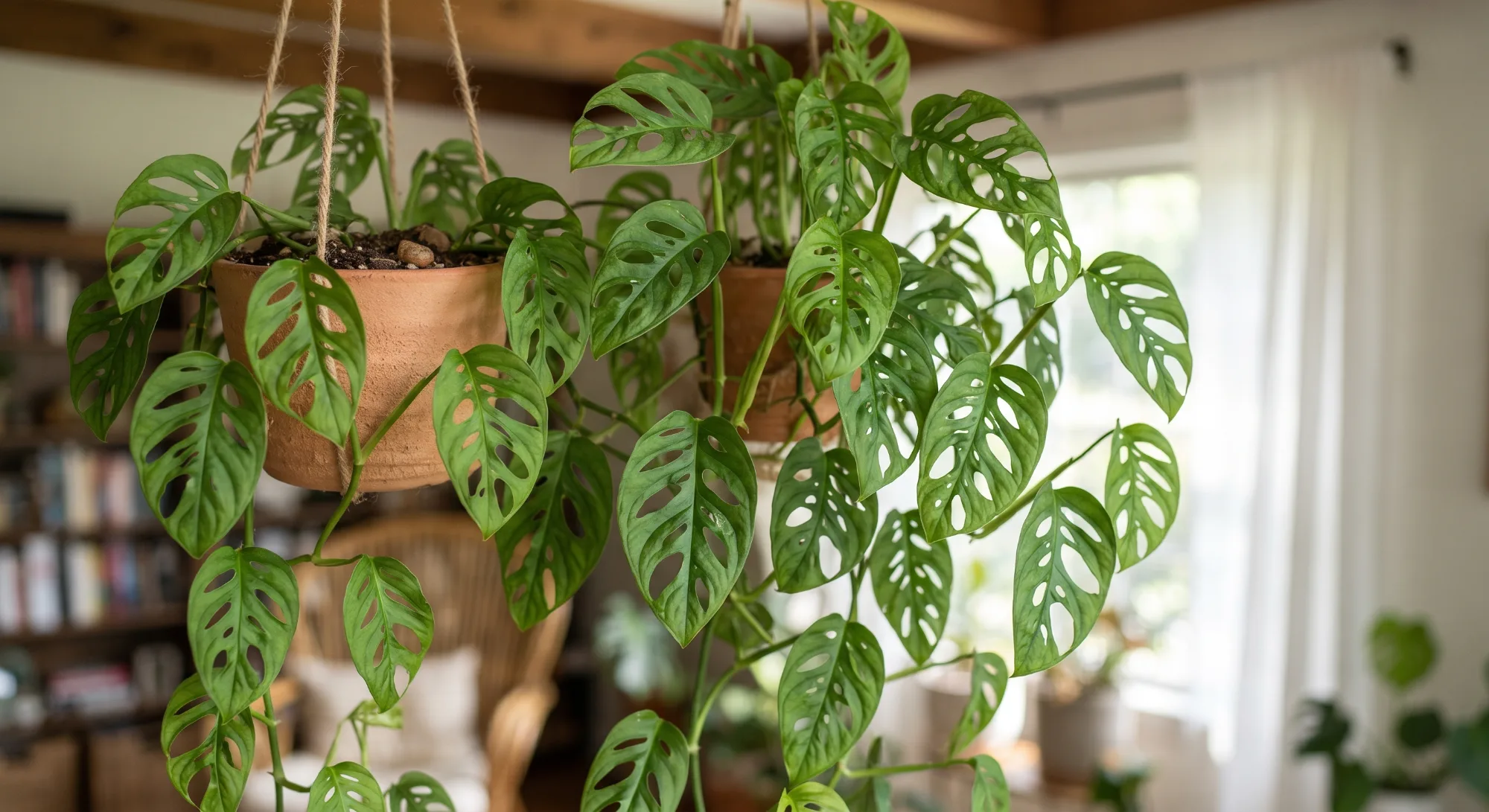
2. Monstera adansonii (The "Monkey Mask")
Affectionately known as the Swiss Cheese Plant, M. adansonii maintains a much smaller, trailing or climbing habit. Its defining feature is that the holes are entirely enclosed within the leaf blade.
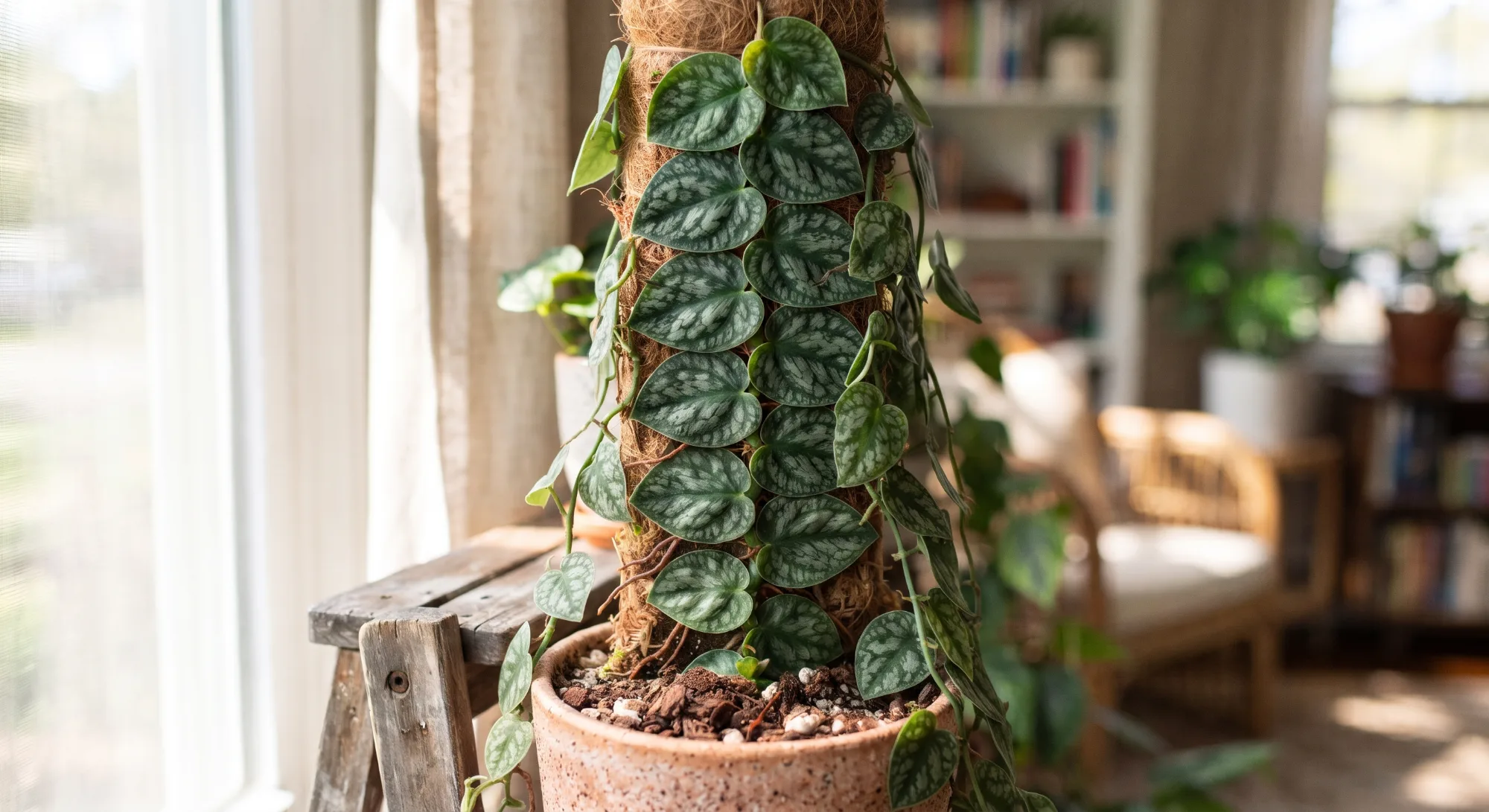
3. Monstera dubia 'Silver' (The Shingler)
A unique, shingling aroid that begins life as a juvenile with small, heart-shaped leaves marked by intricate silver and grey variegation, lying flat against a surface (like the wooden plank in the image). As a mature plant climbing into higher light, it undergoes a radical transformation, developing large, fenestrated green leaves. (Frequently sought after for its striking juvenile foliage pattern).
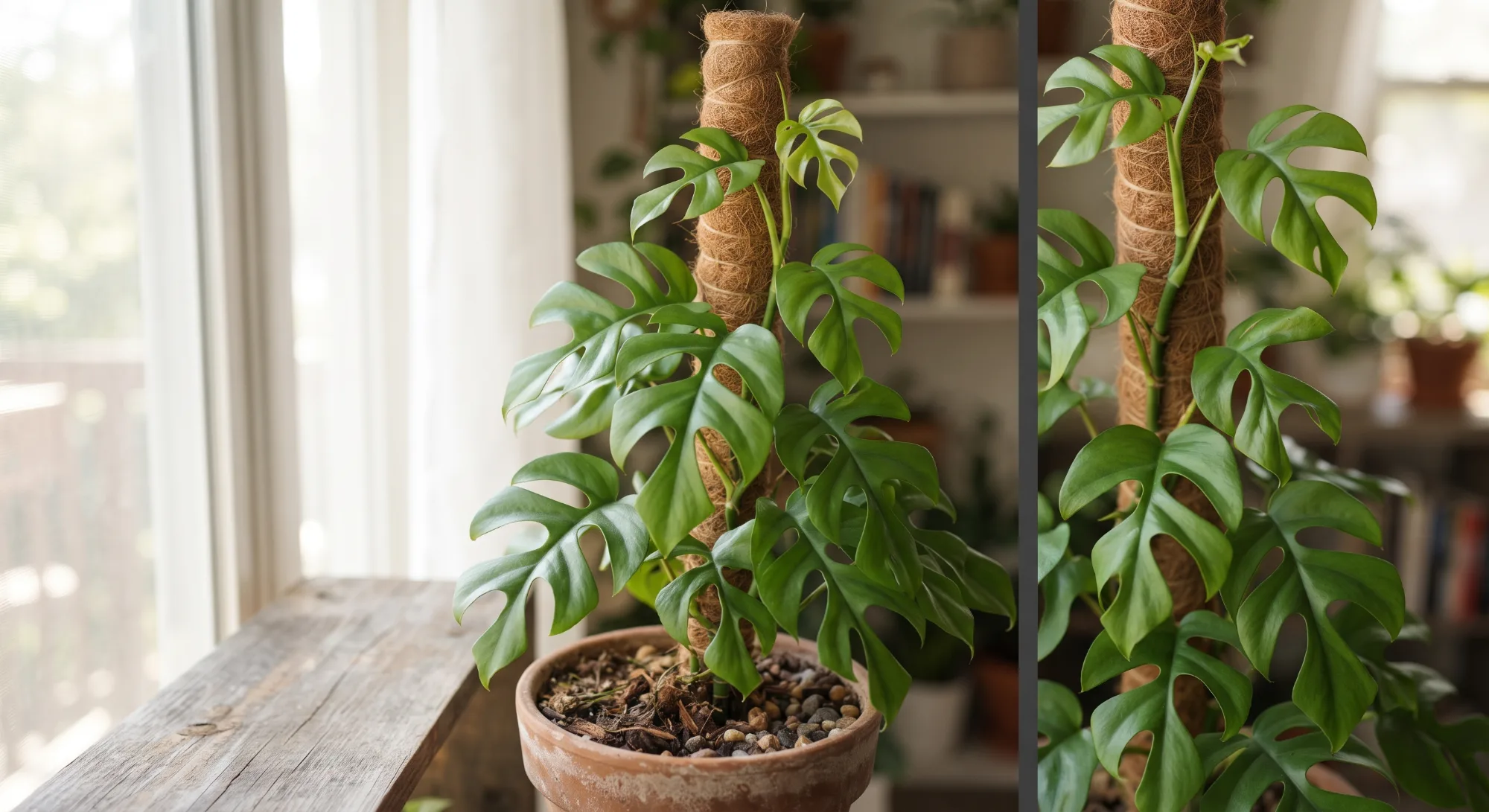
4. Rhaphidophora tetrasperma (The "Minima" Impostor)
Frequently sold commercially as the "Mini Monstera," Rhaphidophora tetrasperma is actually a completely different genus within the Araceae family native to Southeast Asia. While it shares the fenestrated leaf aesthetic, its growth mechanics place it outside the Monstera genus, though its care requirements align closely.
Part 4: Propagation, Potting, and Climbing Mechanics
If you want your monsteras to thrive indoors rather than lingering in a permanent juvenile state, you have to mimic their natural mechanical requirements.
1. Encouraging Climbing (Planks vs. Poles)
While moss poles offer cosmetic appeal, a rough-sawn cedar plank mimics a vertical rainforest tree trunk far more effectively. Pressing the main stem and aerial nodes flat against raw wood triggers the plant's natural clinging response, signalling it to mature, size up, and produce dramatic fenestrations.
2. Substrate Engineering Standard peat-heavy potting soil will suffocate a Monstera’s thick root system. Build a high-performance aroid matrix:
- 40% Coarse Orchid Bark: Creates massive air pockets for oxygen exchange.
- 30% Coco Coir or Quality Potting Soil: Provides foundational moisture retention.
- 20% Perlite or Pumice: Ensures rapid drainage.
- 10% Horticultural Charcoal: Keeps the root zone sweet and free of anaerobic bacteria.
3. Propagation
Propagation is remarkably straightforward. Take a stem cutting featuring at least one node and an aerial root or active bud. Rooting in damp sphagnum moss or perlite offers a strong transition root system with zero shock when potting up into chunky soil.
Part 5: The Variegation "Arms Race" (Mutations & Lab Science)
No discussion of modern Monstera cultivation is complete without examining the collector "arms race"—a multi-million-dollar obsession driven by genetic mutations, instability, and tissue culture.
1. Monstera deliciosa 'Albo Borsigiana'
The iconic white-and-green variegated holy grail resulting from a spontaneous genetic mutation (chimera). Because white tissue lacks chlorophyll, Albo monsteras grow slower, require significantly brighter light, and demand meticulous care.
2. Thai Constellation
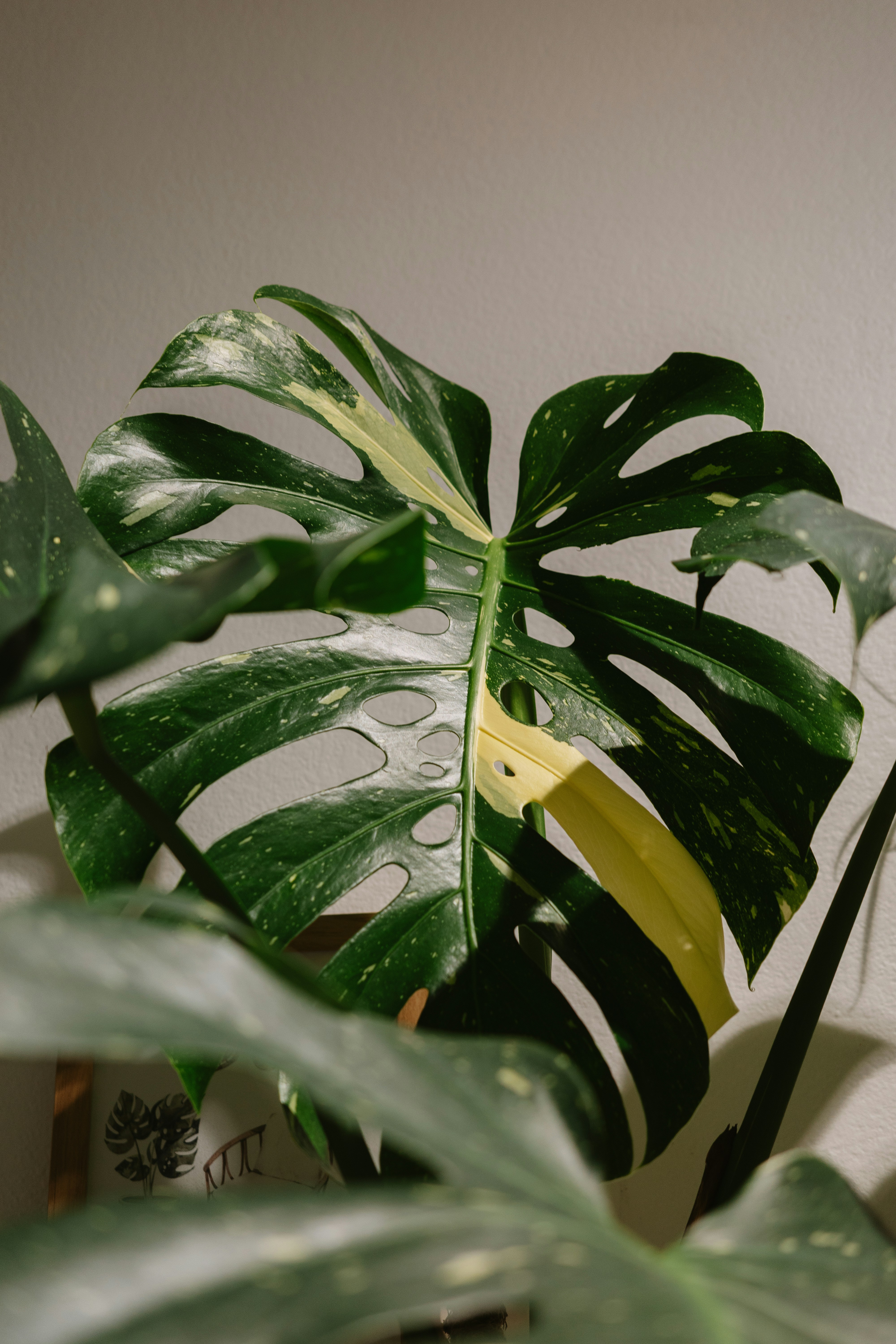
Unlike the unstable chimeral mutation of the Albo, the Thai Constellation was developed via laboratory tissue culture in Thailand. Its creamy, speckled variegation resembles a starry night sky and is genetically stable, making it a predictable centrepiece for collectors.
3. Aurea, Mint, and the Collector Economy
Rarer genetic expressions like Aurea (yellow-green splashes) and Mint (frosted intermingling of chlorophyll) continue to push basic aroid keeping into a high-tech horticultural subculture.
The Verdict
Monstera deliciosa and its botanical kin aren't just trendy relics of mid-century interior design; they are rugged, adaptable structural climbers. Stop calling them philodendrons, ditch the standard peat soil, mount them to a proper cedar plank, and watch them turn your space into a true rainforest canopy.