Back to Collection
Ti Plant — Cordyline Fruticosa syn. Cordyline terminalis

Ti Plant

Cordyline Fruticosa syn. Cordyline terminalis

Family · Asparagaceae

Also known as · Good Luck Plant, or Hawaiian Ti

Thriving

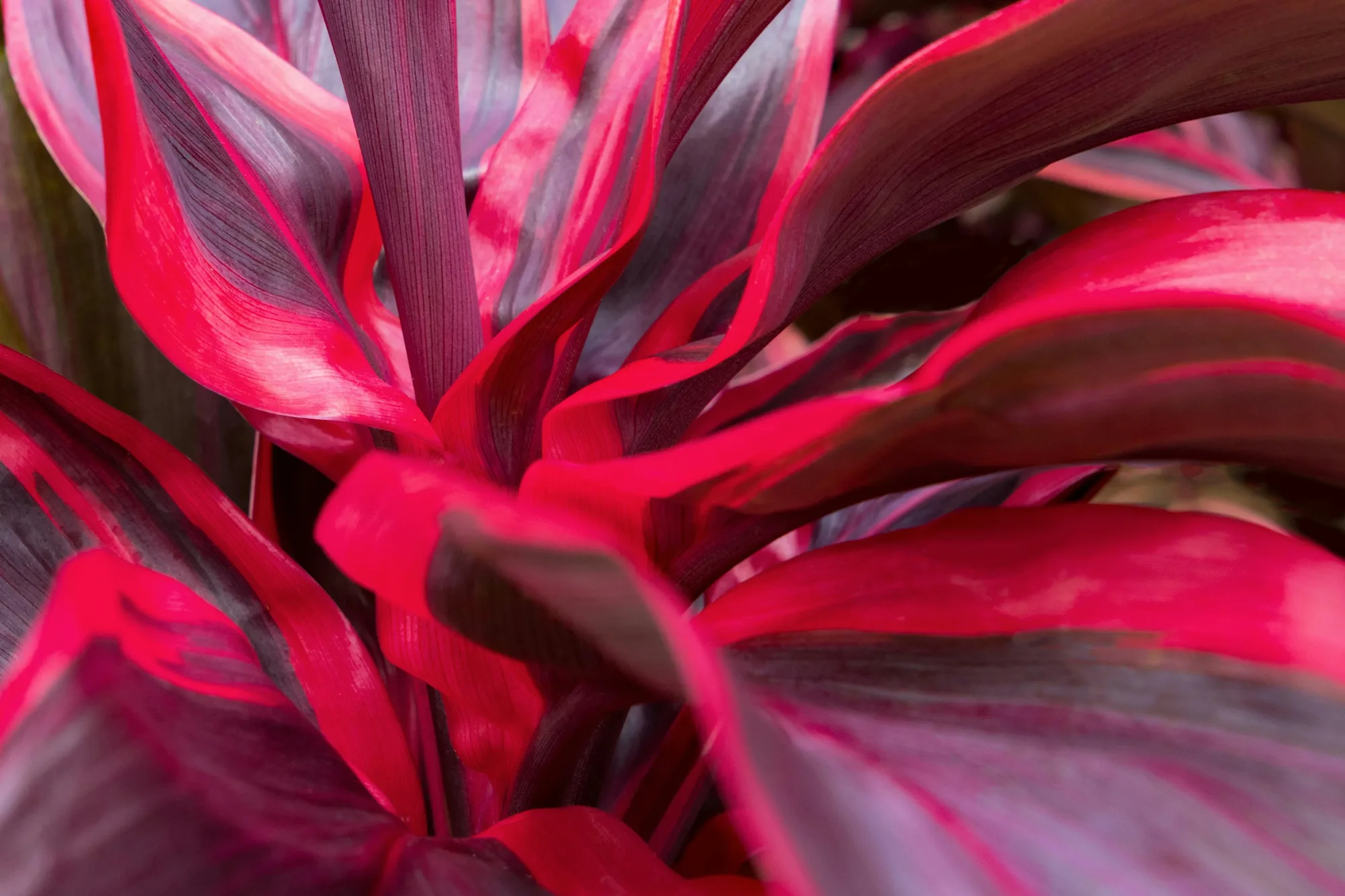
While my direct experience with the genus centres on the Cordyline tango rather than the classic fruticosa, it joined the collection as a deliberate, compact statement piece. Its deep, dramatic foliage offered a striking, moody colour contrast against the familiar greens and reds of neighbouring Dracaenas.

Plant Type
Palms & Woody Shrubs
Light
Bright Indirect
Water
Dry Top Half
Soil Mix
All-Purpose Houseplant Mix
Pot Type/Size
4" Plastic Pot with Saucer
Acquired Date
2022

Personal Note

Personal note on Ti Plant

It proved to be a bittersweet chapter—and a hard-earned lesson—as that particular plant was ultimately lost to my very first encounter with spider mites. Navigating that aggressive pest invasion for the first time was a sharp learning curve. Yet it left a lasting impression, deepening my awareness of how these versatile plants sit between worlds, equally at home thriving in outdoor garden landscapes as they are demanding attention indoors.

Care & Environment

Native to the tropical regions of Southeast Asia, parts of Polynesia, and Australasia, Cordyline fruticosa is a striking woody evergreen celebrated for its brilliant, lance-shaped leaves bursting in vivid shades of crimson, pink, bronze, and deep green. Revered in traditional Pacific cultures as a sacred plant believed to bring good fortune and ward off negative energy, it introduces a dramatic, tropical flair indoors. Built to capture filtered light beneath a dense jungle canopy, it stands as a flamboyant living statement piece that brings warmth, history, and rich colour to any collection.
  • Watering Routine

    Allow the top half of the potting soil to dry out before watering thoroughly. Like many tropical foliage plants, it appreciates consistent moisture but despises sitting in waterlogged soil. It can also be sensitive to fluoride and heavy minerals found in standard tap water, making rainwater or filtered water ideal for keeping its leaf tips pristine.

  • Soil Blend Recipe

    2 parts peat-free compost, 1 part horticultural perlite, and 1 part coconut coir or fine bark. A rich, moisture-retaining yet well-draining medium that nourishes its root system while preventing compaction or stagnation.

  • Light & Micro-Location Details

    Thrives best in bright, indirect light. Ample light is essential to maintaining the intense, vibrant coloration of its leaves; too much shade will cause new foliage to emerge in dull, muted greens. Avoid harsh, direct midday sun, which can scorch its colourful margins, though gentle morning light is warmly welcomed.

  • Dimensions & Potting Specs

    Grows into an upright, cane-forming shrub that can reach 1 to 1.5 metres indoors over time, gradually shedding its lower leaves to reveal a clean, slender trunk. Prefers a stable, medium-sized pot that supports its vertical stature.

Cultivars & Varieties

  • Tango

    Cordyline fruticosa 'Tango' is a striking, compact cultivar celebrated for its intense, sword-shaped leaves of deep burgundy and rich plum

Growth Timeline & Milestones

  1. 2024

    The Cordyline Fruticosa 'Tango' joins the collection.

Swipe through the log →

From the Journal

Journal Entries Featuring This Plant

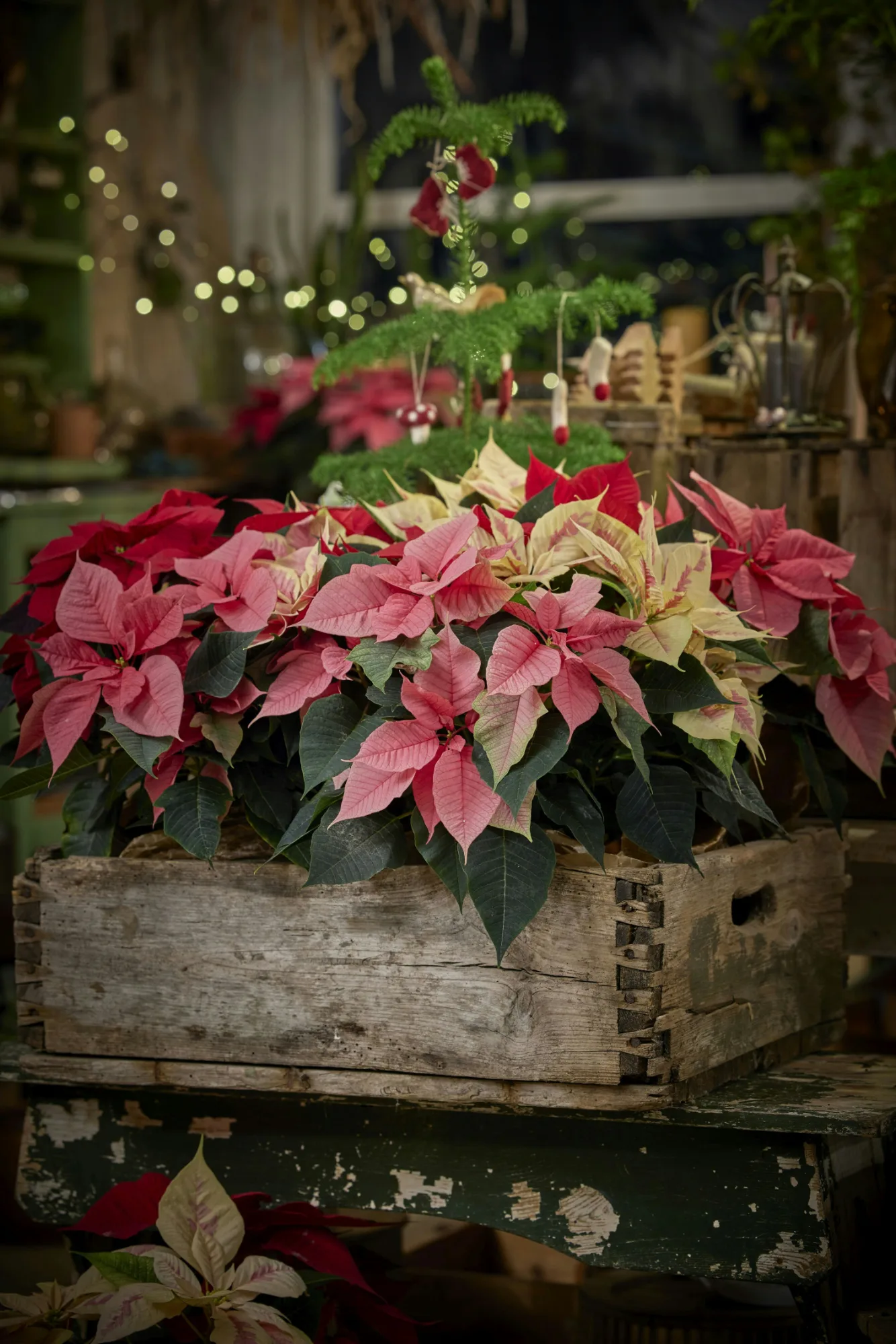
  • Poinsettias: How to Avoid Festive Cheer Becoming the January Blues (And What to Grow Instead)
    13th November 20267 min read

    Poinsettias: How to Avoid Festive Cheer Becoming the January Blues (And What to Grow Instead)

    Even if you manage to keep them alive past January, getting them to "re-bloom" next Christmas is a masterclass in botanical bureaucracy.

    Read Article