Back to Collection
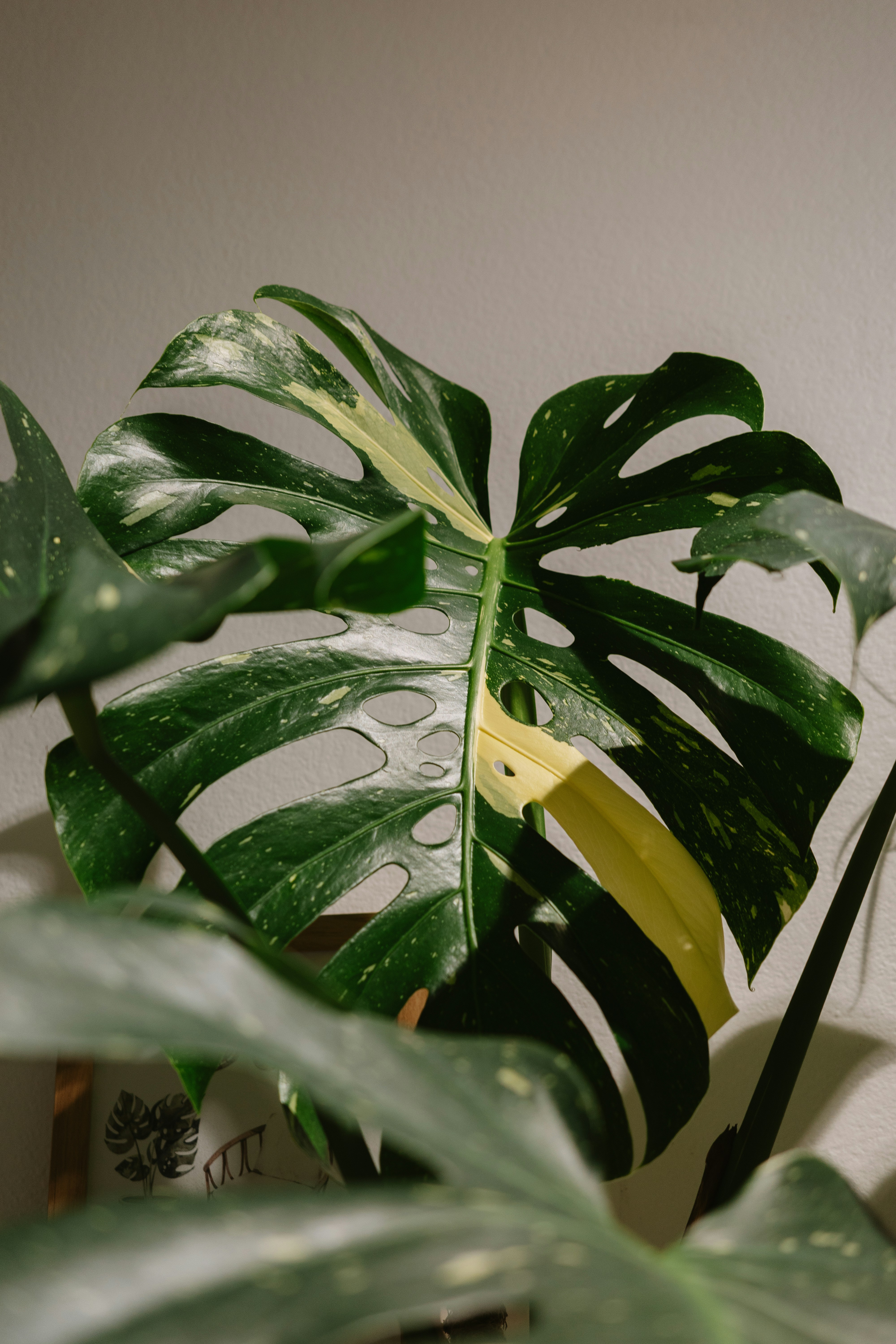
Monstera "Thai Constellation" — Monstera deliciosa

Monstera "Thai Constellation"

Monstera deliciosa

Family · Araceae

ThrivingBedroom

The 'Thai Constellation' was added during a haul from B&Q after I'd put it off for quite some time. After picking up a few rescue plants, the striking variegation on the leaves proved too appealing to pass up. I couldn't resist bringing it home, and I'm really glad to have added this piece to the collection.

Light
Bright Indirect
Water
Dry Top Half
Soil Mix
Chunky Aroid Mix
Pot Type/Size
6" Plastic Pot inside a decorative glazed Plant Pot
Acquired Date
Summer 2026

Personal Note

Personal note on Monstera "Thai Constellation"

The "Thai Constellation" is a plant that demands a fine balance between patience and vigilance. Watching a new, unfurling leaf reveal its unique pattern of cream splatters, never knowing quite how much white vs. green you'll get, is one of the genuine highlights on the shelf. But its delicate balance between bright light and delicate roots makes it an ongoing masterclass in sub-surface care: keeping those pristine cream sections pristine requires paying close attention to substrate drainage and winter routines.

Care & Environment

Developed through tissue culture in Thailand, the 'Thai Constellation' is a stable, lab-engineered cultivar famous for its starbursts of cream, ivory, and speckled butter-yellow splash across deep green leaves. Unlike chimeral variegation which can revert to solid green, the Thai's marbled pattern is embedded directly in its DNA. However, because variegated sectors lack chlorophyll, it requires careful light calibration and extra soil aeration to keep its foliage healthy and prevent browning in the cream-colored sections.

  • Watering Routine

    Allow the top 50–70% of the substrate to dry out fully before giving it a thorough soak. The Thai Constellation's roots are notably more prone to root rot than the standard wild-type Monstera deliciosa. Always ensure runoff drains completely away, never let the base sit in standing water. During cold, dark Scottish winters, reduce watering sharply and monitor moisture levels carefully.

  • Soil Blend Recipe

    3 parts coarse orchid bark, 2 parts pumice or coarse perlite, 1 part horticultural charcoal, and 1 part peat-free potting compost. An exceptionally chunky, highly oxygenated mix that allows water to drain instantly while keeping air pockets around the root zone to prevent fungal rot.

  • Light & Micro-Location Details

    Requires high-intensity, bright indirect light to support the non-photosynthetic cream patches. Position near an East-facing window or a few feet back from a bright South-facing window. In lower light conditions, growth will stall significantly and the plant will draw energy away from its variegated areas, leading to brown, crispy patches on the cream leaves.

  • Dimensions & Potting Specs

    A heavy, large-scale climber that can produce massive, fenestrated leaves over 50cm wide indoors. Requires a thick, rigid moss pole or solid wooden plank anchored securely in a sturdy ceramic or heavy terracotta pot to support the weight of mature stems.

Growth Timeline & Milestones

  1. September 2026

    The Monstera "Thai Constellation" joins the collection.

Swipe through the log →

From the Journal

Journal Entries Featuring This Plant

  • 7 min read

    Consolidation, Division, & The Good Kind of Tired

    Combining plants changes their microclimate. Together, their collective root system holds moisture more evenly, creates a broader canopy for humidity, and gives individual stems the support they lacked on their own.

    Read Article