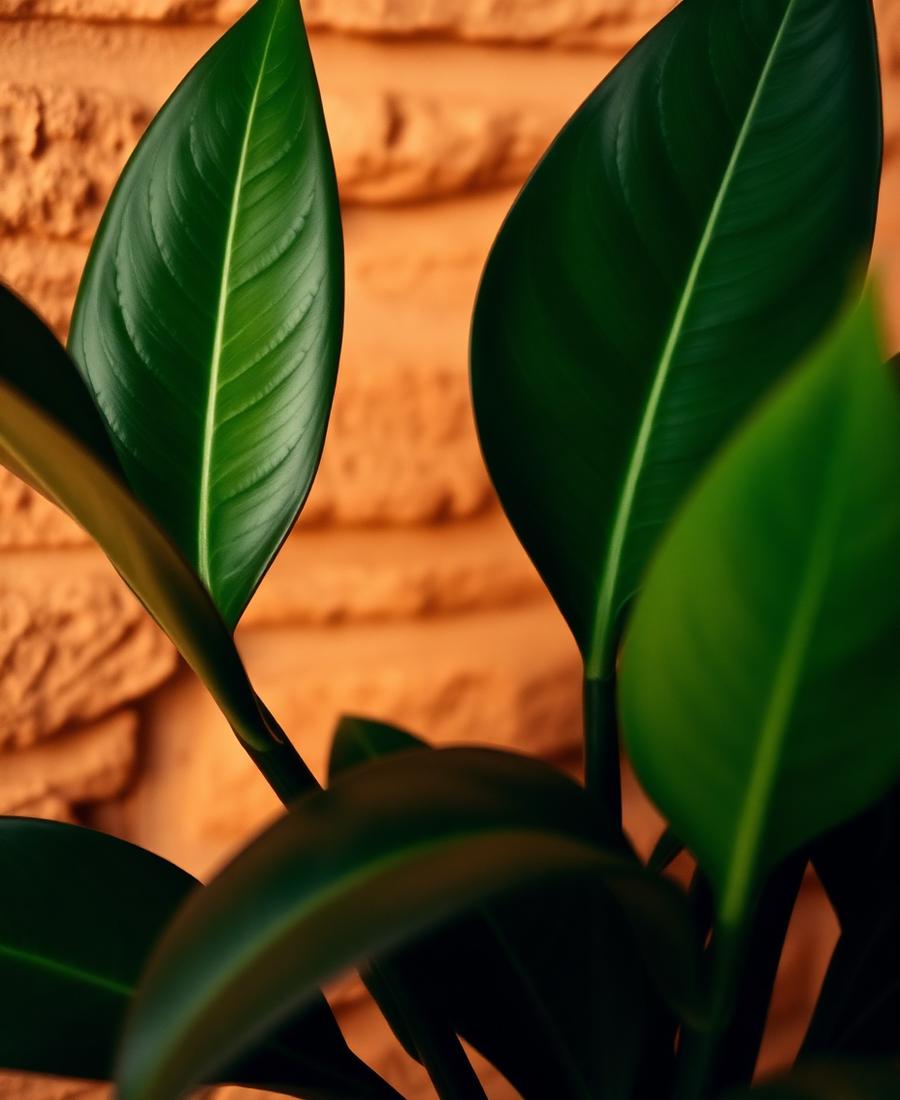
Swiss Cheese Plant
Monstera Deliciosa
Living Room
Native to Southern Mexico and Central America, Monstera deliciosa grows as a hemiepiphyte, starting on the dark rainforest floor before climbing tree trunks toward the canopy. Its famous leaf slits—fenestrations—are an evolutionary adaptation, letting dappled sunlight and heavy rain pass through to lower leaves while protecting the plant from wind damage. In the wild, it yields a fragrant, tropical fruit tasting of banana and pineapple, earning its name deliciosa.
Light
Thrives best in bright, indirect light.
Water
Water when top 2-5cm of soil is dry.
Subsoil / Pot
Always select a pot with ample bottom drainage holes (terracotta, nursery plastic, or unglazed ceramic). Ensure the pot size is only 2–5 cm wider than the current root mass; oversized pots hold excess moisture in uncolonised soil, significantly increasing the risk of root rot.
Acquired
2022 - One of the plants which began our collection
Care & environment
Ideal range is 18°C – 30°C. Keep away from cold drafts below 12°C, radiators, or air conditioning vents. Optimal ambient humidity is 60%+, though it adapts comfortably to standard household humidity (40–50%). Higher humidity encourages faster growth and larger leaf formation. As a climber, it relies on external support. Provide a sturdy moss pole, coir column, or wooden plank to support its central vine and allow aerial roots to anchor.
Watering routine
Allow the top 50–70% of the substrate to dry out between waterings. Insert a finger or moisture meter deep into the pot before watering. Water thoroughly until moisture runs freely from the bottom drainage holes. Allow all excess water to drain completely—never let the pot sit in standing water. Reduce watering frequency during late autumn and winter when plant growth naturally slows and evaporation drops.
Soil blend
Air-Rich Aroid Mix is recommended. Standard potting soil compacts too quickly, suffocating the thick roots. Use an airy mix which retains oxygen better. You can makes your own using the following: 30% Potting Soil / Coco Coir (Base allowing for moisture retention & nutrient holding), 30% Coarse Orchid Bark (Creating large air pockets & structural aeration), 20% Perlite or Pumice (Facilitates fast drainage & prevents compaction), 10% Sphagnum Moss / Coco Chips (Balanced moisture buffer) and 10% Horticultural Charcoal (Sweetens soil & deters root pathogens)
Dimensions
Large
A personal note
There is a quiet, steady presence to a Monstera deliciosa that anchors a room. Watching a new leaf emerge—tightly coiled, pale green, and delicate—before slowly unfurling over days to reveal its intricate fenestrations is one of the most rewarding rhythms in plant keeping. It is a forgiving yet expressive plant; it communicates its needs clearly through its posture, rewarding proper light and patience with dramatic scale and architecture. More than just greenery, a mature Monstera becomes a living sculpture, bringing a piece of the ancient rainforest canopy straight into the home.
Bi-Directional Journal
Field Notes & Essays Featuring This Plant
No essays reference Swiss Cheese Plant yet — its record here is the beginning of the log. New field notes linked to this specimen will appear in this section.
Browse all field notes