Back to Collection
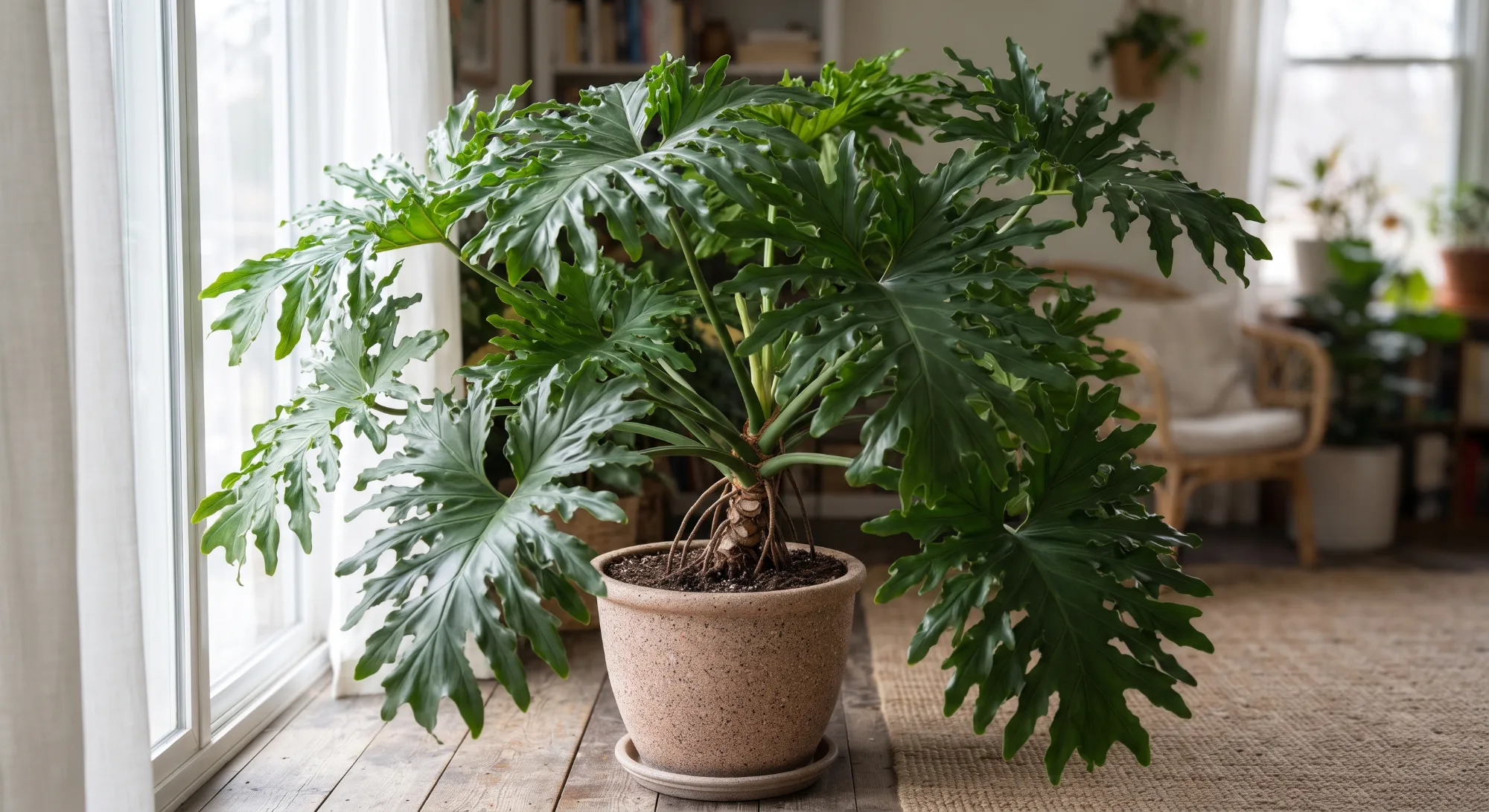
Philodendron 'Split-Leaf' — Thaumatophyllum bipinnatifidum (syn. Philodendron bipinnatifidum, Philodendron selloum)

Philodendron 'Split-Leaf'

Thaumatophyllum bipinnatifidum (syn. Philodendron bipinnatifidum, Philodendron selloum)

Family · Araceae

Also known as · Tree Philodendron, or Horsehead Philodendron

The Thaumatophyllum bipinnatifidum is a masterclass in botanical architecture. With its deeply divided leaves and commanding vertical presence, it introduces an immediate sense of wild, untamed scale to a room. It rewards patience and steady care with a bold, enduring majesty that anchors an entire collection.

Plant Type
Aroids
Light
Bright Indirect
Water
Dry Top Half
Soil Mix
Chunky Aroid Mix
Pot Type/Size
Not specified
Acquired Date
Not specified

Care & Environment

Native to the warm, humid rainforests and moist woodland edges of South America, Thaumatophyllum bipinnatifidum, long treasured in cultivation under its former moniker Philodendron selloum, is a magnificent, semi-woody aroid celebrated for its deeply lobed, deeply cut, glossy emerald leaves. Unlike trailing vines, this species develops a robust, self-heading trunk over time, creating a bold, architectural, tree-like silhouette. Built to capture dappled sunlight beneath a high canopy, it stands as a commanding living sculpture that brings a lush, subtropical jungle presence to any interior space.

  • Watering Routine

    Allow the top half of the potting soil to dry out completely before watering thoroughly. Because of its massive root system and thick stems, it stores moisture efficiently and despises sitting in waterlogged soil, which quickly leads to root rot. Reduce watering frequency slightly during the darker winter months.

  • Soil Blend Recipe

    2 parts coarse orchid bark, 1 part coco coir or peat-free compost, 1 part horticultural perlite, and a handful of horticultural charcoal. A chunky, highly aerated aroid substrate that allows oxygen to circulate freely around its substantial root network while draining rapidly.

  • Light & Micro-Location Details

    Thrives best in bright, indirect light. Ample ambient light is crucial for encouraging its characteristic deep leaf fenestrations and keeping the massive foliage compact and sturdy. While it can adapt to medium-light corners, too much shade will cause growth to stretch and soften. Avoid harsh, direct afternoon sun, which can scorch its broad leaves.

  • Dimensions & Potting Specs

    Grows into a wide, self-heading structural specimen that can reach 1.2 to 1.8 metres in both height and spread indoors over time. Prefers a heavy, stable pot that can adequately counterbalance its large, outward-reaching canopy.

From the Journal

Journal Entries Featuring This Plant

  • Plant Spotlight: The Monstera Masterclass
    13th November 202612 min read

    Plant Spotlight: The Monstera Masterclass

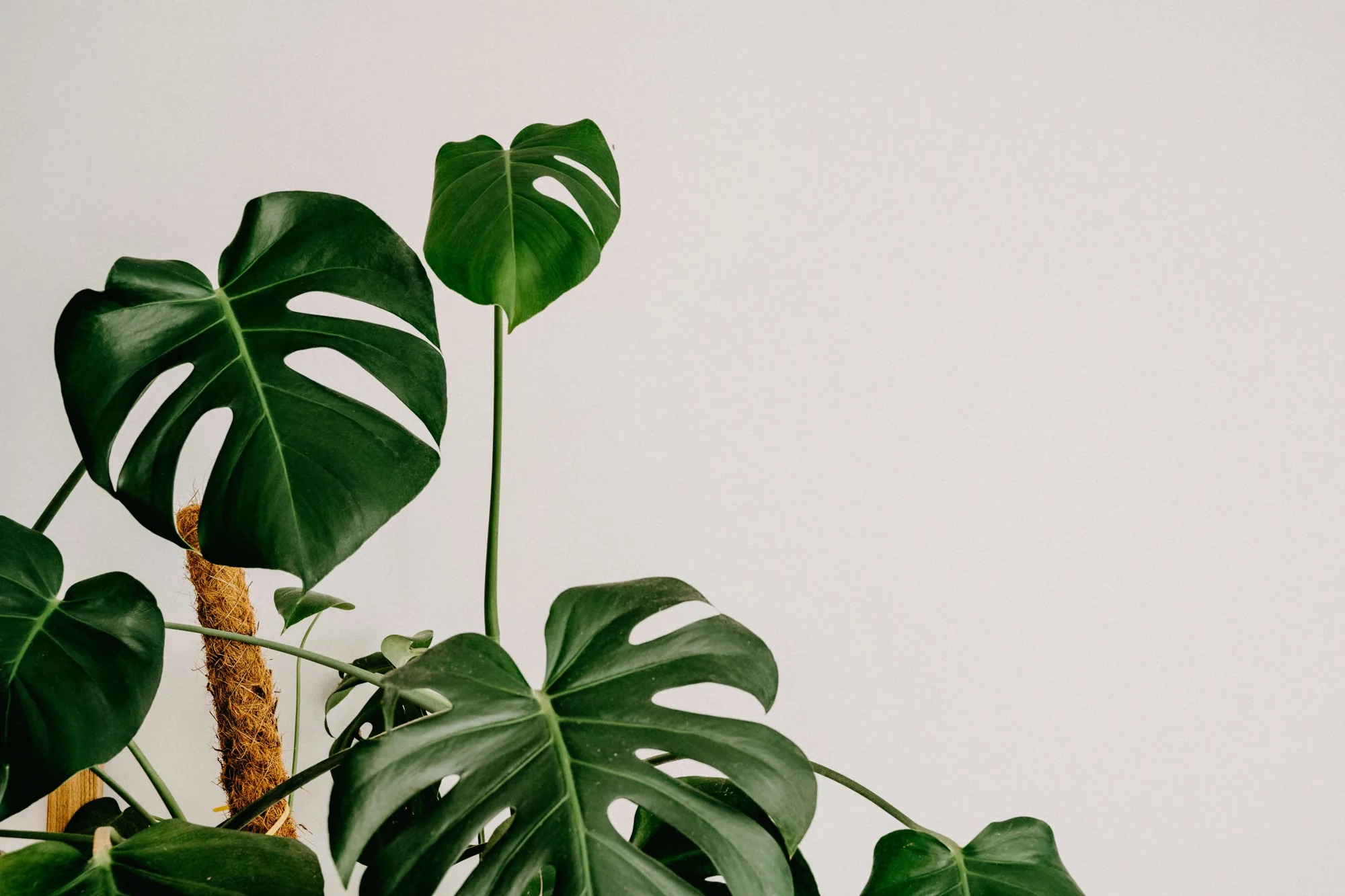
    Native to the tropical rainforests of southern Mexico down to Panama, this heavy-hitting aroid has spent the better part of a century dominating mid-century modern living rooms, botanical prints, and Instagram feeds.

    Read Article