Reflections
Living in the Gap—Pruning, Pausing, and Reclaiming My Space
Now Playing
Architects – Animals
Headspace
Steadfast, honest, actively choosing presence over past noise.

When you set out a tray of succulent leaves to callus over, you are making a conscious choice to focus on next month, next season, and the growth that hasn't shown up above the soil line yet.
There are seasons when life feels exceptionally loud—when stress builds up and your nervous system stays on high alert. When you've spent time operating in high-pressure or unpredictable environments, your internal wiring adapts to survive it. You learn to stay hyper-vigilant. You brace for impact.
But staying on guard and actively building a calm, grounded life are two very different disciplines.
To steady myself against the noise, I turned my attention to what I could physically touch, control, and cultivate. I immersed myself in the soil: repotting established plants, preparing leaf cuttings, arranging new additions, and bringing physical order to my immediate living space.
Living in the Gap
There is a concept in plant care called dormancy—a phase where outward growth halts, but vital structural adjustments happen deep inside the roots. In personal recovery and self-reflection, I've come to think of this as "living in the gap."
The gap is the space between an emotional trigger and your response to it. When you’re used to dealing with stress, the instinctive reaction is often immediate defense or tension. Lately, I have been using the deliberate, slow rhythm of plant work to catch myself in that space. When a wave of tension or old habit hits, I try to pause and examine it in real time—or unpack it retrospectively once the room is quiet.
- Is this reaction serving who I am building myself to be?
- Am I responding to old stress responses, or am I standing firm in my current reality?
Challenging those automatic behaviors takes practice, but every time you pause and redirect your focus, you are training your roots to hold firm in better soil.
"Eliminate the excess. Decrease the options. Decrease the distractions... Less options, more focus."— Matthew McConaughey
When you look at a plant that has been hard-pruned, you don't see a damaged stem; you see a living thing stripping away unnecessary foliage to redirect its energy into stronger, more resilient main stalks. McConaughey’s point hits the same truth: sometimes growth requires cutting away the noise so you can focus entirely on your core foundation.
Clearing the Table
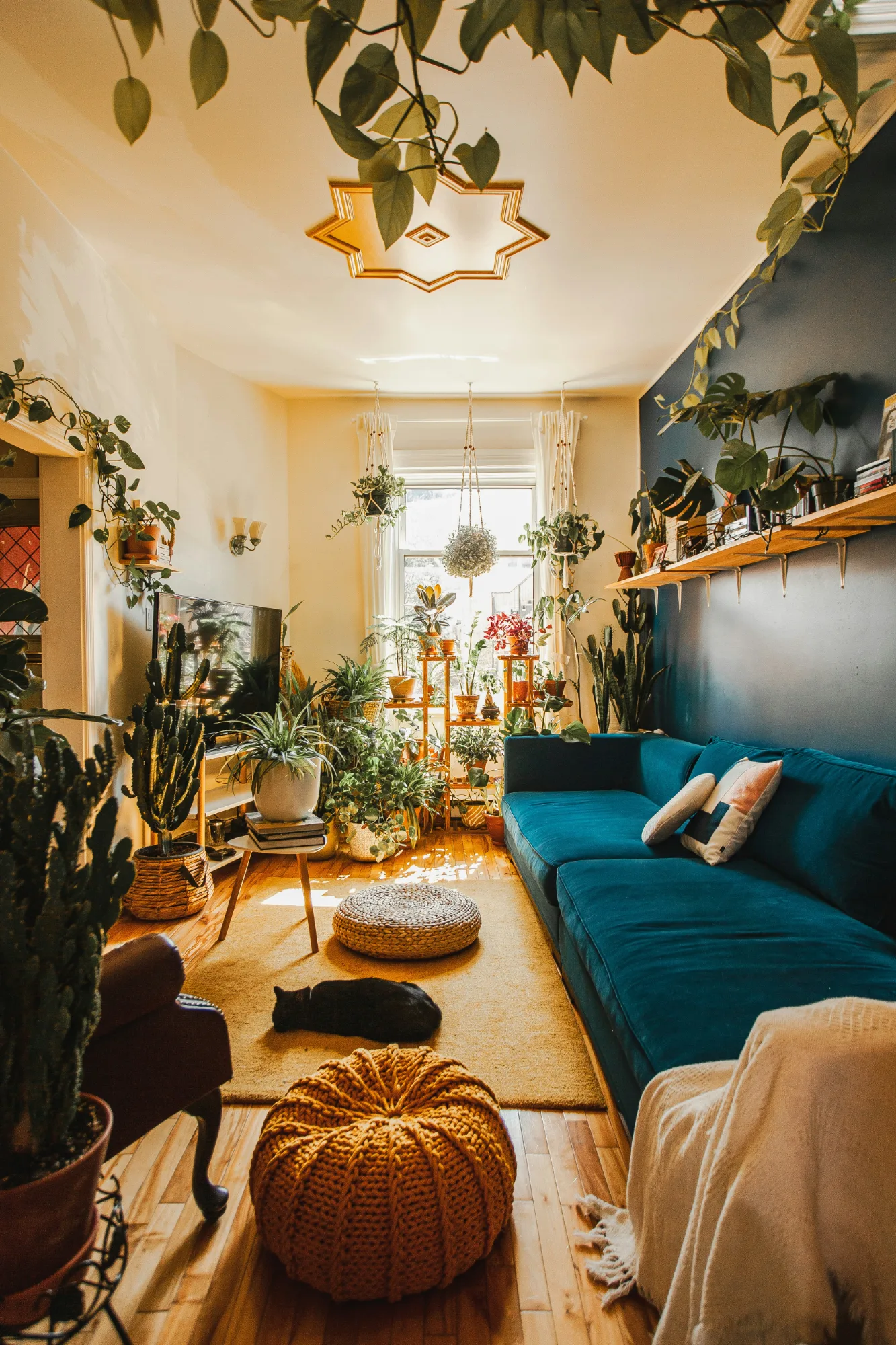
Getting my physical space in order was about more than just organizing a room—it was about creating a sanctuary. Clearing out physical clutter, setting up dedicated shelves for light, and arranging propagation trays gives the mind a predictable, peaceful environment to land on at the end of long days.
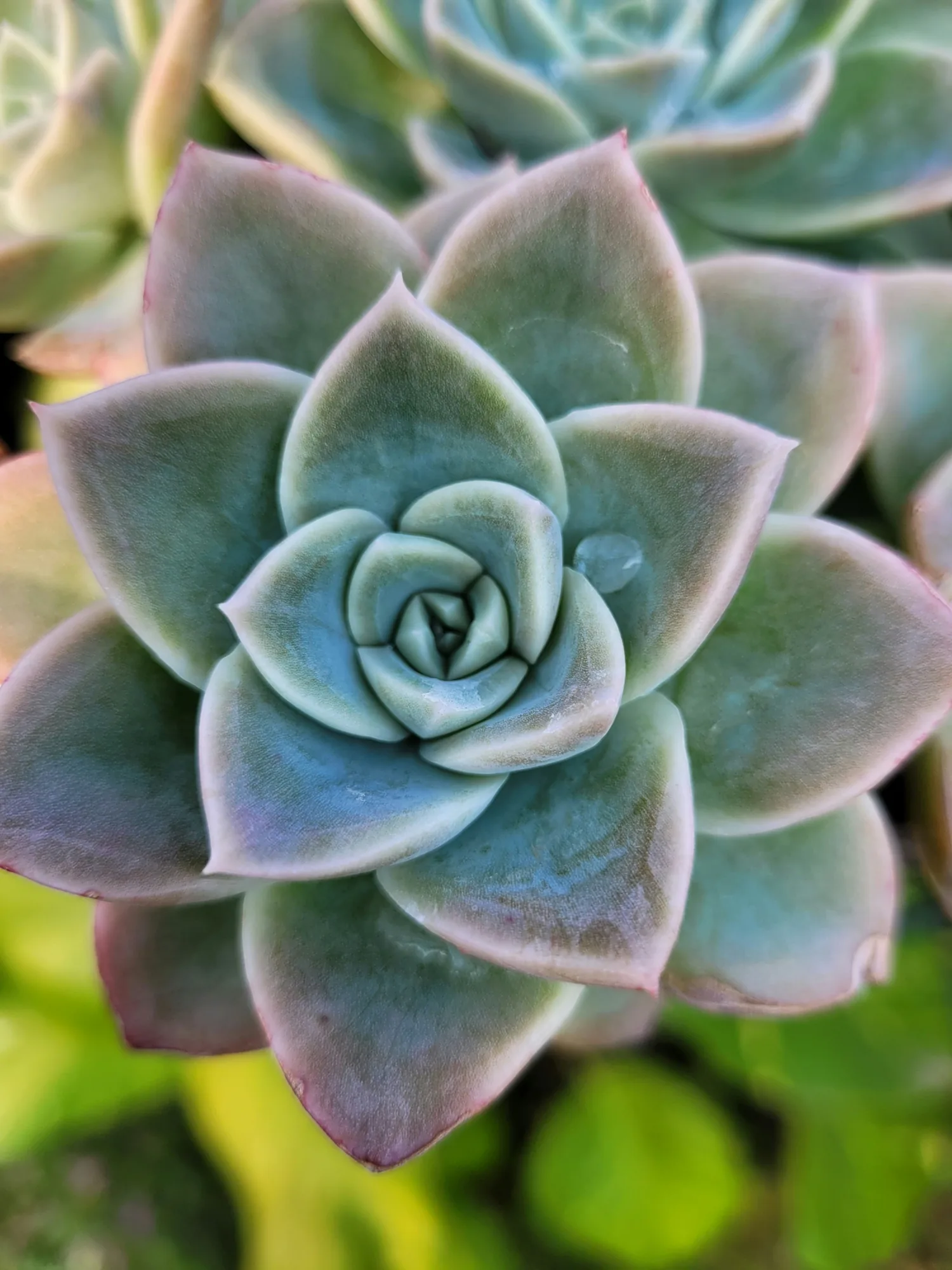
Working with new additions and preparing propagation stock provided something essential: a future-focused purpose. When you set out a tray of succulent leaves to callus over, you are making a conscious choice to focus on next month, next season, and the growth that hasn't shown up above the soil line yet.
Growth isn't the absence of hardship; it’s learning how to weather the storm without losing your shape.
Field Notes & Propagation Log
- Current Focus: Monitoring fresh leaf calluses on the propagation trays; keeping ambient humidity steady while avoiding overwatering during seasonal shifts.
- Reflective Note: Gratitude isn't about ignoring life's challenges—it's about refusing to let them occupy the entire room you live in.