Reflections
Unpacking the Wreckage - Accountability, Co-Regulation, and the Work
Now Playing
Architects - Seeing Red
Headspace
Honest, accountable, slowing down to build a safer harbor.
Recovery isn’t a straight line, and it certainly isn’t comfortable. Real emotional rebuilding starts when you stop running from the wreckage and sit down in the middle of it to take an honest inventory.
Recovery isn’t a straight line, and it certainly isn’t comfortable. Real emotional rebuilding starts when you stop running from the wreckage and sit down in the middle of it to take an honest inventory.
Lately, my mental and emotional focus has been centred on unpicking past patterns—distinguishing what was a survival instinct, what was a trauma response, and where my own accountability lies. Relationships are rarely black and white. It is easy to point outward at external friction, but carrying anger alone doesn't heal a room.
Part of moving forward means owning my share of the story.
Looking back, I stayed in difficult dynamics long past their expiration date under the belief that simply enduring was protecting my daughter. In reality, avoiding hard conversations and failing to hold firm, early boundaries didn't change the outcome, it just prolonged the storm. I carry the weight of lessons learned: the regret of not challenging things sooner, of not asking for help when I needed it, and of letting myself be worn down.
"You are who you choose to be." - The Iron Giant
I’s been revisiting a lot of the wholesome films I grew up on lately, introducing them to my daughter as a way to anchor our evenings in something grounded and good. The Iron Giant has been on my mind, a story centred entirely on the truth that regardless of how you were programmed, what environment you came from, or what damage was done, you always hold the power to choose who you become.
When a child is caught in the middle of shifting environments, they struggle to find their voice. I realized that my most important job right now isn't being reactive to outside noise; it's co-regulation. It’s about slowing down, showing grace, and holding a steady, quiet frequency at home. It doesn't instantly erase the pain or stress, but it breaks the emotion down into manageable chunks—for both of us.
Workbench Execution: Mass Division, Quarantine, & Substrates
Sitting with heavy reflections requires a grounded physical outlet. This week, I tackled a massive backlog on the plant bench—separating offsets, custom-blending substrates for different root types, managing pests, and restructuring shelf space.
1. Sansevieria Pup Division & Cinnamon Curing
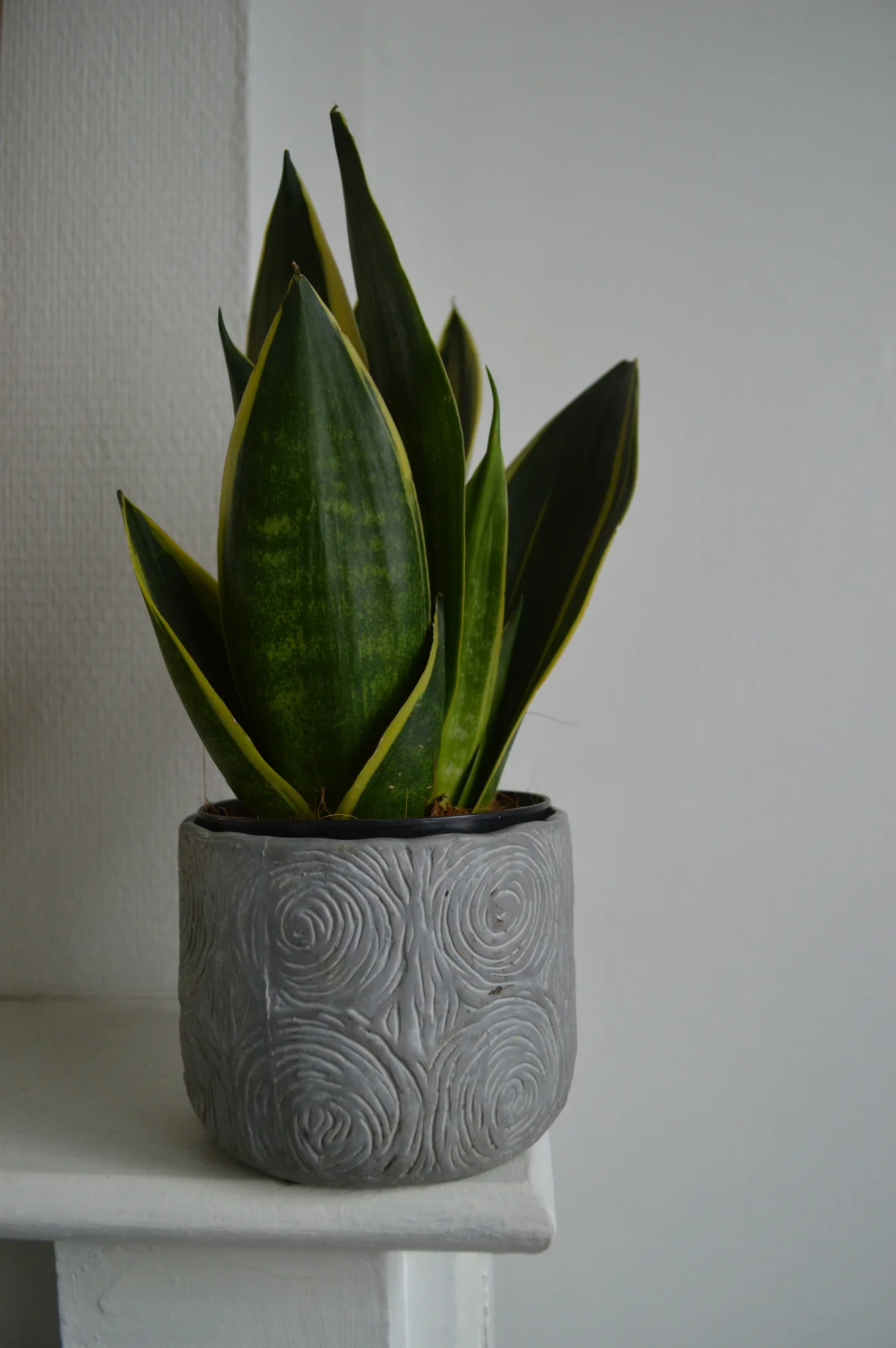
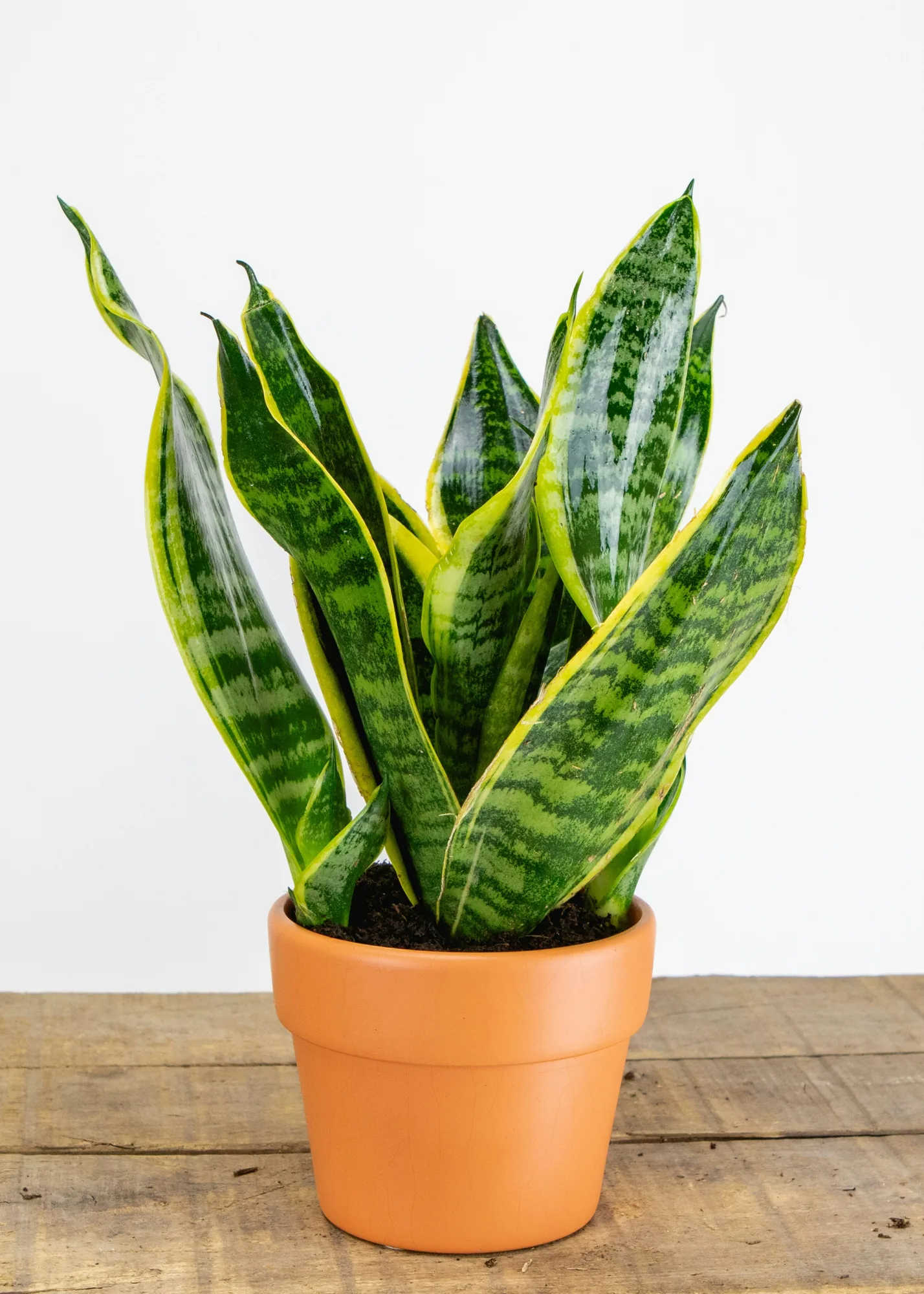
I picked up three new dwarf/architectural Sansevieria varieties: a Zebra Hahnii, a Variegated Hahnii (bearing the golden-edged hues of a classic mother-in-law's tongue), and a tall Skyline.
All three were packed with mature offsets (pups). I unpotted them and carefully sliced the rhizomes apart. To prevent bacterial infection or fungal rot on the open subterranean cuts, I dusted every wound with ground cinnamon—a natural antibacterial and antifungal agent that encourages clean callusing.
Between the three mother plants and their pups, this single session yielded 15 new individual plants. I potted them into a quick-draining, lean mix of cactus compost and high-ratio perlite.
2. Pest Management: The Alocasia Quarantine
While inspecting the collection, I spotted spider mite activity on my large Alocasia zebrina (Zebra Elephant Ear).
Pest management requires immediate isolation. Instead of treating the single leaf and chancing spread, I grouped every Alocasia I own into one dedicated quarantine zone. I thoroughly sprayed down all foliage—focusing on the leaf undersides and petiole junctions—with a neem oil solution.
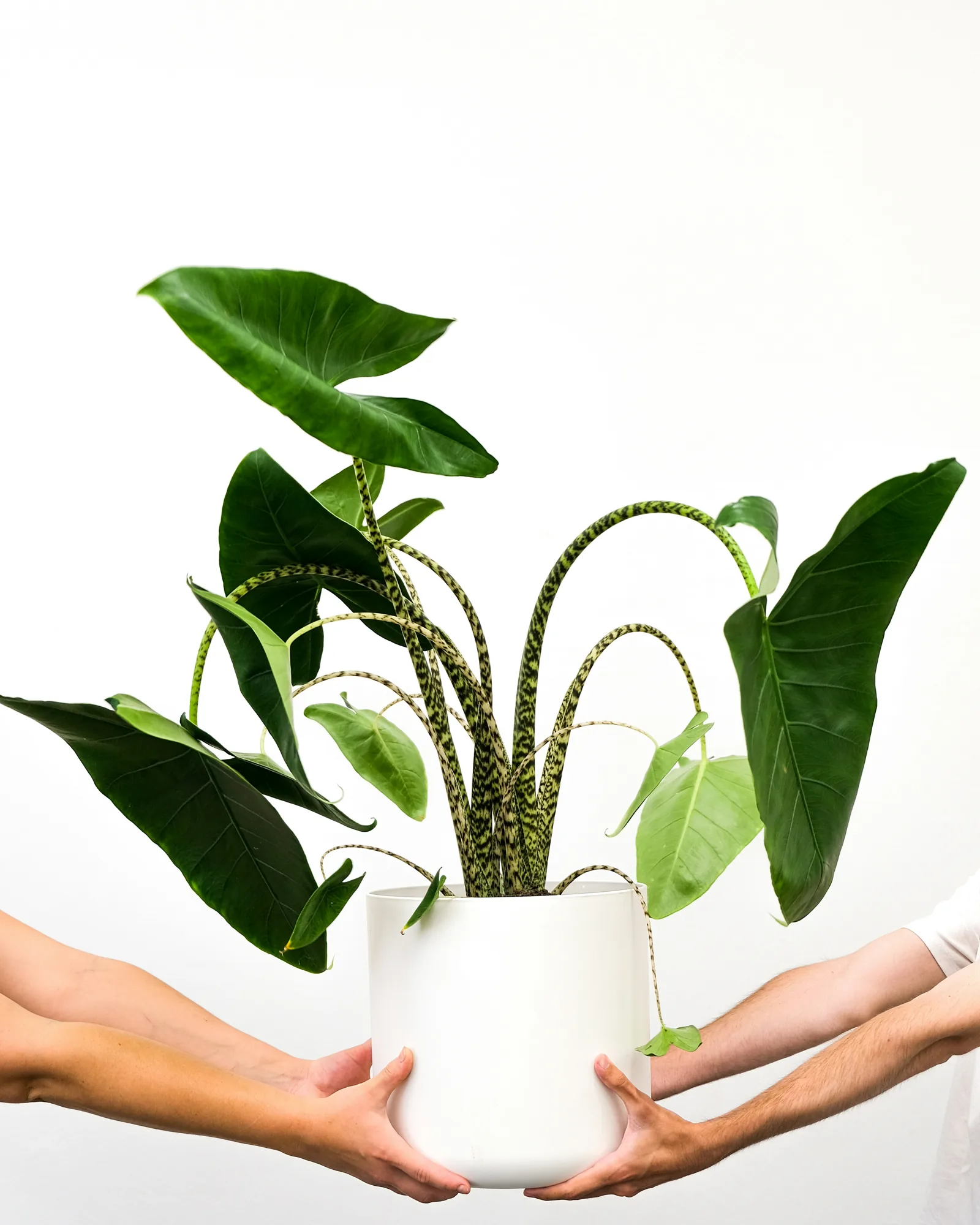
Alongside the pest treatment, I added a new Alocasia specimen to the group, potting it into a discounted bear-shaped cookie tin sourced during a shop trip—giving the foliage the look of a bold, spiky punk haircut.
3. Orange Spider Plant Rescue & The Foliage Trough
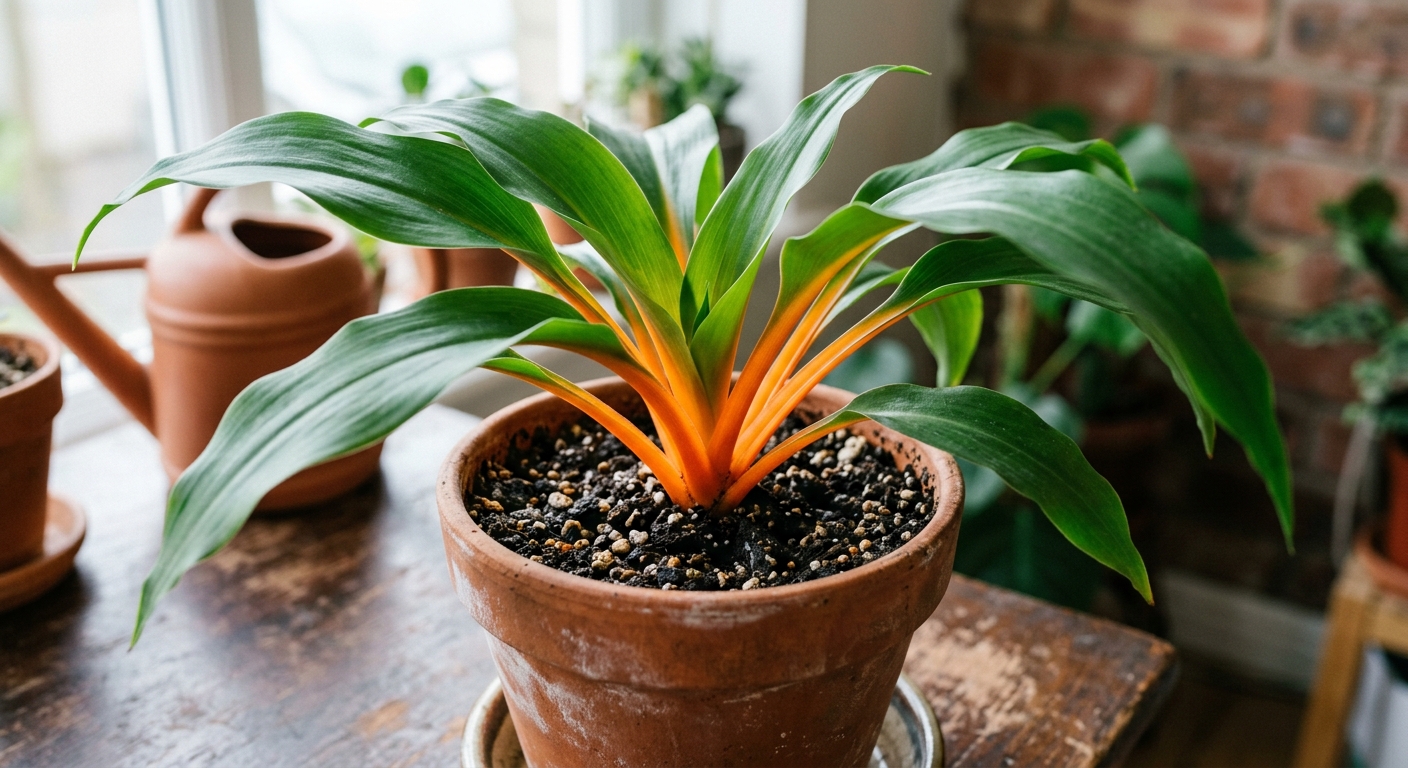
I tackled two neglected Chlorophytum amaniense ('Fire Flash' / Orange Spider Plants). They were root-bound and struggling in stagnant soil, so I separated them into individual pots with fresh, airy substrate. Given individual space and root aeration, smaller struggling plants will build far more impressive, mature structures in time.
To free up valuable shelf space elsewhere, I gathered every standard spider plant in the house, unpotted them all, and consolidated them together into a long plastic trough planter. Rather than managing a dozen small pots, planting them as a single dense cluster creates an immediate wall of lush, cascading foliage.
4. Anthurium Repotting
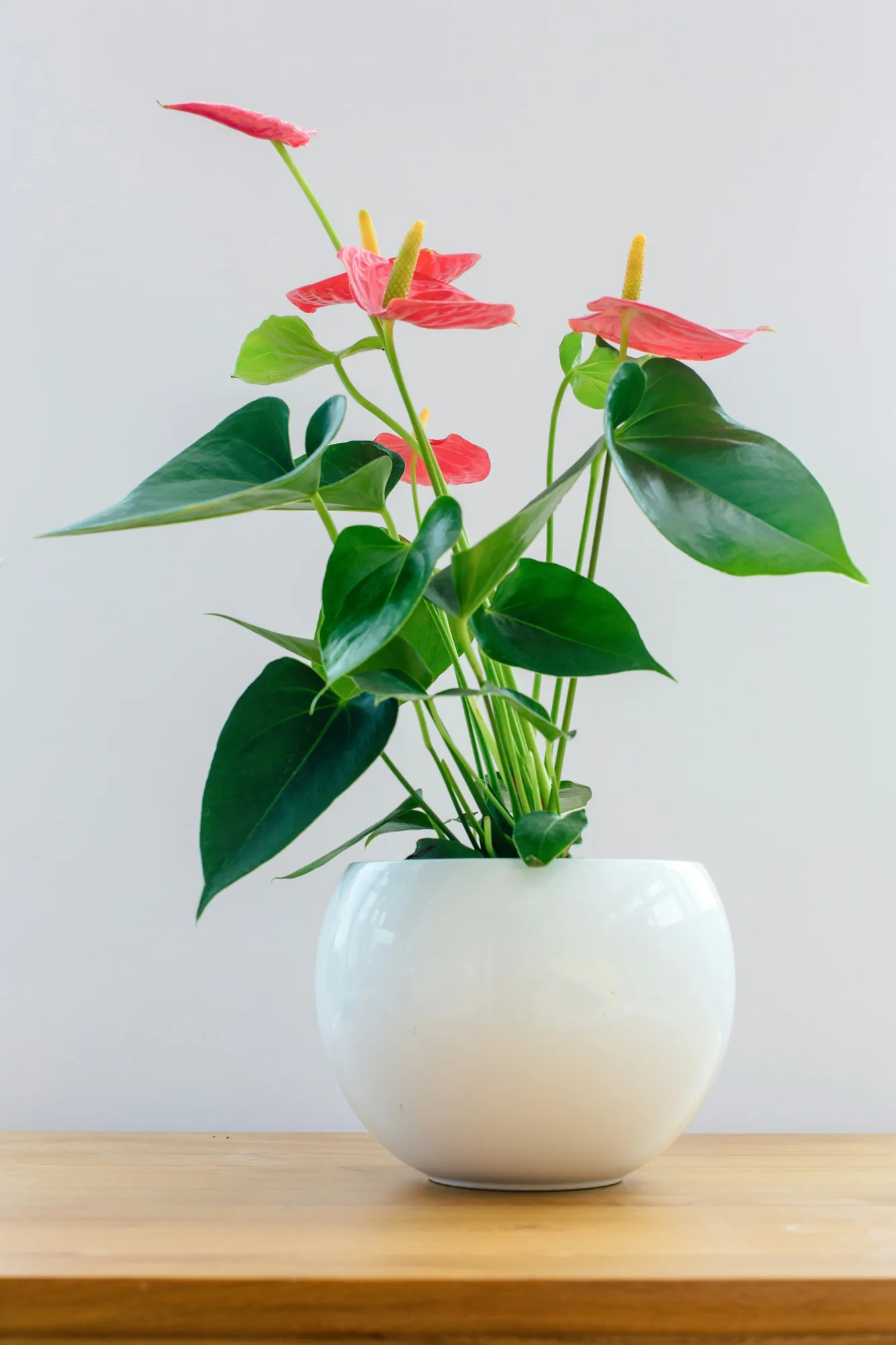
Lastly, I worked through a collection of neglected Anthuriums. Their thick, fleshy aerial-style roots hate compaction, so I potted them into a chunky, custom aroid substrate:
Sitting in the Space Between
Taking stage in your own life means accepting that you cannot rewrite the starting chapters, but you hold full ownership of how the rest of the book is written.
By holding firm boundaries, practicing daily co-regulation, and keeping the physical space clean and intentional, the atmosphere at home changes. The noise recedes, and the roots catch hold in better soil.
Field Notes & Propagation Log
- Sansevieria Curing: ~15 newly separated Hahnii/Skyline pups dusted with cinnamon at the rhizome cut; keeping substrate completely dry for 7–10 days until root callusing seals.
- Alocasia Neem Treatment: Full foliage wipe and neem oil spray across all grouped Alocasias; repeating treatment every 5 days to disrupt the spider mite life cycle.
- Spider Plant Consolidation: Consolidated multiple individual pots into a single long trough planter to maximize ambient foliage density and clear shelf real estate.
- Reflective Note: Grace isn't weakness; it's the strength required to stop reacting so you can start protecting what actually matters.