Reflections
Floating, Node Work, & Holding the Line
Now Playing
Four Year Strong – Analysis Paralysis
Headspace
Afloat, tired but steady, holding a firm perimeter.
Lately, the feeling has changed. I no longer feel like I’m going under. Instead, it feels like floating in an open sea. The water is vast, and the fatigue in my body and mind is real, but there is an invisible current beneath me moving things forward.
There is a distinct shift that happens when you move out of acute survival mode. For a long time, it felt like drowning—fighting constant waves, reacting to every splash, just trying to keep your head above water.
Lately, the feeling has changed. I no longer feel like I’m going under. Instead, it feels like floating in an open sea. The water is vast, and the fatigue in my body and mind is real, but there is an invisible current beneath me moving things forward. Surviving the storm is behind me; now it’s about outlasting the swell and steering toward a calmer shoreline.
A big part of navigating this phase is addressing what I used to avoid—cleaning up my immediate physical environment, clearing out clutter, and laying down clear, honest boundaries for my home.
Building a safe, resilient future for my daughter means refusing to get dragged into external conflict. It means running a parallel path—creating a peaceful, grounded alternative at home that she naturally gravitates toward. But being that safe anchor doesn't mean being passive. True parenting means wearing the heavy boots when needed—holding the line against testing behaviors, enforcing respect, and having honest, calm conversations about how we treat each other.
It isn't always easy, but standing firm on clean ground is the only way to build lasting trust.
The Workbench Execution: 50 Nodes & Desert Grit
Sunday was spent turning that intention into physical practice at the workbench. I cleared off the trays, washed down old pots, and organized the workspace to tackle a massive propagation and repotting session.
The Pothos Chop (50 Single Nodes)
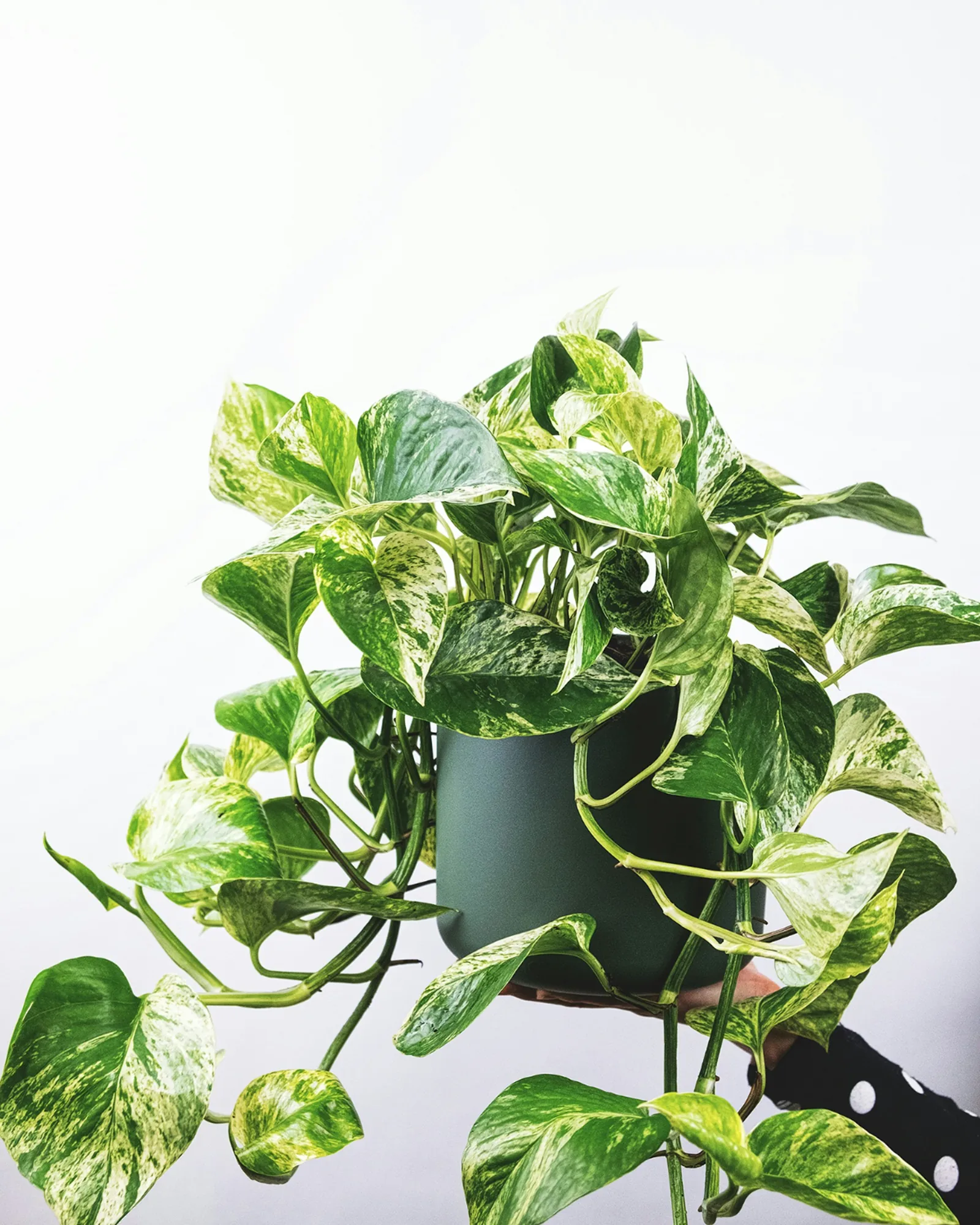
The massive, overgrown Golden Pothos was stripped down completely. Instead of leaving long, leggy vines with sparse leaves, I chopped the entire plant into approximately 50 single-node cuttings.
When a vine gets long and worn out, keeping it intact wastes energy. Chopping it into single nodes forces every individual leaf and root eye to wake up. Suspended in clean propagation setups, those 50 nodes will form the dense foundation of brand-new, lush pots in a few weeks.
Lithops & DIY Gritty Mix
I also potted a selection of Lithops (Living Stones) into a shallow bonsai tray. Lithops are native to arid, harsh environments—they hate rich, organic soil and will rot at the first sign of excess moisture.I mixed up a custom DIY Gritty Mix—heavily dominant in coarse pumice, perlite, grit, and minimal bark.
Potting Lithops requires patience. You sit them deep enough to anchor, top-dress with coarse stone, and resist the urge to water them. They thrive on neglect, lean conditions, and clear boundaries.
Corm Progress & Microclimates
The Alocasia corms tucking away in high-humidity propagation setups are making serious headway, pushing out their first solid root nubs. Meanwhile, I regrouped all mature Alocasias together into the bedroom microclimate, pooling their transpiration to keep ambient humidity consistently elevated without needing artificial foggers running constantly.
Clearing the Debris
Ending the day with a total clean-up of all pots, soil bins, and propagation trays was as important as the planting itself. Leaving dirt on the bench leaves mental clutter in the room.
You cannot build fresh growth on an unwashed workbench. Holding the line at home and holding the line on the plant bench require the exact same discipline: eliminate the rot, set up lean and honest conditions, and give things the quiet time they need to root deeply.
Field Notes & Propagation Log
- Pothos Node Trays: 50 node cuttings arranged in damp perlite/moss propagation boxes; keeping under gentle grow lighting with daily air exchanges to prevent stagnant mould.
- Lithops Care: Zero water applied post-potting. Allowing roots to settle into the gritty mix for at least 10–14 days before a light bottom-soak.
- Reflective Note: Holding boundaries isn't pushing people away; it's defining where safe ground begins.