Botanics
Plant Spotlight: Sansevieria and Dracaena - Architectural Mastery Indoors
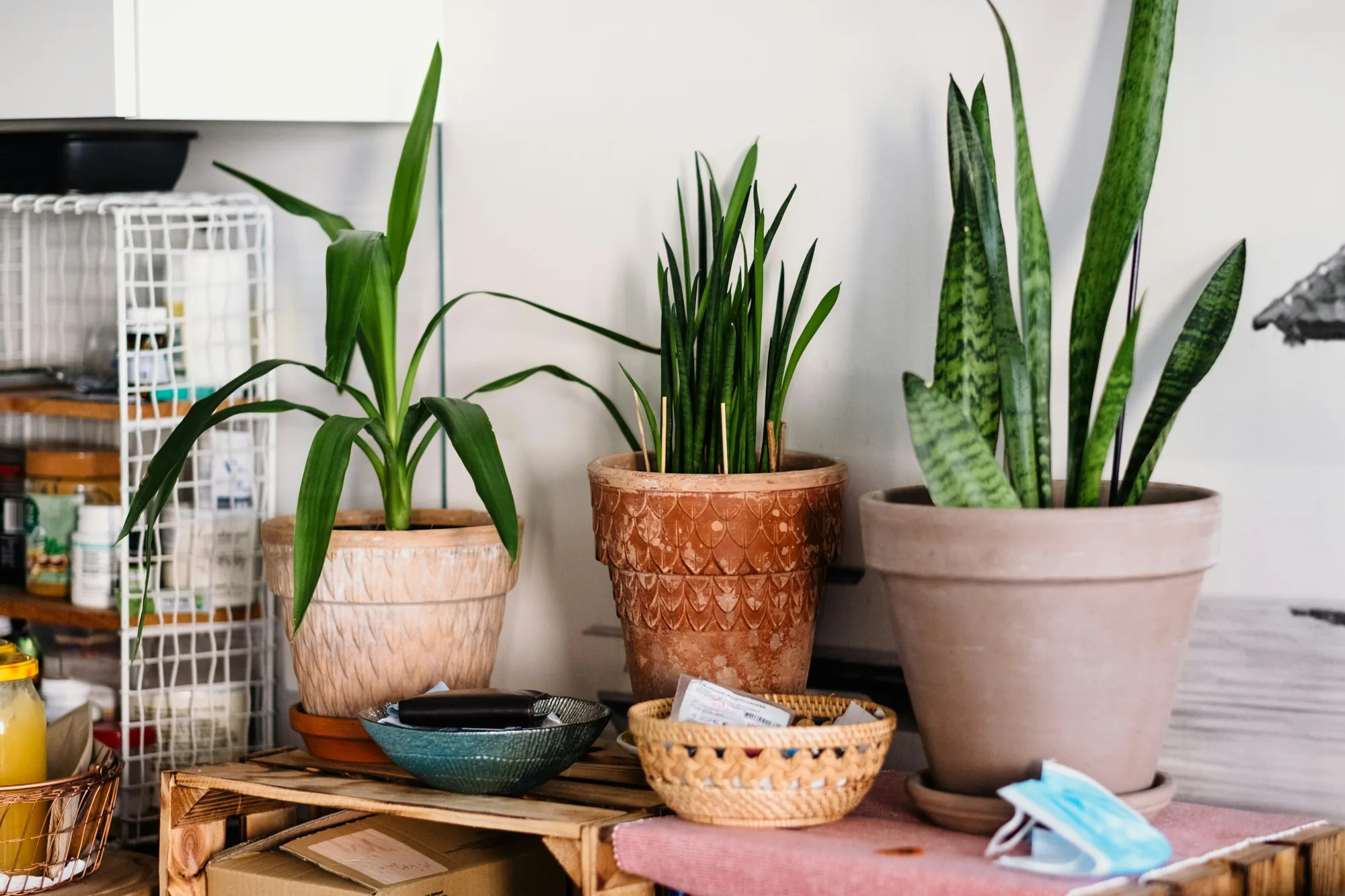
Whether you are looking for striking, upright sword-like foliage that tolerates neglect or elegant woody canes that anchor a bright corner, these plants are the ultimate definition of bulletproof botanical style.
Welcome to the first instalment of our weekly plant spotlight series! Today, we are exploring two powerhouse groups of houseplants that bring unmatched architectural presence to any indoor space: Sansevieria and Dracaena.
Whether you are looking for striking, upright sword-like foliage that tolerates neglect or elegant woody canes that anchor a bright corner, these plants are the ultimate definition of bulletproof botanical style.
Origins, Ecological Role & The Genus as a Whole
Spanning vast tropical and arid landscapes across Africa, Madagascar, and parts of South Asia, the Dracaena genus (which now encompasses all former Sansevieria species) represents a masterclass in botanical adaptability. Across their native habitats, ranging from blistering, semi-arid scrublands and rocky savannas to the dappled understories of tropical forests, these plants serve as vital ecological anchors. Their robust rhizomatous root systems and succulent or fibrous leaves stabilize fragile soils against erosion, while their unique CAM photosynthesis (in succulent varieties) and tough canopies create micro-habitats and shelter for local fauna during harsh dry seasons. As a genus, they are defined by extraordinary structural resilience, evolving specialized water-storage tissues and sturdy woody trunks or thick underground rhizomes that allow them to endure prolonged droughts and scorching heat.
When brought into your home collection, these plants bring an unbeatable blend of structural elegance and low-maintenance reliability. They act as living sculptures, offering sharp vertical lines, varied textures, and vibrant variegation that elevate any interior aesthetic. Beyond their undeniable visual appeal, they are famously forgiving for growers of all experience levels, thriving on a touch of neglect and adapting seamlessly to diverse indoor light conditions while quietly anchoring your indoor jungle with timeless grace.
Spotlight Species & Cultivars
The Architectural Succulents (Former Sansevieria Group)
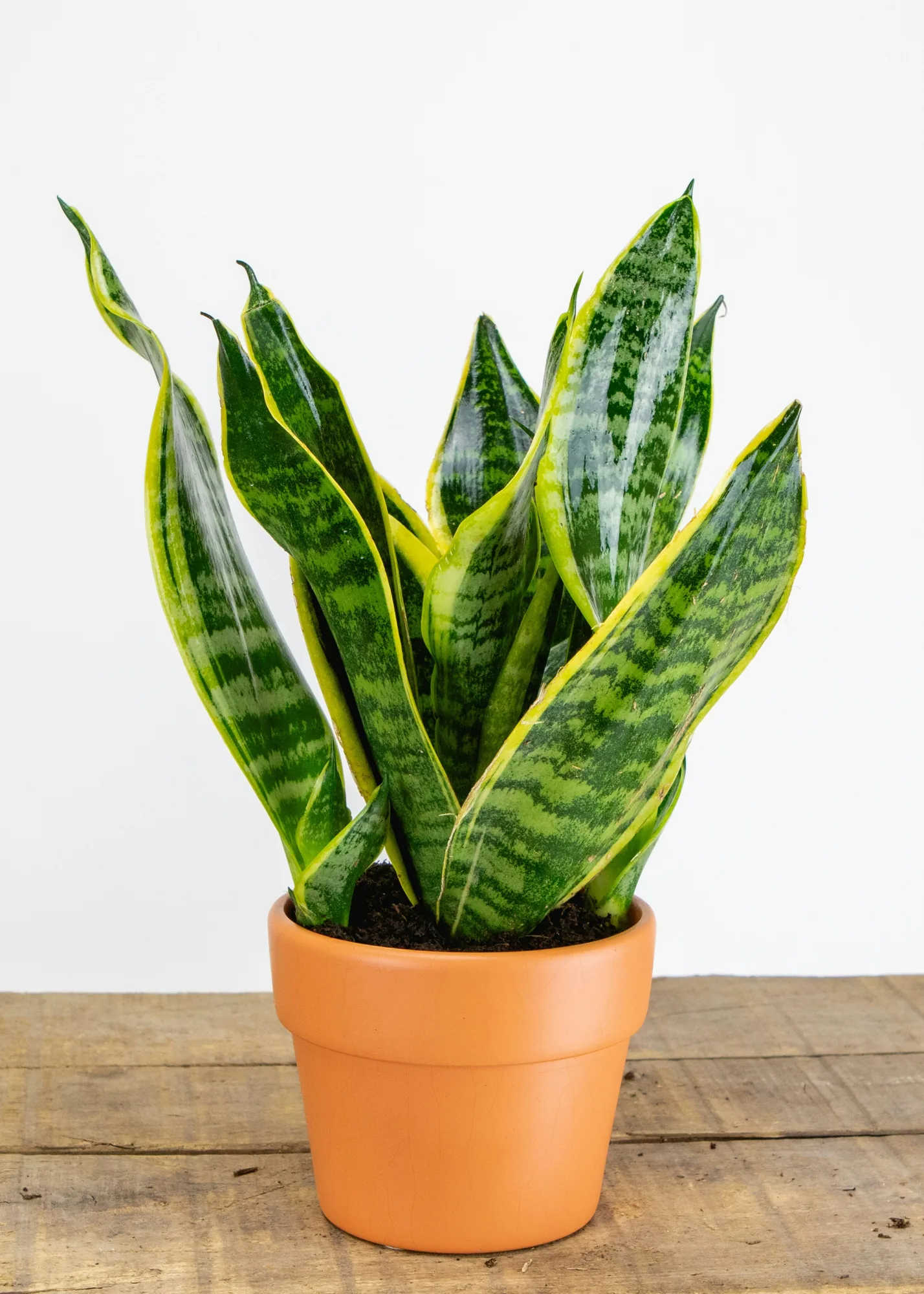
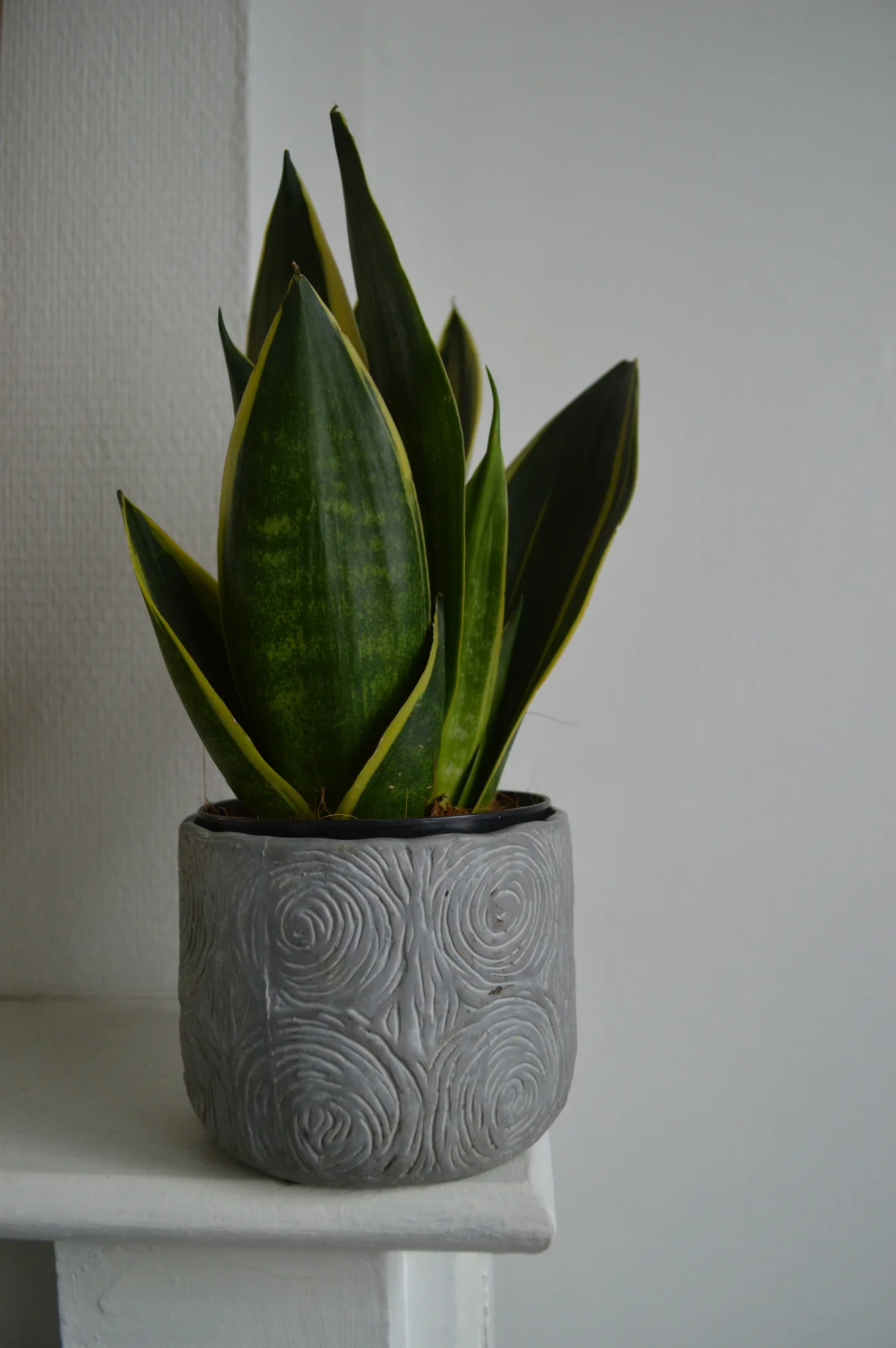
- Dracaena trifasciata (formerly Sansevieria trifasciata): The classic Snake Plant. Known for its stiff, upright leaves banded in deep greens and silvers. Cultivars like 'Laurentii' feature striking yellow margins.
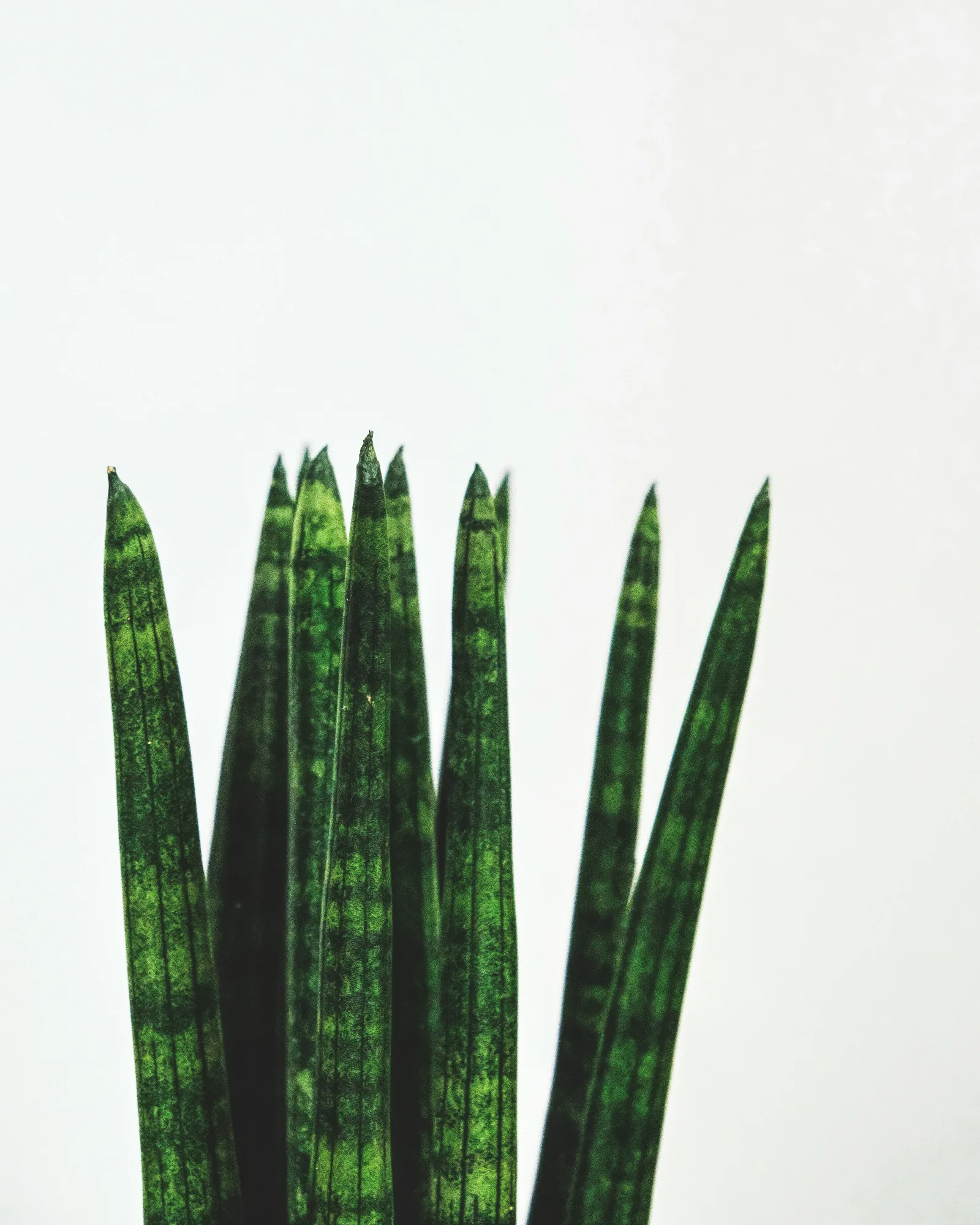
- Dracaena angolensis (formerly Sansevieria cylindrica): Features smooth, cylindrical, spear-like leaves that grow upright or can be braided when young.
- Dracaena hahnii: The Bird's Nest Sansevieria, forming tight, rosetted clusters that stay compact on tabletops.
The Woody Canopies (Traditional Dracaena Group)
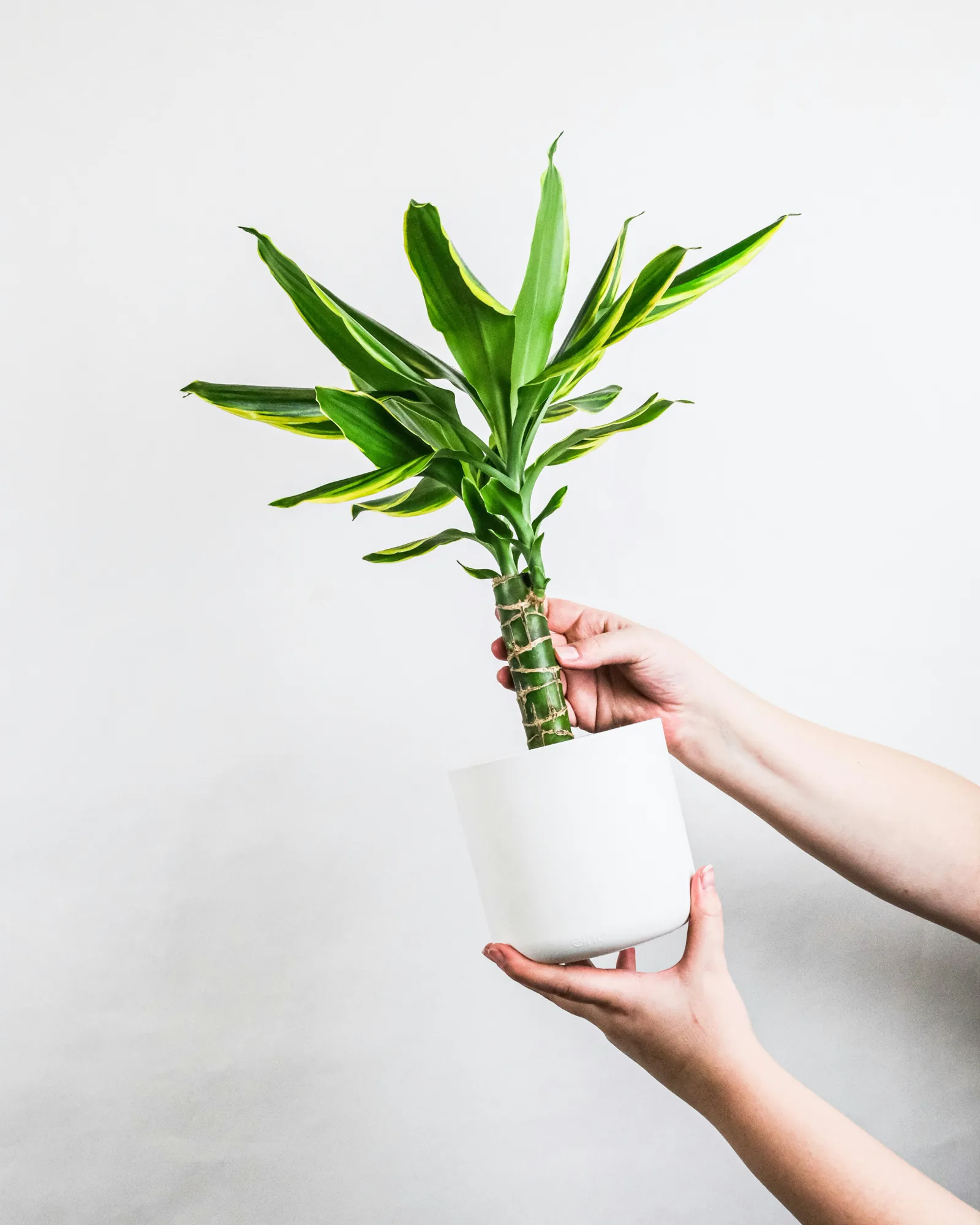
- Dracaena fragrans ('Massangeana' / Corn Plant): Valued for its broad, arching green leaves with a central yellow-green stripe atop sturdy woody canes.
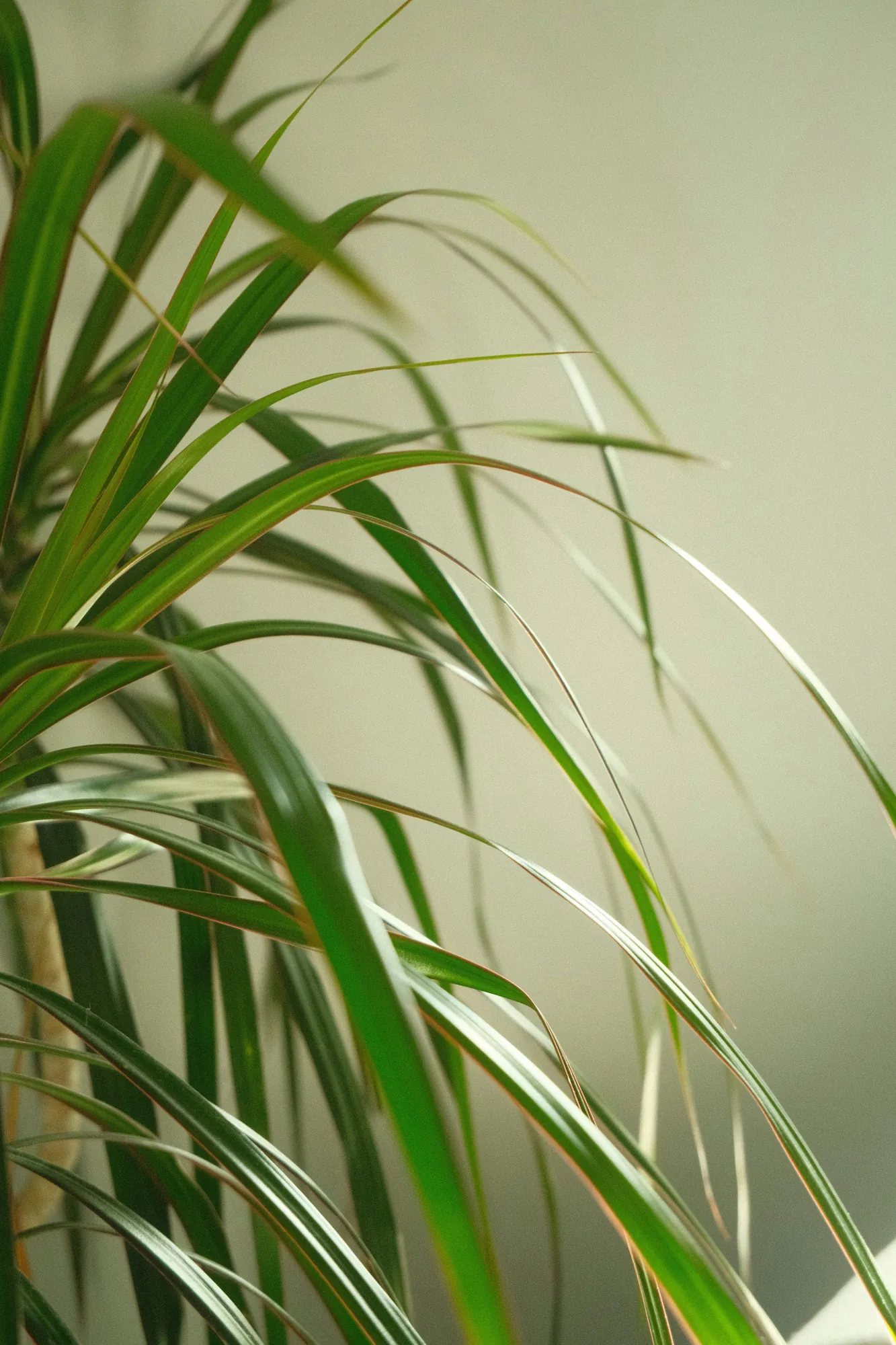
- Dracaena marginata (Madagascar Dragon Tree): Famous for slender, woody stems topped with narrow, sword-like leaves edged in vibrant red or purple.
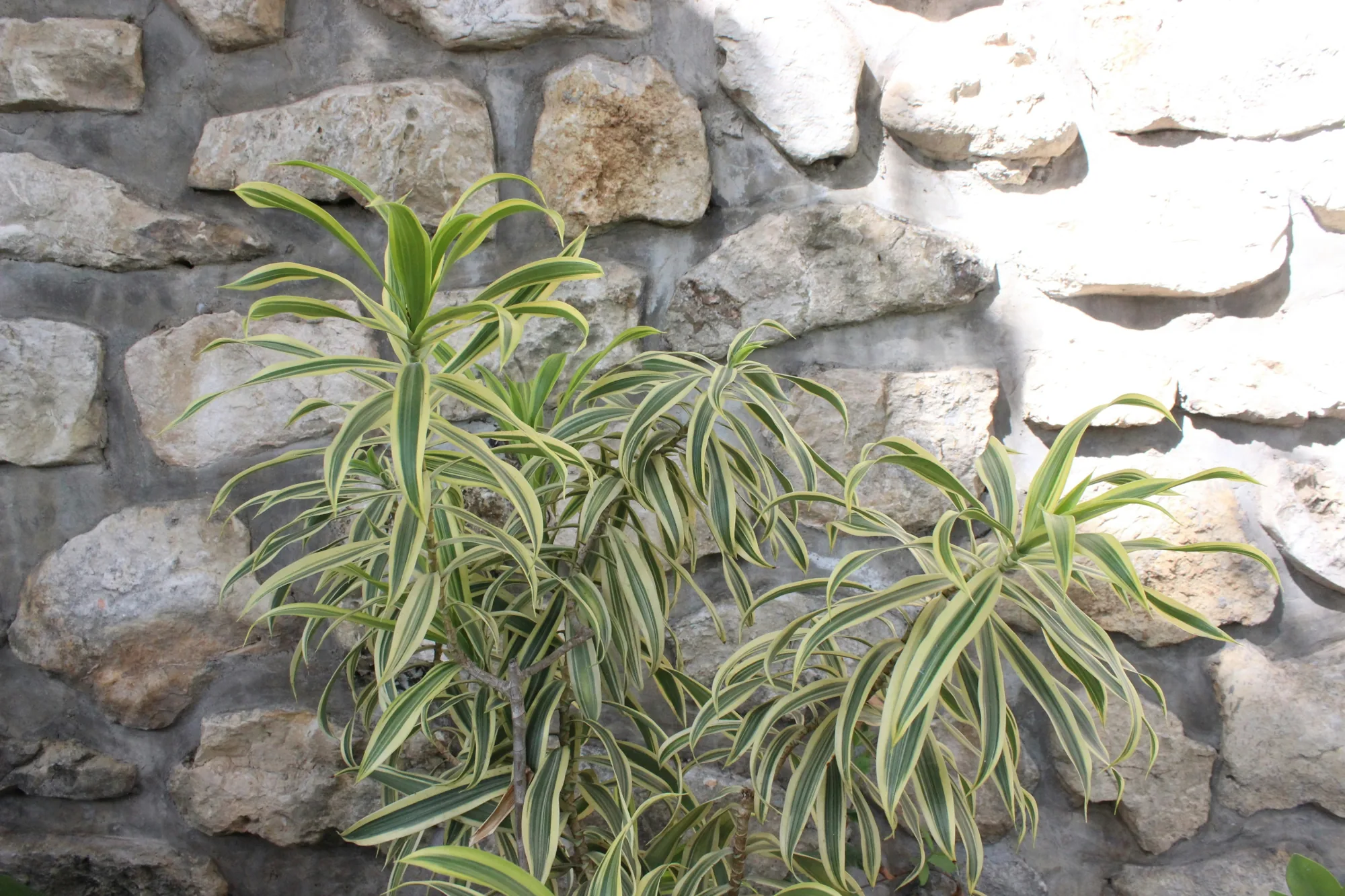
- Dracaena reflexa (Song of India): Known for vibrant, variegated lime-green and chartreuse foliage with a graceful, branching growth habit.
Substrate & Soil Requirements
Because both groups store water in their thick leaves, stems, or rhizomes, root rot is their #1 enemy. Standard potting soil holds far too much moisture and suffocates the root system.
Golden Rules of Care
- Light: Both groups thrive in bright, indirect light, but former Sansevieria varieties adapt remarkably well to lower-light office or hallway conditions. Traditional woody Dracaenas (like D. marginata) appreciate brighter spots to maintain vibrant leaf coloration.
- Watering (The Soak-and-Dry Method): Allow the potting mix to dry out completely to the bottom of the pot before watering again. During darker winter months, scale back watering significantly.
- Pots & Drainage: Always use a pot with a functional drainage hole. Terra cotta pots are fantastic for succulent-style varieties as they allow the soil to breathe and dry out much faster.
- Cleanliness: Wipe down broad leaves with a damp microfiber cloth periodically to remove dust and maximize photosynthesis.
Botanical Footnote: The Great Taxonomic Reunion
If you've ever wondered why your classic Snake Plant shares so many structural traits with your towering Dragon Tree, there's a fascinating scientific reason behind it. For decades, plant enthusiasts grew up knowing Sansevieria as a distinct genus. However, modern molecular phylogenetics and comprehensive DNA sequencing data conclusively proved that Sansevieria is actually nested directly within the genus Dracaena. Botanically speaking, every single Sansevieria is now officially classified as a Dracaena—though their bulletproof resilience and easy-care nature remain wonderfully unchanged!