Reflections
Taking Stock - Curating What Remains & Propagating What’s Next
Now Playing
While She Sleeps - SLEEPS SOCIETY
Headspace
Anchored, steady, choosing creation over conflict.
When you navigate periods of prolonged stress—especially when tied up in formal procedures, endless emails, and structured conflict—it is easy to feel as though your life is being defined by terms set by someone else. You spend immense energy responding, defending boundaries, and holding ground for the sake of those who depend on you.
This week brought its fair share of that weight. But when the formal conversations end and the room goes quiet, the real work begins: taking stock of what you actually have, and deciding what you choose to add to it.
Assessing the Foundation: What We Hold
In plant cultivation, taking stock isn't just counting pots on a shelf. It’s assessing root health, checking soil moisture, and evaluating whether an environment is actually supporting life.
Lately, I’ve been looking around my living space with that same clear-eyed inventory. Instead of focusing on what has been disrupted, I am choosing to focus on the solid foundation that remains—my health, my values, and the peaceful physical sanctuary I am building day by day.
To reinforce that foundation, I added a few structural anchors to the collection:
The Anchor (Sansevieria trifasciata / Snake Plant): A large, mature specimen that thrives on minimal intervention, standing tall and resilient regardless of atmospheric shifts.
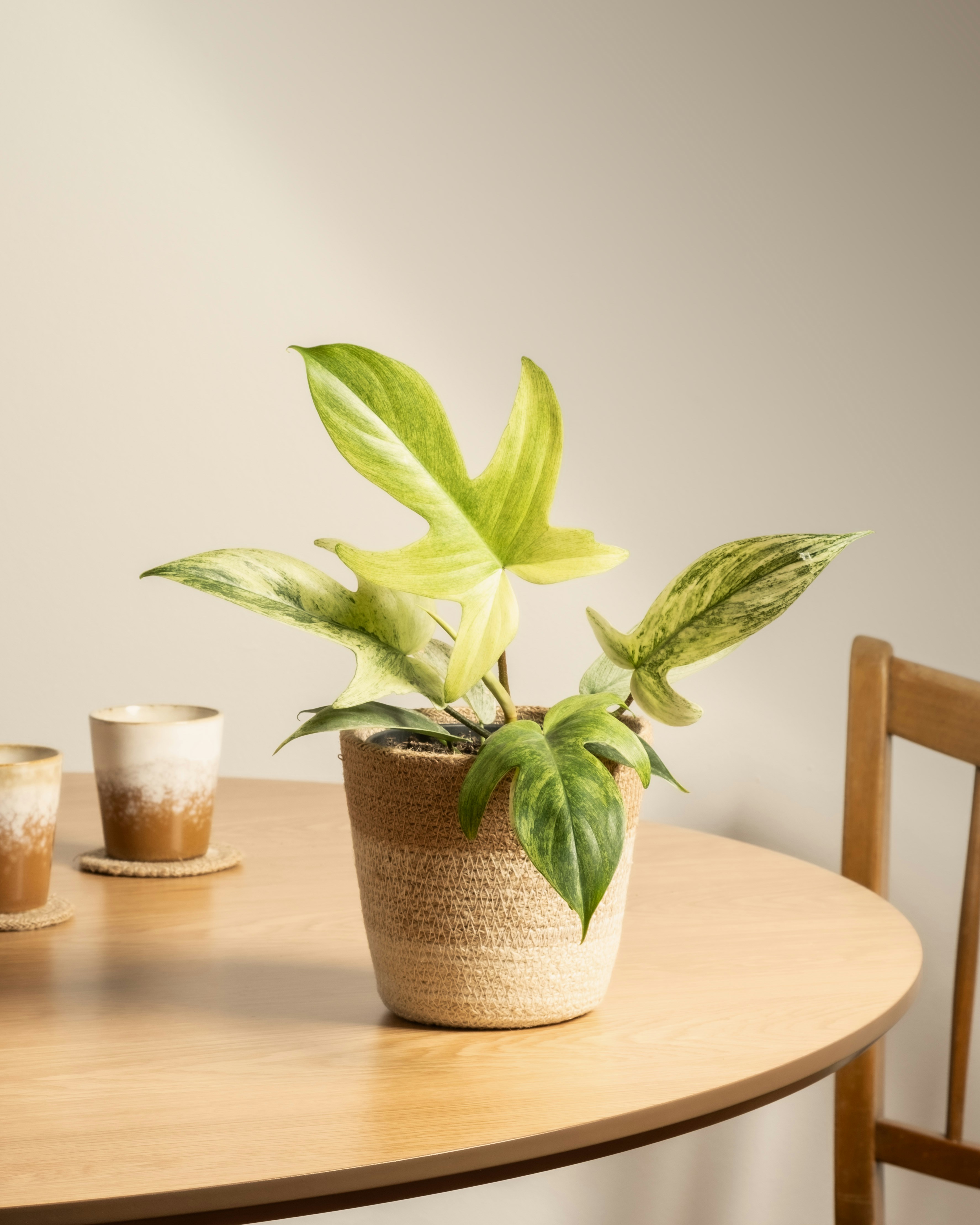
The Emerging Foliage (Philodendron 'Florida Ghost'): Known for its dramatic leaf unfurling—starting pale cream before maturing into a deep, steady green. A daily visual reminder that things transform over time.
The Dynamic Elements (Alocasia species): Plants that demand balance, proper drainage, and consistent care, teaching you to pay attention to subtle environmental cues.
##Propagating What’s Next: Corms & Leaf Cuttings
While adding mature plants establishes immediate structure, propagation requires an entirely different mindset: faith in the invisible process.
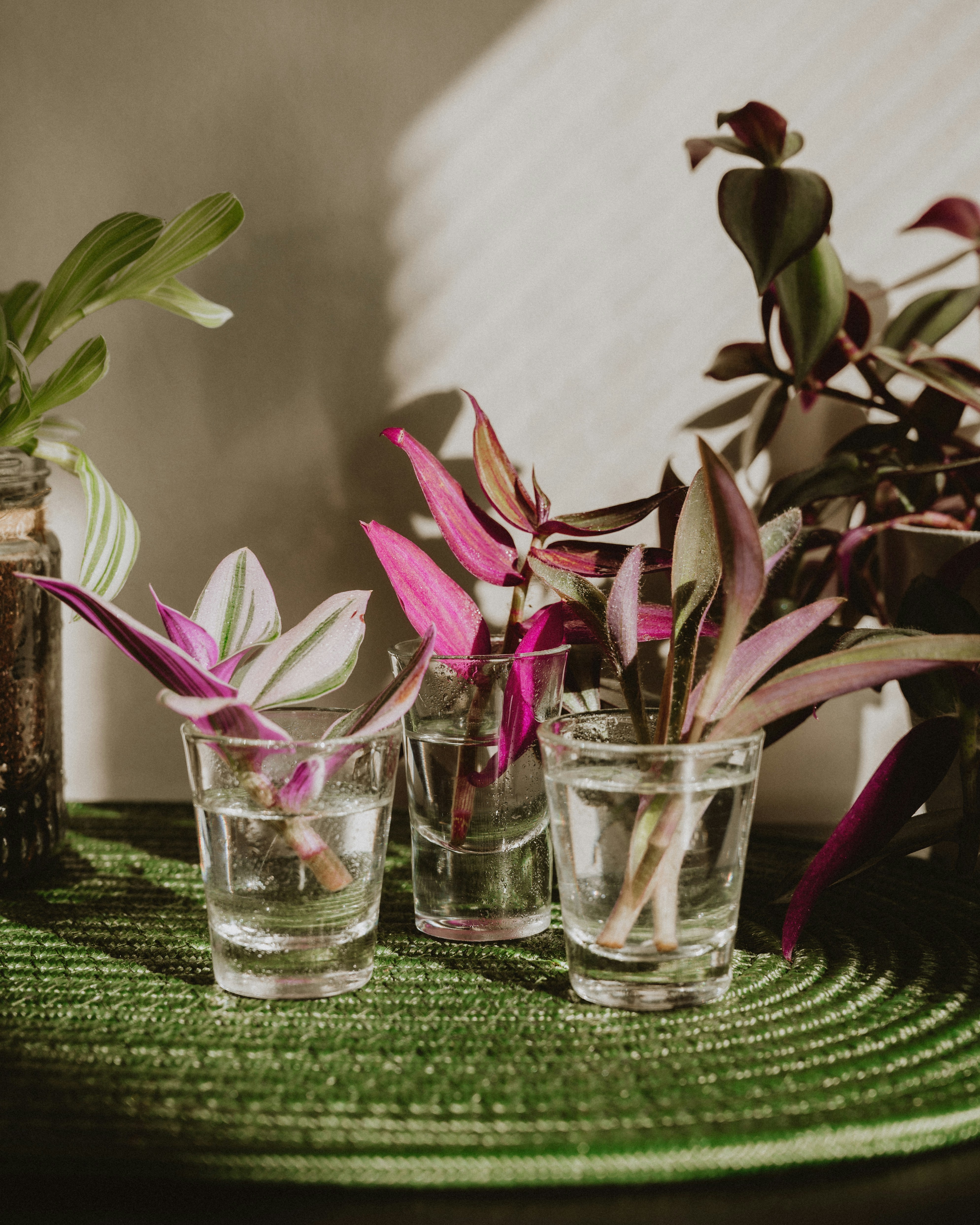
This week, alongside the noise of official correspondence, I set up a propagation tray for Begonia rex leaf cuttings, Begonia 'Sweetie Pie', and a cluster of harvested Alocasia corms.
If you’ve ever tried to grow an Alocasia from a corm, you know it looks like nothing at first. It is a tiny, hard brown node sitting in damp moss or substrate. There are no leaves, no visible stems, and no guarantee of speed. If you try to rush it, you rot it. The only way forward is to set up optimal conditions—warmth, humidity, stability—and step back.
Working with leaf cuttings and corms during a high-stress week provided an essential counterweight. It forced me out of reactive mode and into the slow time of plant biology.
You cannot argue with a leaf cutting to make it root faster.
You cannot hurry a corm into pushing its first leaf before its root system is ready.
##Choosing What Enters the Room
Living through difficult life transitions teaches you to be fiercely protective of your personal environment. You learn that peace isn't something you passively hope for—it is something you actively curate.
Every new plant placed on a shelf, every corm tucked into moss, and every decision to pause before responding to external noise is a vote for stability. It is a declaration that while external storms may blow past the window, the weather inside the house remains calm, intentional, and focused on the future.
Growth doesn't happen by fighting the wind; it happens by making sure your roots are anchored in good soil.
Field Notes & Propagation Log**
-Alocasia Corms: Nestled in shallow perlite/sphagnum under high ambient humidity; checking weekly for initial root nubs.
- Begonia Rex Leaf Propagation: Slitted vein cuttings laid flat on moist substrate; maintaining steady indirect light to encourage adventitious plantlets.
-Reflective Note: You don't have to attend every argument you're invited to. Save your energy for what you're growing.