Light
Reading a room before you buy a plant
6 min readBy Marisol Vane
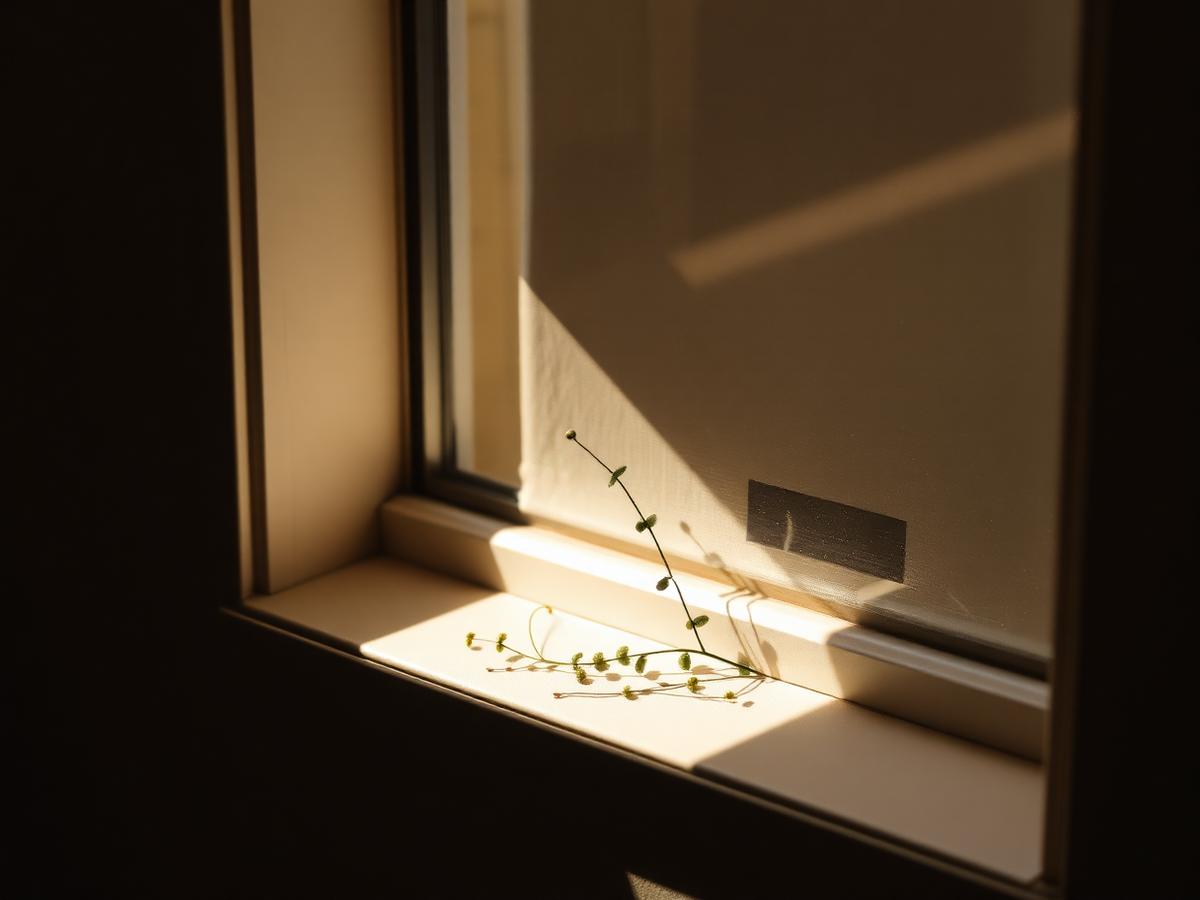
Before soil or species, learn the hours. Where does the morning fall, and how long does it stay?
Stand in the room first
Before buying anything, spend a week noticing where the light lands. Not where you imagine it lands — where it actually falls at nine, at one, at five.
Most disappointing plants are well-chosen plants in a misread room.
Light is not a mood. It is a measurable quantity, and it is the only variable you cannot improvise your way around.
A simple reading
Hold your hand a foot from the wall on a bright day. A crisp shadow with hard edges means direct sun. A soft grey shadow means bright indirect. No shadow at all means low light, whatever the room feels like to your eye.
Then buy the plant
Once you know the reading, the shopping becomes almost boring — in the best way. You are no longer buying a hope. You are matching a plant to a condition you have already confirmed.