Repotting
The year I stopped rescuing every plant I owned
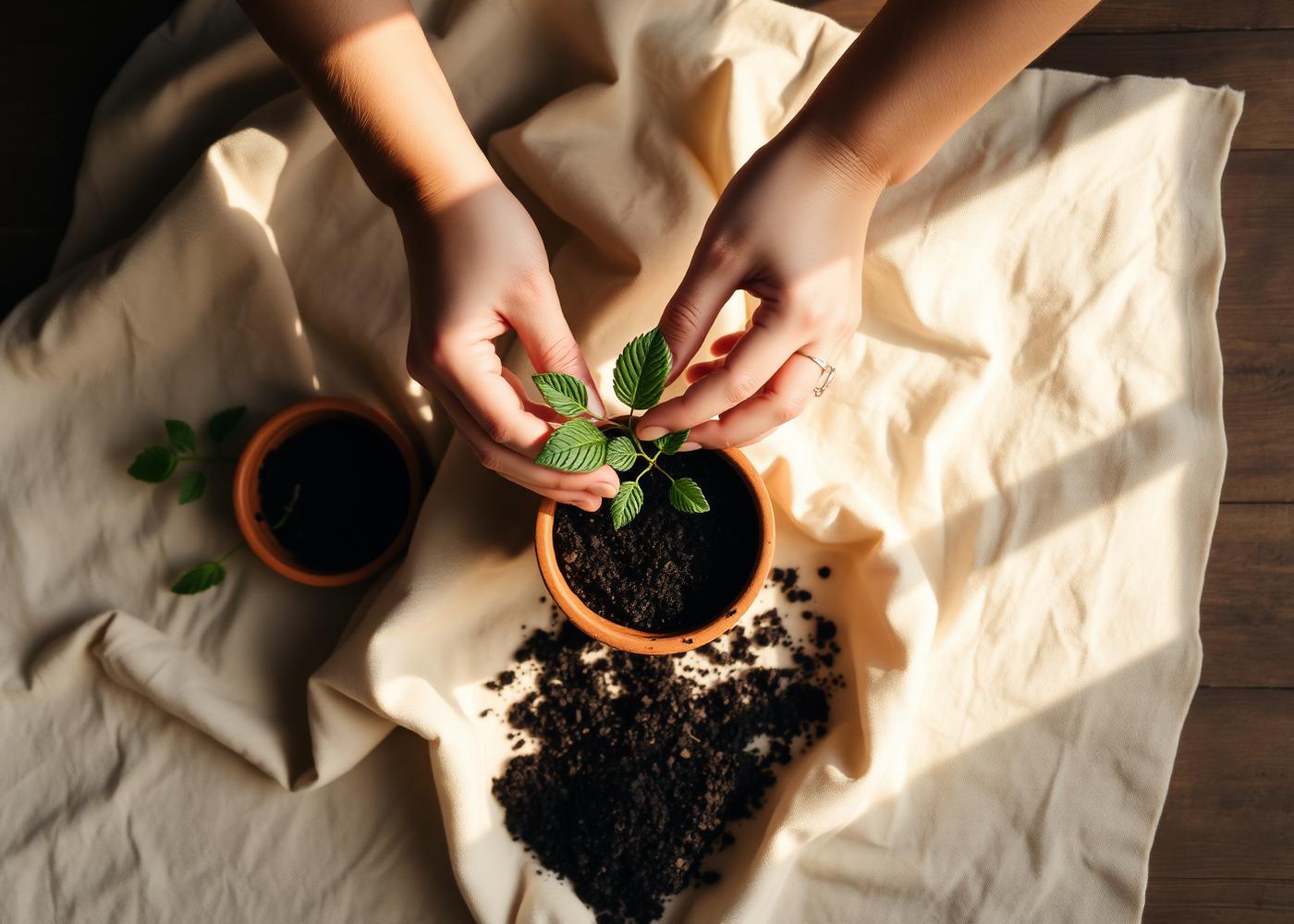
Somewhere between the fourth fern and the second failed calathea, I learned that care is not intervention. It is attention — noticing the leaf that turns, the pot that stays heavy, the corner that never quite warms.
The rescue shelf
For four years I kept a shelf for plants that were failing. It was the lowest shelf, nearest the radiator, and everything on it was there because something had already gone wrong: root rot, scorched margins, an aphid bloom I had noticed a fortnight too late.
I told myself the shelf was mercy. It was closer to bookkeeping — a place to put the evidence of my own inattention where I would not have to look at it directly.
A plant does not owe you recovery. It owes you nothing at all. It simply responds, honestly and slowly, to the conditions you have arranged around it.
What the Calathea taught me
The Calathea arrived crisped at every edge. I gave it a humidifier, a pebble tray, distilled water, and a full year of anxious attention. It produced two good leaves and lost five.
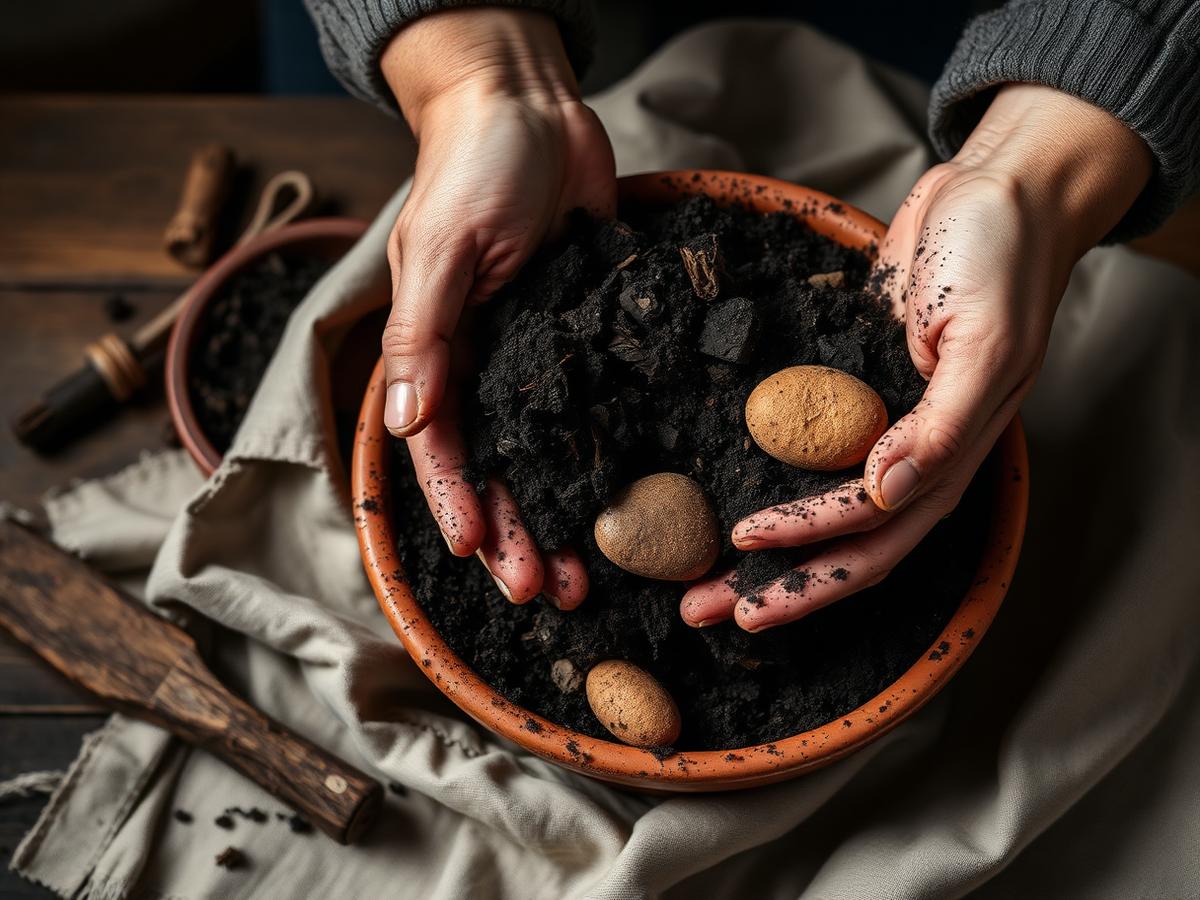
Somewhere in the second summer I understood that I had been treating symptoms in a room that was fundamentally wrong for the plant. No amount of care corrects for the wrong twelve inches of light.
The new rule
Now I keep one rule, and it has emptied the rescue shelf entirely: a plant gets one honest season in the best spot I can offer. If it declines through a whole season of good conditions, it goes to a friend with a brighter flat, or to the compost, without ceremony.
What replaced the shelf is quieter and, I think, kinder. Three plants I understand well, in three places I have measured across a full year. The room is calmer. So am I.