August 14, 20266 min read
Reading a room before you buy a plant
Before soil or species, learn the hours. Where does the morning fall, and how long does it stay?
Read Essay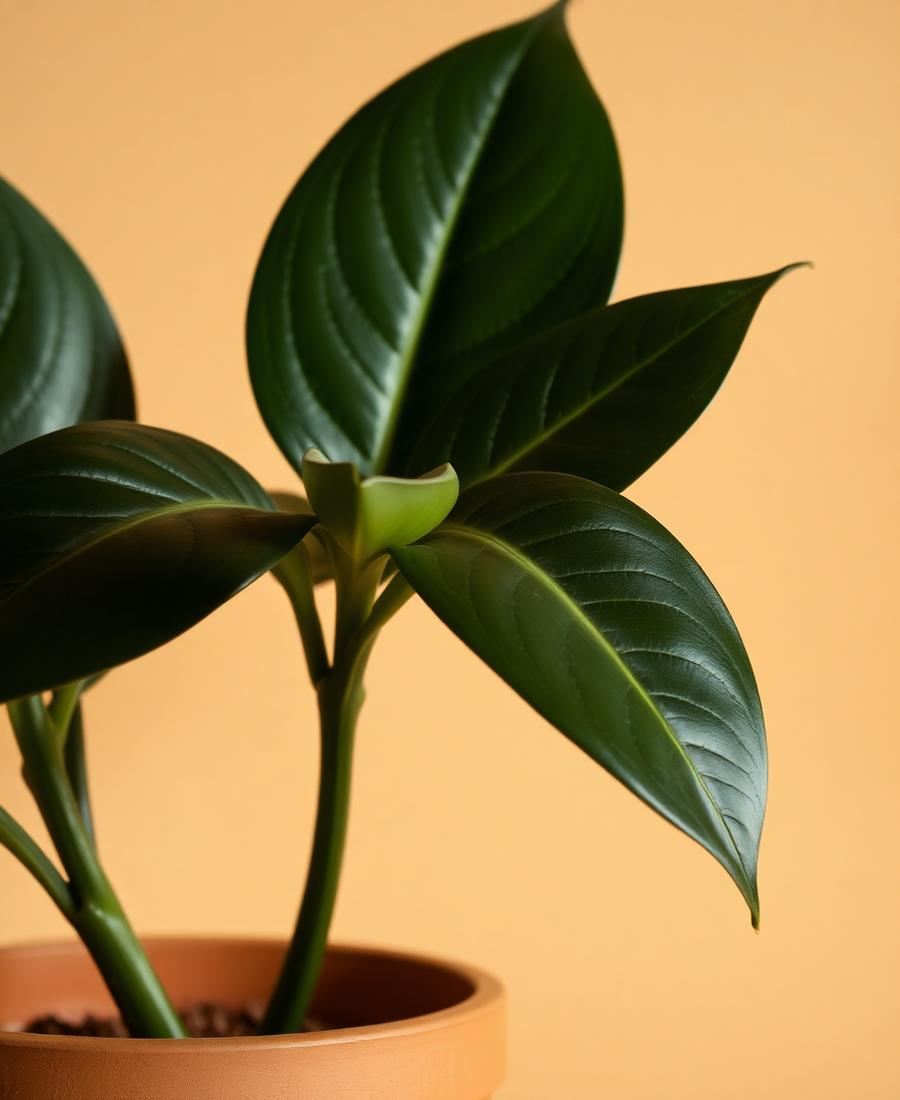
Ficus elastica
North-facing shelf, two feet back from the glass
Carried home in a paper bag from a small nursery in the valley, this specimen has kept the same corner ever since. It has outlasted two house moves and one badly timed repotting, and it still puts out new growth every spring.
Light
Bright indirect light; turn a quarter-turn each week for even growth.
Water
When the top inch dries — roughly every ten days in summer.
Subsoil / Pot
Unglazed terracotta, 18cm — bark, grit and loam in equal parts
Acquired
Spring 2022
Nothing here is a schedule so much as a habit. The routine below is what four years of watching this plant has taught us.
Watering routine
Water deeply, then leave it alone. Check the top inch weekly in summer, monthly once the light shortens.
Soil blend
One part bark, one part horticultural grit, one part loam — free-draining, never rich.
Dimensions
Roughly 70cm tall, 45cm across at the widest leaf.
A personal note
It is not a showy plant. It does not reward attention the way a calathea does, and it will never fill a room. But it is the first green thing we see in the morning, and there is something steadying about a plant that simply continues — through the dark months, the forgotten weeks, the moves. It has taught us more about patience than any book on the subject.
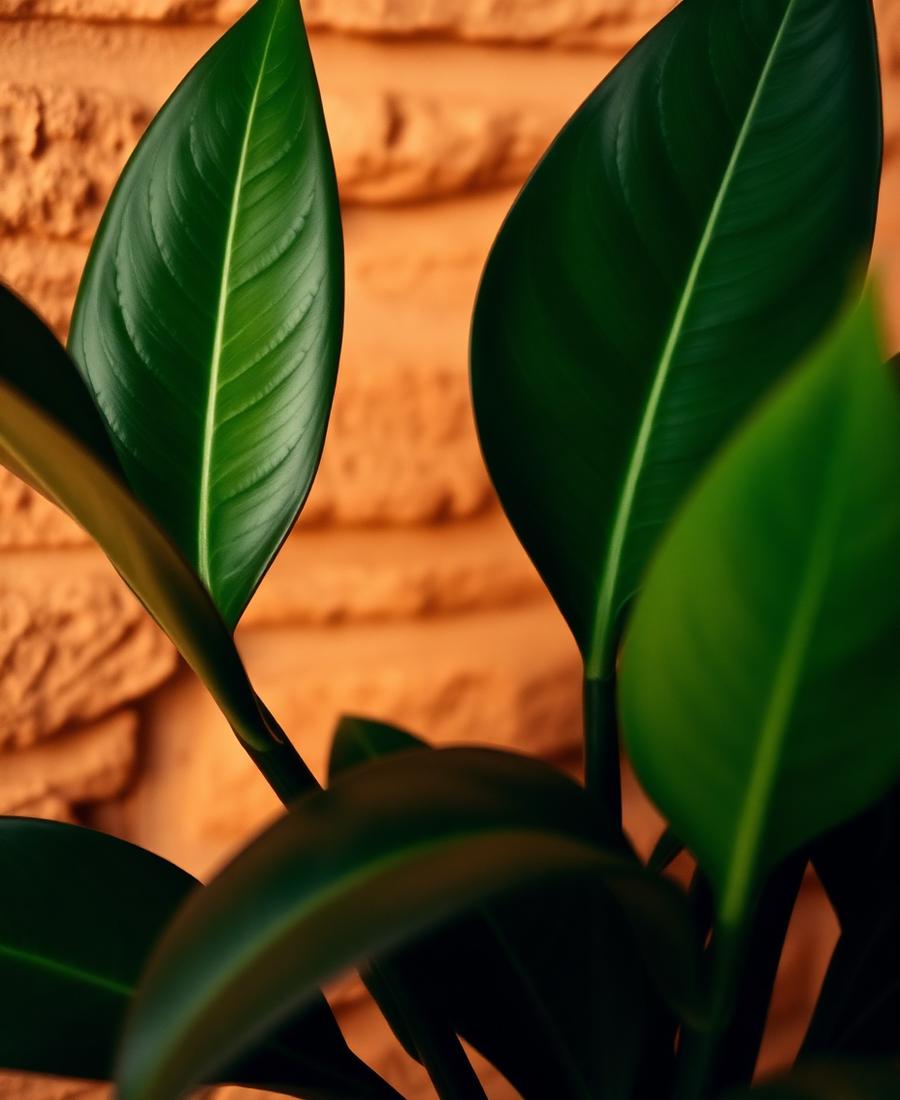
Spring 2022
Arrived home — four leaves, one of them already bent.
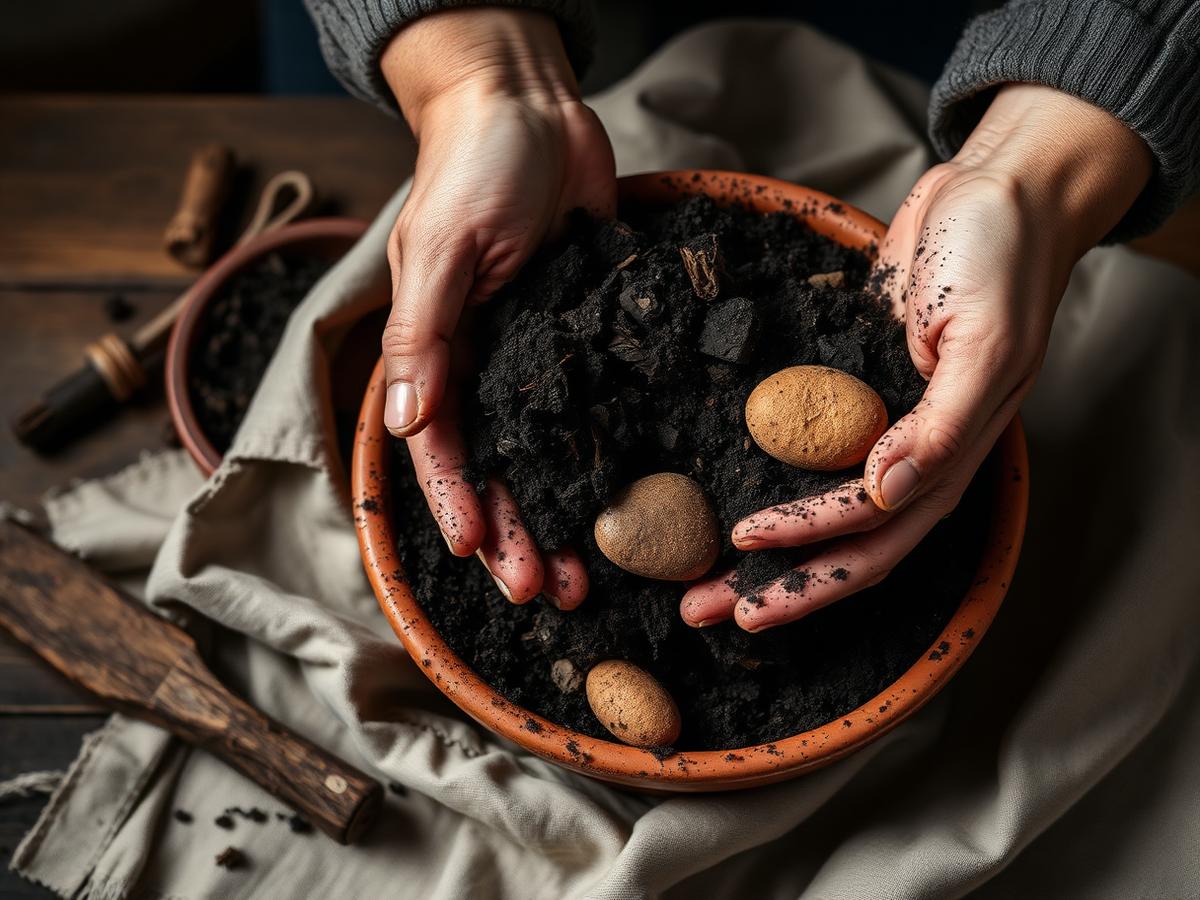
Autumn 2023
First repot into terracotta. Roots had circled the plastic twice.
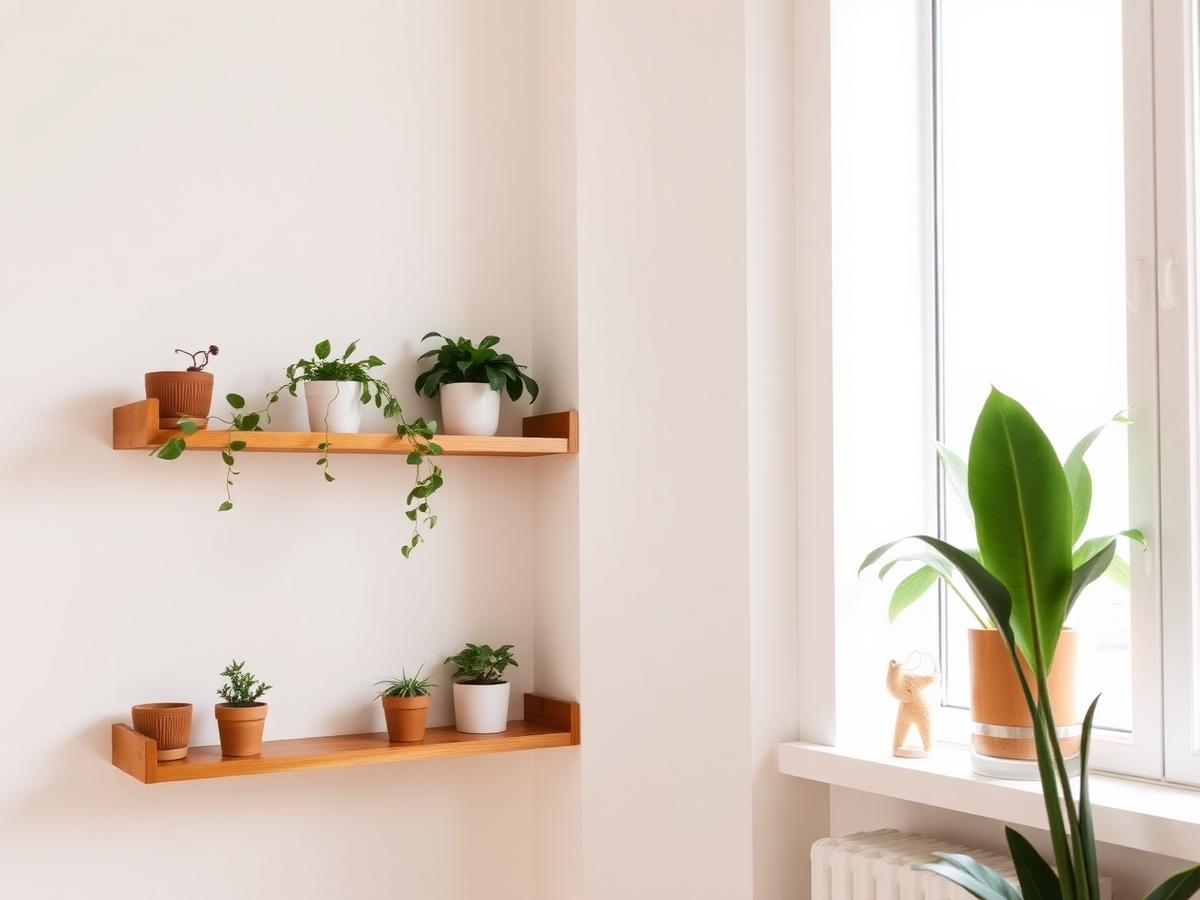
Summer 2025
Settled on the north shelf, where it has stayed ever since.
Swipe through the log →
Bi-Directional Journal
Before soil or species, learn the hours. Where does the morning fall, and how long does it stay?
Read EssayA year of small entries turns guesswork into something close to intuition.
Read Essay