Back to Collection
Kura Kura Plant — Labisia obtusifolia

Kura Kura Plant

Labisia obtusifolia

Family · Primulaceae

Also known as · Velvet Labisia or Turtle-Back Labisia

ThrivingLiving Room

I acquired this Labisia obtusifolia, affectionately known as the Kura Kura plant, on the exact same day as my rabbit's foot fern, picking both up during the same trip to Mains of Drum. Having been sourced alongside a significant watch-list specimen on a personally meaningful day, it naturally shares that same quiet, grounding origin story.

Plant Type
Prayer Plants and Foliage
Light
Bright Indirect
Water
Consistently Moist
Soil Mix
Moisture-Retentive / Humus Mix
Pot Type/Size
6" Plastic Pot inside a decorative glazed Plant Pot
Acquired Date
October 2026

Personal Note

Personal note on Kura Kura Plant

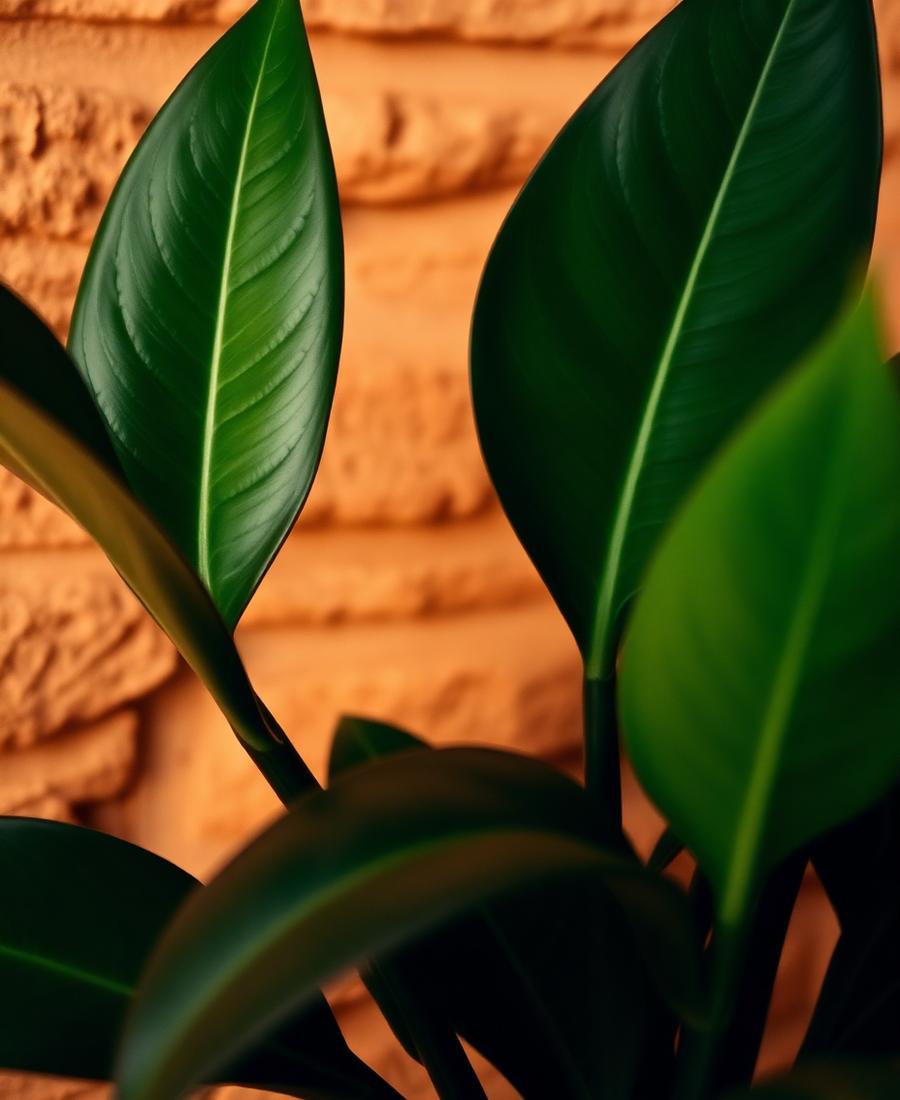
What immediately drew me to this plant was the uncanny, striking resemblance between its quilted, patterned leaves and the intricate shell of a turtle, a visual detail that makes its common name feel completely fitting. Rather than tucking it away with typical moisture-lovers, it has carved out its own dedicated spot on the shelf right alongside my Euphorbia collection, where its rich, organic forest-floor patterning provides a wonderful textural contrast to their architectural forms.

Care & Environment

Native to the humid, shaded tropical rainforest understories of Southeast Asia, particularly Peninsular Malaysia, Sumatra, and Borneo, Labisia obtusifolia is a jewel-like terrarium and cabinet specimen prized for its intricate, velvety foliage. Celebrated for its rounded to oval, deeply quilted leaves patterned in rich forest greens, bronze-browns, and delicate silver-to-pale-green venation, its textured leaf surface subtly evokes the patterned carapace of a tortoise. Low-growing and slow-paced, it brings an intimate, mossy woodland stillness and tactile depth to humid micro-environments.

  • Watering Routine

    Maintain a consistently moist, evenly damp substrate without allowing the roots to sit in stagnant, waterlogged soil. Because its velvety leaves are prone to fungal spotting if droplets linger in stagnant air, water gently at the base of the plant using room-temperature rainwater, distilled water, or filtered water, ensuring good gentle air circulation if kept in a cabinet.

  • Soil Blend Recipe

    2 parts peat-free fine compost or coco coir, 1 part fine orchid bark, 1 part horticultural perlite or pumice, and a generous pinch of chopped sphagnum moss and horticultural charcoal. A light, moisture-retentive yet breathable forest-floor substrate that mimics decaying leaf litter while preventing compaction around its fine root system.

  • Light & Micro-Location Details

    Thrives best in bright, indirect light or gentle, dappled shade. Because it originates on the deeply shaded forest floor, harsh or direct sunlight will rapidly bleach and scorch its delicate, velvety leaf surfaces. High ambient humidity (ideally 65% to 85%+) and warm, stable temperatures are essential, making it an ideal candidate for a closed terrarium, cloche, or humidified plant cabinet rather than dry open-room air.

  • Dimensions & Potting Specs

    Grows in a compact, low-profile rosette or short-stemmed cluster, typically remaining under 15 to 25 cm in height and spread. Prefers a small, shallow, well-draining pot or direct planting into a layered terrarium bed where its roots can stay evenly damp without excess depth.

Growth Timeline & Milestones

  1. October 2026

    The Kura Kura plant joins the collection.

Swipe through the log →

From the Journal

Journal Entries Featuring This Plant

  • Handovers, Hauls, and Building Fresh Infrastructure
    15 min read

    Handovers, Hauls, and Building Fresh Infrastructure

    When external dynamics feel unpredictable, taking full control of the micro-environment, down to the drainage and root aeration, is a direct act of regaining agency. You are ensuring that whatever you plant today enters an environment designed specifically for long-term health.

    Read Article